


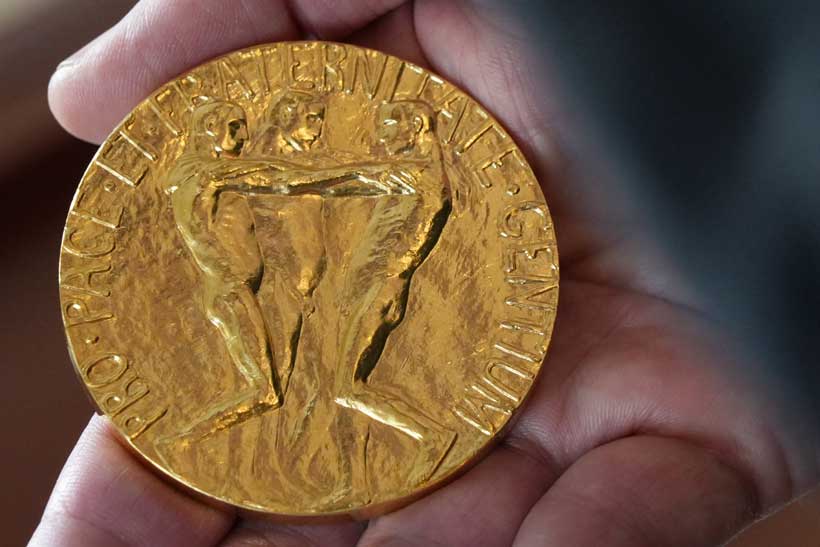
The 2026 Nobel Peace Prize is already carrying the weight of a turbulent world. The Norwegian Nobel Institute has confirmed that 287 candidates have been nominated this year, including 208 individuals and 79 organizations. That means nearly three out of four nominees are individuals. The total is lower than the 338 candidates recorded for 2025, but almost identical to the 286 names submitted in 2024. In statistical terms, the 2026 field shows a 15 percent drop from last year, yet no decline in the political intensity surrounding the prize.
The most discussed possible name is US President Donald Trump. A Reuters report says Trump is likely among the nominees, though the Nobel Committee cannot confirm it because nomination records remain confidential for 50 years. That secrecy is essential. Without it, the Peace Prize would become an annual political popularity contest. A nomination does not mean approval, endorsement, or shortlisting. It only means that one qualified nominator submitted a name before the deadline.
A nomination should not be treated as a trophy.
Trump’s supporters point to claims from Cambodia, Israel, and Pakistan, whose leaders have said they nominated or would recommend him. Their argument is simple: Trump helped push talks, truces, or de-escalation in volatile regions. But peace diplomacy must be judged by durability, not headlines. A ceasefire that collapses, a negotiation that excludes victims, or a diplomatic success followed by new military escalation cannot automatically become Nobel-worthy.
Stay ahead of the geopolitical week.
MD Briefing delivers expert analysis across five global fronts — the Indo-Pacific, energy, geoeconomics, European security, and the Middle East — every Monday morning. Free.
This is where the Nobel Committee must be stricter than public opinion. The prize’s own rules make clear that a wide range of people can nominate candidates, including parliamentarians, heads of state, professors, and former laureates. That openness is useful, but it also means nominations can be symbolic, partisan, or strategic. Alfred Nobel’s standard was higher, and the prize should honor work for fraternity between nations, reduction of standing armies, and peace congresses. By that test, the committee should ask not who attracted the most attention, but who reduced violence in a lasting and verifiable way.
The world makes the prize more urgent.
The global context is grim. The Uppsala Conflict Data Program recorded 61 state-based armed conflicts in 2024, the highest number since its data began in 1946. SIPRI says world military expenditure reached $2.887 trillion in 2025, rising for the 11th consecutive year. UNHCR reported 123.2 million forcibly displaced people by the end of 2024. These are not abstract figures. They are the background against which every 2026 Nobel candidate should be measured.
Other data deepens the point. The Global Peace Index 2025 found that 87 countries deteriorated in peacefulness while only 74 improved. The World Bank says 421 million people in conflict-affected or unstable economies are living on less than $3 a day. In such a world, the Peace Prize should not be used to flatter power. It should elevate people and institutions that reduce suffering.
Other possible candidates deserve serious attention.
Trump may dominate the media conversation, but he should not dominate the moral conversation. Possible names include Yulia Navalnaya, Pope Leo XIV, and Sudan’s Emergency Response Rooms, a volunteer network helping civilians survive war. Sudan’s crisis is especially relevant, and the OCHA Financial Tracking Service shows the 2026 humanitarian plan remains severely underfunded, while local volunteers continue to provide food, medical help, and basic services in dangerous conditions. Quiet civilian courage is often more faithful to Nobel’s vision than presidential diplomacy.
The committee will announce the 2026 laureate on October 9, and the ceremony will be held on December 10 in Oslo. Until then, Trump’s possible nomination will remain politically explosive but officially unverified. My view is clear that if Trump is nominated, the committee should neither dismiss nor reward him because of his name. It should judge evidence, consequences, and durability. The Nobel Peace Prize matters most when it resists spectacle and honors peace that survives beyond the news cycle.
