


The United States has reaffirmed its support for Taiwan, describing it as a “trusted and capable partner” amid rising geopolitical tensions with China.
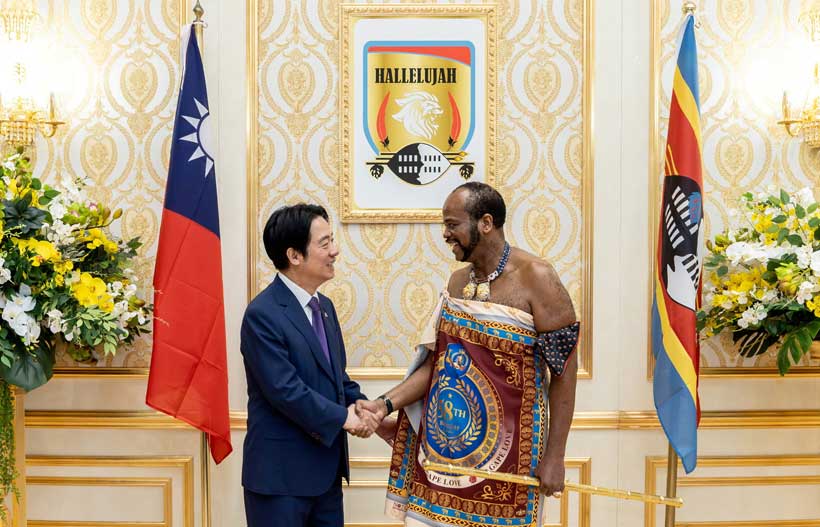
The statement came during a visit by Taiwanese President Lai Ching te to Eswatini, one of the few nations that maintain formal diplomatic ties with Taiwan.
China considers Taiwan part of its territory and opposes any official international engagement with the island, a stance strongly rejected by Taipei.
Lai’s Visit and Diplomatic Context
President Lai’s trip to Eswatini was described as routine by U.S. officials, noting that Taiwanese leaders regularly visit diplomatic allies. The visit follows reports that Chinese pressure led to earlier travel disruptions when several countries denied overflight access.
Stay ahead of the geopolitical week.
MD Briefing delivers expert analysis across five global fronts — the Indo-Pacific, energy, geoeconomics, European security, and the Middle East — every Monday morning. Free.
Eswatini remains Taiwan’s only formal diplomatic partner in Africa, making the visit symbolically and strategically significant.
US Position and Strategic Messaging
The U.S. State Department emphasized that Taiwan’s global partnerships bring tangible benefits to partner countries, including Eswatini. Washington continues to be Taiwan’s primary international supporter and a major supplier of defensive equipment.
By publicly endorsing Taiwan’s international engagement, the United States signaled its continued commitment despite Beijing’s objections.
China’s Reaction
China strongly condemned the visit, reiterating its position that Taiwan has no right to state to state relations. Chinese officials also warned that Taiwan remains the most sensitive issue in U.S.-China relations.
Senior Chinese diplomat Wang Yi described Taiwan as the “biggest point of risk” in ties with Washington, highlighting the potential for further escalation.
Support from Eswatini
During the visit, Mswati III expressed strong support for Taiwan, emphasizing the island’s exclusion from the United Nations and calling attention to its population’s lack of representation in global institutions.
The visit also marked the 40th anniversary of the king’s accession, adding ceremonial importance to the diplomatic engagement.
Analysis
The episode underscores the intensifying strategic rivalry between the United States and China, with Taiwan at its center. While the visit itself is routine in diplomatic terms, it carries heightened significance given the current geopolitical climate.
For Taiwan, maintaining and strengthening ties with remaining allies like Eswatini is crucial as its formal diplomatic recognition shrinks globally. For the United States, continued public support reinforces its broader Indo Pacific strategy.
However, such moves also risk further straining relations with China, where Taiwan remains a red line. As tensions persist, even symbolic diplomatic engagements are likely to carry outsized geopolitical consequences.
With information from Reuters.
