


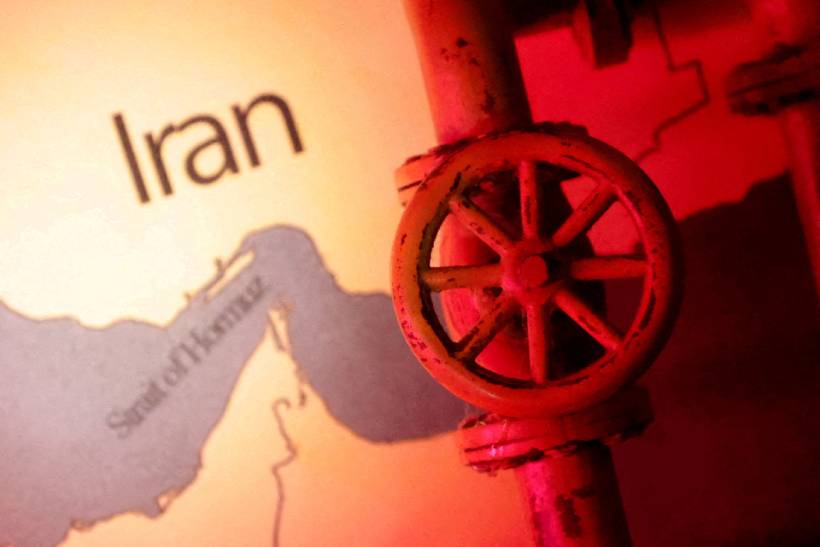
Tensions between the United States and Iran have sharply escalated just as a fragile ceasefire approaches its deadline. The US seizure of an Iranian cargo vessel near the Strait of Hormuz has triggered threats of retaliation from Tehran, raising doubts about whether the truce can survive beyond its scheduled expiry. At the same time, diplomatic efforts appear to be faltering, with Iran refusing to engage in a second round of talks under current conditions.
The Strait of Hormuz remains central to the crisis, carrying a significant share of global oil supplies. Any disruption there has immediate consequences for energy markets and global economic stability.
Escalation at Sea
The interception of the Iranian ship marks a direct and visible escalation. The US described the action as enforcement of its blockade, while Iran has labeled it armed piracy. Such confrontations increase the risk of miscalculation, where a single incident could spiral into broader military conflict.
Breakdown of Diplomacy
Iran’s rejection of further negotiations signals a widening gap between both sides. Tehran has linked its participation in talks to the lifting of economic restrictions, while Washington continues to apply pressure through sanctions and military posture. Mixed signals from US leadership about who will attend negotiations have also contributed to uncertainty.
Stay ahead of the geopolitical week.
MD Briefing delivers expert analysis across five global fronts — the Indo-Pacific, energy, geoeconomics, European security, and the Middle East — every Monday morning. Free.
Energy Markets in Shock
Oil prices have surged as traders react to the possibility of prolonged disruption in the Gulf. With the Strait of Hormuz under threat, even limited restrictions on shipping can significantly reduce supply, affecting economies far beyond the region.
Regional Risks
The conflict extends beyond US and Iran. Iran has warned it could target infrastructure in neighboring Gulf states if attacked, while ongoing military activity involving Israel and Lebanon adds another layer of instability. This creates a multi front risk environment with the potential for rapid escalation.
Analysis
The current situation reflects a classic pressure strategy meeting strategic resistance. The United States is attempting to force concessions through economic and military leverage, while Iran is signaling that it can impose costs in response. This dynamic reduces incentives for compromise in the short term.
The ceasefire appears less like a step toward peace and more like a temporary pause in a broader confrontation. Without mutual trust or clearly aligned objectives, negotiations risk becoming symbolic rather than substantive.
A key concern is the mismatch in expectations. Washington seems to favor a quick agreement, possibly for political or strategic optics, while Tehran is focused on long term guarantees around sanctions and sovereignty. This gap makes any immediate deal unlikely to hold.
If the ceasefire collapses, the consequences could extend well beyond the region. Energy markets would face sustained volatility, global trade routes could be disrupted, and diplomatic alignments may shift as major powers respond to the crisis.
With information from Reuters.
