


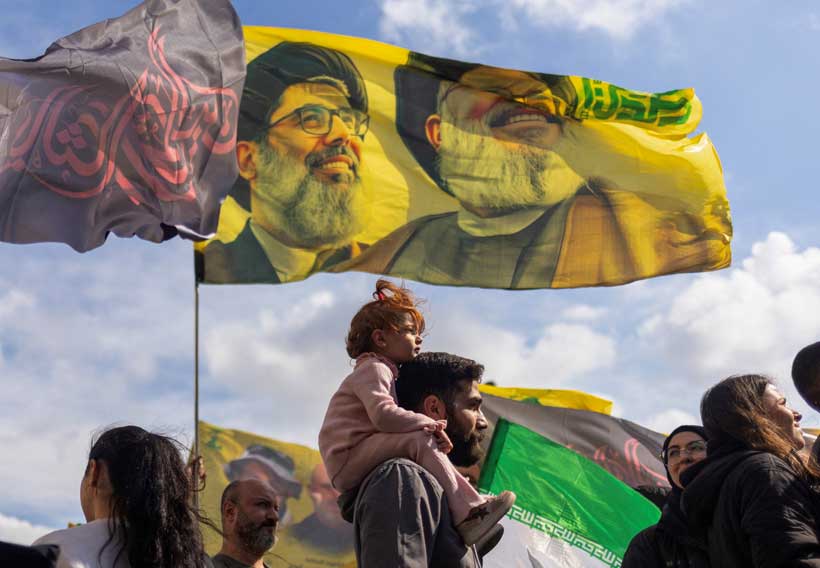
Residents displaced by weeks of conflict between Israel and Hezbollah have begun returning to parts of Lebanon following a 10-day ceasefire announced by Donald Trump. The war, which spilled over from the broader U.S.-Iran confrontation, caused widespread destruction, particularly in southern Lebanon and Beirut’s southern suburbs, displacing over a million people.
Cautious Returns Amid Devastation:
While some families have gone back to inspect their homes, many remain hesitant to resettle permanently. Entire neighborhoods lie in ruins, basic infrastructure is damaged, and living conditions are dire. For many, the return is temporary, driven more by necessity than confidence in lasting peace.
Fragile Ceasefire on the Ground:
Although the truce is largely holding, reports of violations, including shelling in southern لبنان, highlight its instability. The Lebanese army has urged civilians to delay returning to certain المناطق, underscoring fears that hostilities could quickly resume. The absence of mutual trust between the parties continues to threaten the ceasefire’s durability.
Military Positions and Security Demands:
Benjamin Netanyahu has signalled that Israeli forces will maintain a “security zone” in southern Lebanon, refusing to fully withdraw. Israel insists that Hezbollah must be dismantled to ensure long-term security, while Hezbollah maintains that continued Israeli presence justifies armed resistance. These opposing positions remain a major obstacle to a lasting settlement.
Stay ahead of the geopolitical week.
MD Briefing delivers expert analysis across five global fronts — the Indo-Pacific, energy, geoeconomics, European security, and the Middle East — every Monday morning. Free.
Humanitarian and Social Impact:
The conflict has inflicted heavy casualties and deepened humanitarian suffering. Large-scale displacement, destruction of homes, and disruption of livelihoods have left communities struggling to recover. Even where buildings remain intact, the psychological and material costs of war complicate any immediate return to normal life.
Diplomatic Efforts and Next Steps:
Washington is pushing for broader negotiations, with plans to bring Israeli and Lebanese leadership together for talks. The goal is to transition from a temporary ceasefire to a more durable agreement, though significant political and security challenges remain unresolved.
Analysis:
The partial return of civilians signals a momentary easing of tensions but not a resolution of the conflict. The ceasefire provides a narrow window for diplomacy, yet its fragility reflects deeper structural issues, including unresolved questions over Hezbollah’s role and Israel’s security strategy.
Without meaningful progress on these core disputes, the current calm risks becoming merely a pause in a recurring cycle of violence. The situation illustrates the limits of short-term ceasefires in addressing long-standing geopolitical and ideological conflicts. Sustainable peace will require not only political agreements but also rebuilding trust and addressing the underlying drivers of instability in the region.
With information from Reuters.
