


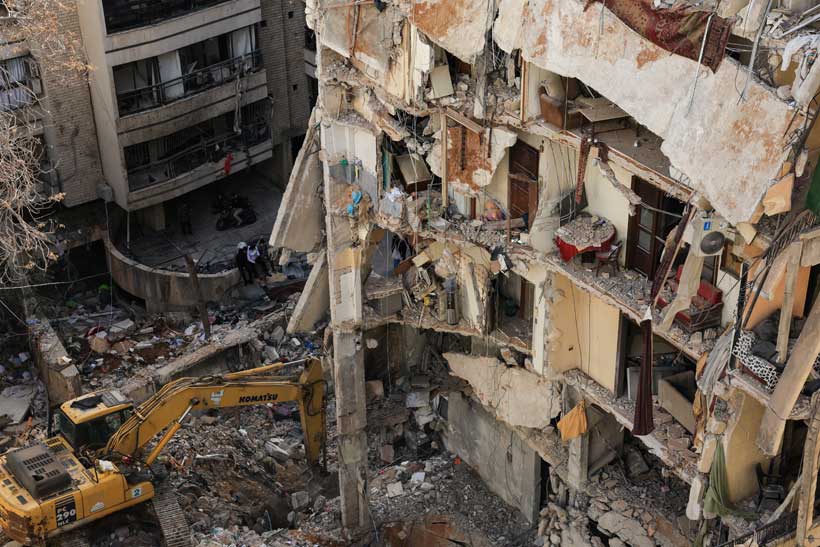
Right after the announcement, Kuwait got hit by 28 Iranian drone attacks. The UAE faced 35. Saudi Arabia’s east-west oil pipeline, a critical piece of its energy infrastructure, took a direct strike. A fire broke out at Abu Dhabi’s Habshan gas complex. Iran said it was retaliating for attacks on its Lavan Island oil refinery that happened after the ceasefire was supposed to start. No one claimed responsibility for those refinery strikes. Israel denied involvement. The US said nothing. Either way, the attacks kept coming.
This is what the morning after a Middle East ceasefire looks like. Not silence or relief. Just a slightly different kind of chaos, with everyone arguing about who violated what and the Strait of Hormuz technically open but charging ships tolls of over a million dollars per crossing. With Iran managing passage under its armed forces, upending decades of precedent treating the strait as an international waterway free to transit.
Two weeks of ceasefire was always going to be an easy promise. The hard part is everything that comes after it.
To read the full article, please subscribe here
Stay ahead of the geopolitical week.
MD Briefing delivers expert analysis across five global fronts — the Indo-Pacific, energy, geoeconomics, European security, and the Middle East — every Monday morning. Free.
