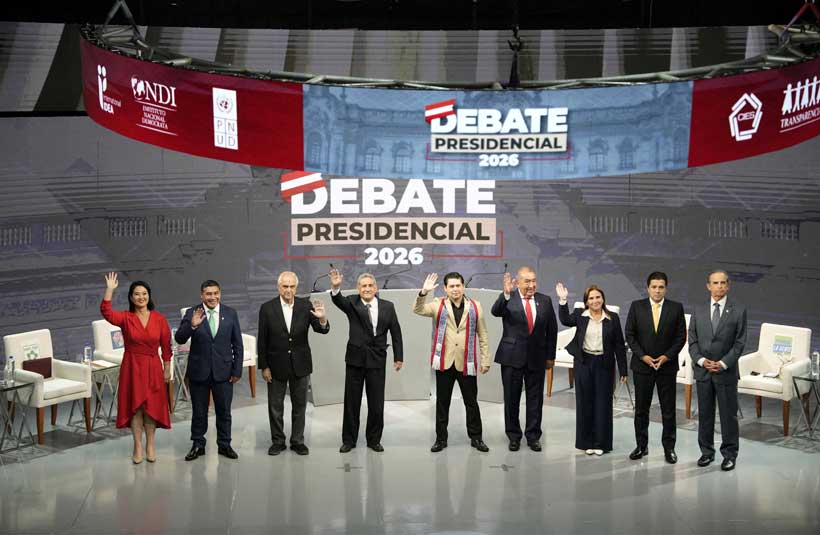
Peruvians will vote on April 12 for a new president and Congress members after a period of political instability, marked by eight presidents since 2018 due to impeachments and corruption scandals. A record number of candidates will participate in the first round, and if no one gets over 50% of the votes, the top two candidates will move to a runoff on June 7. Opinion polls suggest that a runoff is likely, with at least five of the 35 presidential candidates having a chance.
Keiko Fujimori, 50, is making her fourth attempt for the presidency. She has reached the runoff in her previous campaigns and leads the conservative People’s Force party. The daughter of former President Alberto Fujimori, she maintains a prominent role in Congress. Fujimori is pro-U. S. and advocates for foreign investment, presenting herself as a reliable partner for Washington. Her campaign focuses on a law-and-order message reminiscent of her father’s presidency in the 1990s. She has faced accusations of illegal campaign financing, but these were dismissed last year.
Rafael Lopez Aliaga, 65, known as ‘Porky,’ is a businessman and former mayor of Lima with links to the Popular Renewal party. Despite being a recognizable figure, recent polls indicate a decline in his support. He is against abortion and same-sex marriage and has strong ties to the mining sector. Lopez Aliaga has claimed to practice celibacy since age 19 and is known for his hardline political stance.
Carlos Alvarez, 62, is a comedian turned politician running for the center-right Country for All party. He aims to connect with voters’ frustration against the political class and supports capital punishment for certain crimes. Alvarez is seeking to mirror the political rise of Ukrainian President Zelenskiy. Surveys suggest he has gained recent voter support, although critics question his policy depth and the capability of his potential government team.
Alfonso Lopez Chau, 75, is an economist from the left-of-center Now Nation party and a former central bank board member. He has proposed creating a sovereign wealth fund and supports calls for a new constitution. He is under investigation for alleged embezzlement during his tenure as president of the National University of Engineering but denies the charges.
Jorge Nieto, 74, is a centrist candidate and a former defense and culture minister who resigned over a controversial pardon given to Alberto Fujimori. He promotes civil rights reforms but has not focused much on foreign policy.
Cesar Acuna, 71, leads the right-wing Alliance for Progress party and has faced multiple corruption allegations throughout his career, which he denies. He promises reforms in education and to reduce the number of government ministries.
Roberto Sanchez, a congressman from the left-leaning Together for Peru party, is emerging as a potential dark horse in the race. He advocates for a new constitution that would empower Indigenous communities and is linked to former President Pedro Castillo, who has publicly supported his candidacy from prison.
With information from Reuters