


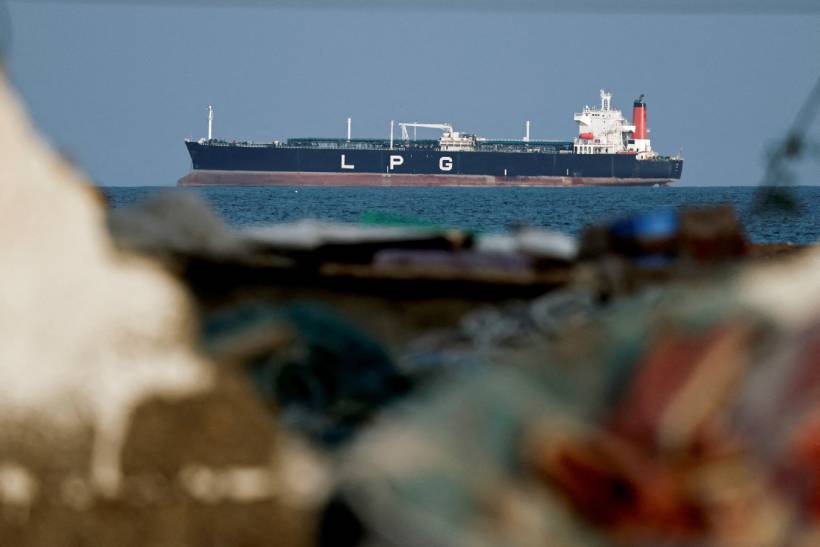
As diplomatic efforts to end the conflict between the United States and Iran continue, the United Arab Emirates has issued one of its clearest and most consequential positions yet any settlement must guarantee unrestricted access through the Strait of Hormuz. The statement reflects growing alarm among Gulf states that the crisis is no longer just a geopolitical confrontation but an existential economic and security challenge.
Background to the UAE Position
The ongoing war, now stretching over several weeks, has transformed the Strait of Hormuz into the central flashpoint of the conflict. Responsible for carrying roughly one fifth of global oil and gas supplies, the waterway is not merely a regional concern but a cornerstone of the global economy.
Iran’s disruption of shipping through the Strait, combined with missile and drone attacks across the Gulf, has triggered an energy shock and exposed the vulnerability of even the most economically resilient states. The United Arab Emirates, a major logistics and energy hub, has been among the most directly affected.
UAE’s Strategic Message
Anwar Gargash has articulated a firm stance that goes beyond immediate ceasefire demands. For Abu Dhabi, freedom of navigation through the Strait is non negotiable and must be embedded in any final agreement.
Stay ahead of the geopolitical week.
MD Briefing delivers expert analysis across five global fronts — the Indo-Pacific, energy, geoeconomics, European security, and the Middle East — every Monday morning. Free.
This position signals a shift from short term crisis management toward a longer term security framework. The UAE is effectively rejecting any deal that pauses hostilities without addressing structural threats, particularly Iran’s nuclear ambitions and its expanding missile and drone capabilities.
By framing the Strait as a global economic imperative rather than a regional bargaining chip, the UAE is also internationalizing the issue, seeking broader support for ensuring maritime security.
Beyond a Temporary Ceasefire
A key concern raised by the UAE is the risk of a superficial settlement. While the prospect of a ceasefire between Washington and Tehran has raised hopes in global markets, Gulf leaders fear that an agreement lacking depth could create a more dangerous environment in the long run.
From Abu Dhabi’s perspective, unresolved issues such as Iran’s military capabilities and regional influence networks would continue to generate instability, potentially leading to recurring crises. This reflects a broader skepticism among Gulf states toward partial agreements that fail to address root causes.
Regional Security Realignment
The conflict is accelerating a strategic realignment across the Gulf. According to Gargash, Iran’s actions are likely to strengthen security ties between Gulf states and the United States rather than weaken them.
This dynamic runs counter to Tehran’s apparent strategy of raising costs for US allies in the region to pressure Washington into de escalation. Instead, sustained attacks on energy infrastructure and shipping lanes are pushing Gulf countries closer to the US security umbrella and increasing openness to deeper coordination with Israel.
The UAE has signaled its willingness to participate in any US led international initiative to secure maritime routes, underscoring its commitment to collective security mechanisms.
The Worst Case Scenario Realized
Gargash’s remarks highlight a significant psychological shift. What was once considered an unlikely worst case scenario a direct and sustained Iranian confrontation with Gulf states is now unfolding in real time.
Despite this, the UAE is projecting resilience, emphasizing its economic strength and capacity to recover. This dual narrative of vulnerability and confidence is aimed at reassuring both domestic and international audiences while maintaining pressure for a robust resolution.
Trump’s Pressure Strategy
Meanwhile, Donald Trump has intensified pressure on Tehran, threatening further strikes on critical infrastructure if Iran fails to reopen the Strait. His approach reinforces a coercive diplomatic strategy that seeks rapid concessions but also risks escalating the conflict further.
For Gulf states like the UAE, this creates a delicate balancing act supporting US security leadership while avoiding a level of escalation that could cause irreversible regional damage.
Analysis
The UAE’s intervention marks a pivotal moment in the conflict’s diplomatic trajectory. By explicitly linking any peace agreement to guaranteed access through the Strait of Hormuz, Abu Dhabi is attempting to shape the terms of negotiation rather than merely respond to them.
This reflects a broader evolution in Gulf foreign policy from cautious balancing between Iran and the United States to a more assertive stance driven by immediate security threats.
At the heart of this position is a recognition that economic security and national security are now inseparable. The weaponization of energy routes has fundamentally altered the strategic calculus, making maritime access a red line for both regional and global actors.
Iran’s strategy of leveraging disruption to gain negotiating power may yield short term advantages, but it is simultaneously eroding trust and reinforcing alliances against it. The longer this dynamic continues, the more entrenched regional polarization is likely to become.
Ultimately, the UAE’s message is clear a sustainable peace cannot be built on temporary fixes. Without firm guarantees on navigation, containment of military capabilities and a broader security framework, any agreement risks setting the stage for an even more volatile Middle East.
with information from Reuters
