


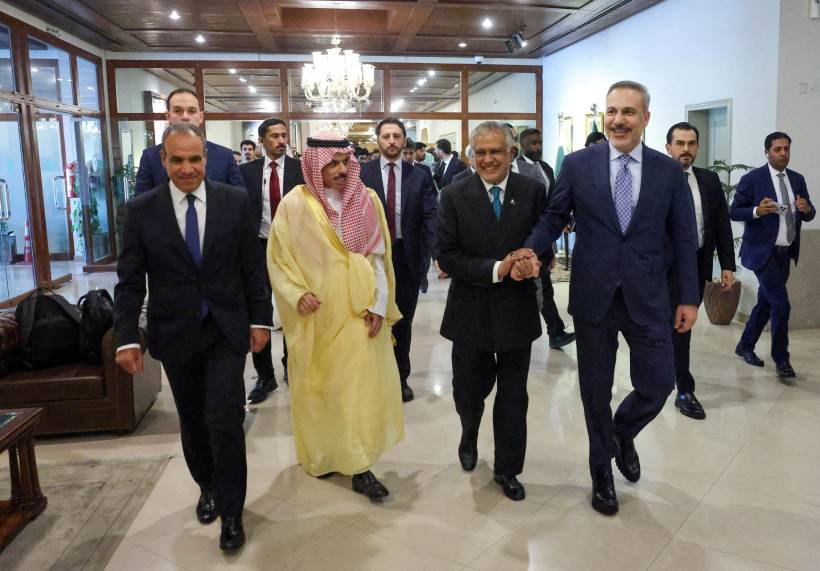
A year ago, Pakistan was widely seen as a diplomatic outcast. Today, it has emerged as a trusted regional partner and a key mediator between the U.S. and Iran, helping to manage the ongoing Middle East conflict. This remarkable turnaround is largely credited to Pakistan’s military chief, Field Marshal Asim Munir, whose personal diplomacy has played a pivotal role in restoring Pakistan’s credibility on the global stage.
Building Credibility Through Diplomacy and Security Cooperation
Munir has held several high-profile meetings with U.S. President Donald Trump, including a historic one-on-one lunch at the White House. Pakistan has also captured and handed over to the U.S. an Islamic State bomber accused of killing American troops. Diplomats have launched an extensive outreach program with world leaders, while consolidating strategic ties with China.
Arsla Jawaid, a global risk analyst, described Pakistan’s efforts as a “charm offensive,” balancing relations between the U.S. and China while pursuing a diversified foreign policy. These initiatives are beginning to show tangible results, signaling a restoration of international trust.
Stay ahead of the geopolitical week.
MD Briefing delivers expert analysis across five global fronts — the Indo-Pacific, energy, geoeconomics, European security, and the Middle East — every Monday morning. Free.
Historical Context of U.S.-Pakistan Relations
Relations with the U.S. plunged after the 2011 killing of Osama bin Laden in Pakistan. Accusations from Washington that Pakistan covertly supported the Taliban during the Afghan war further strained ties. Economically, Pakistan had teetered on the brink of debt default before reaching a new deal with the IMF roughly 18 months ago.
Analysts cite two turning points in rebuilding trust with Washington. In March last year, Pakistan helped capture a suspect linked to the 2021 Kabul airport bombing, earning public praise from Trump and renewed intelligence collaboration. In May, restraint during a 90-hour conflict with India showcased Pakistan’s measured military approach, enhancing its diplomatic credibility.
Levers of Power: Civil-Military Coordination
Even under civilian governments, Pakistan’s military holds significant influence over policy. Munir’s unprecedented visit to the White House, without civilian officials, underscored U.S. recognition of this reality. Analysts credit Pakistan’s diplomatic success to the close cooperation between Munir and Prime Minister Shehbaz Sharif. Frequent engagement with world leaders, almost daily communications, and proactive diplomacy have positioned Pakistan as a credible mediator in the Iran war.
Engagement with Global Powers
Pakistan’s civil and military leadership has deepened ties with the U.S., including discussions on investments, a crypto deal linked to the Trump family, and Middle East security. Munir, dubbed Trump’s “favourite field marshal,” represented Pakistan at the World Economic Forum in Davos, while Sharif engaged with Trump, Saudi Crown Prince Mohammed bin Salman, and Iranian President Masoud Pezeshkian. Pakistan also signed a mutual defence agreement with Saudi Arabia, further solidifying its regional influence.
Challenges and Regional Tensions
Pakistan’s rising diplomatic profile is causing unease in India, which traditionally held a stronger international standing. Opposition leaders argue that Pakistan, along with Egypt and Turkey, has taken the lead in mediation efforts that India could have pursued.
Domestically, Pakistan’s economy remains fragile, and its defence pact with Saudi Arabia risks entangling the country further in regional conflicts. Rising protests from the Shi’ite community and tensions in neighbouring Afghanistan add to the complexity. Analysts emphasize the need for Pakistan to strengthen its economic and defence structures while managing its relationships with Iran, Saudi Arabia, and the U.S. carefully.
Strategic Outlook
Experts warn that overplaying Pakistan’s mediator role could backfire if not handled astutely. The country must balance its regional influence with internal stability and economic resilience. Building a long-term defence-industrial partnership with Saudi Arabia and Turkey could enhance strategic depth, but Islamabad’s civil-military leadership must navigate the geopolitical landscape carefully to avoid overcommitment in a potentially prolonged Middle East conflict.
With information from Reuters.
