Iran’s airstrikes on Gulf states may lead these countries to form a stronger coalition with the United States and escalate the conflict with Iran, according to Middle East analysts. The strikes targeted critical economic areas in response to U. S. and Israeli actions against Iran. Analysts suggest that Iran’s intention was to pressure Gulf states into pushing U. S. President Donald Trump to cease military actions, but this may have backfired, aligning Gulf states more closely with the U. S.
Gulf states are confronting tough decisions: to openly support the U. S. military efforts or face increased risks of conflict on their territory. Abdulaziz Sager, from the Gulf Research Center, noted that Iran’s missile attacks have pushed these states, which were previously cautious, to ally more directly with the U. S. as defensive measures become necessary.
One catalyst for Iran’s attacks was the killing of Supreme Leader Ali Khamenei. This occurred alongside U. S. and Israeli airstrikes intended to curb Iran’s nuclear weapons development. In response, the Gulf Cooperation Council (GCC), which includes Saudi Arabia, the UAE, Qatar, Bahrain, Kuwait, and Oman, convened an emergency meeting, emphasizing their readiness for collective defense as they face security threats and energy disruptions.
The GCC firmly stated that Iran’s strikes have united the Gulf states and warned that further attacks could escalate to broader military responses. They activated joint air-defense systems and are conducting reconnaissance flights in the region. Officials have communicated threats to Iran regarding the severe consequences of continued attacks.
As the situation develops, Gulf insiders express uncertainty about who is leading Iran’s military actions. It remains unclear whether attacks are being strategically directed or carried out by independent factions. Potential outcomes suggest either a breakdown in command or continued coordination at a high level.
The situation has broader implications beyond the Gulf. Key oil exports and shipping routes are at risk, threatening global energy markets and trade stability. If attacks persist, leading to prolonged conflicts or disruptions, it may compel other nations to intervene due to the global impact.
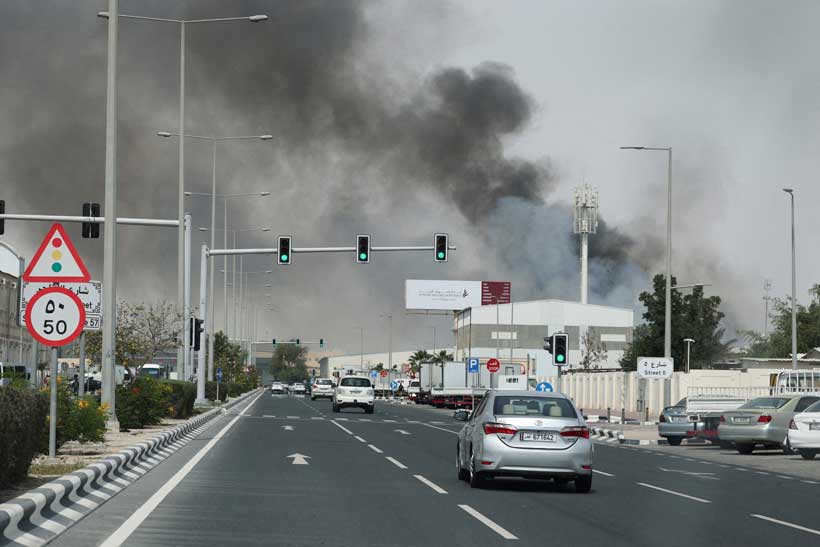
Analysts note that Iranian strikes have led to significant disruptions, such as the shutdown of major energy facilities, affecting around 20% of the world’s LNG supply. The logic for a wider coalition against Iran has strengthened, particularly as the UAE characterizes the strikes as acts of terrorism. As Iran continues these attacks, it risks pushing the Gulf states deeper into opposition.
Strikes on Western-related sites raise the possibility of NATO becoming involved in the conflict. The UAE has particularly suffered from Iran’s aggression, with many strikes aimed at its critical infrastructure. In response, the UAE has taken diplomatic measures, including summoning Iran’s ambassador and closing its embassy in Tehran while raising concerns in the U. N.
Gulf officials argue that Iran’s extensive missile attacks have changed the diplomatic environment, complicating negotiations with the U. S. regarding Iran’s missile program. This perspective is now shared by Gulf Arab neighbors and Western powers, indicating a significant shift in regional dynamics.
With information from Reuters