


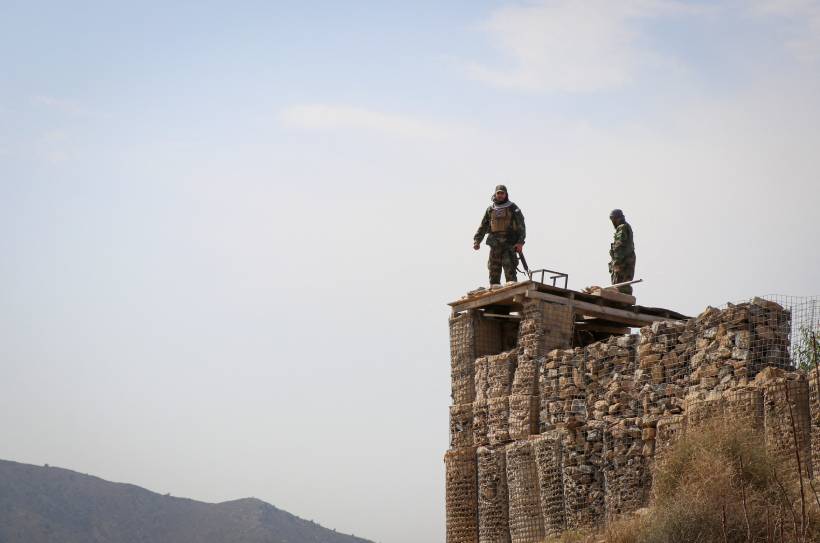
At least 42 civilians have been killed and 104 wounded in cross-border fighting between Afghanistan and Pakistan from February 26 to March 2, according to the United Nations Assistance Mission in Afghanistan. The figures, described as preliminary, come as the conflict entered its sixth day, marking the worst flare-up between the two neighbors in years.
The violence reportedly includes casualties from indirect cross-border fire and airstrikes. Afghanistan’s Taliban authorities say the fighting was triggered by retaliatory strikes on Pakistani installations after Islamabad targeted militants inside Afghan territory. Pakistan denies hitting civilians and says it acted against militant groups launching attacks from across the border.
Escalation on the Ground
Afghanistan claims it has captured additional Pakistani positions in the Kandahar region, while Pakistani security sources say they destroyed a Taliban military base in Nangarhar province through air operations. Both sides report heavy military losses inflicted on the other, though casualty figures remain unverified.
Stay ahead of the geopolitical week.
MD Briefing delivers expert analysis across five global fronts — the Indo-Pacific, energy, geoeconomics, European security, and the Middle East — every Monday morning. Free.
Pakistani President Asif Ali Zardari told parliament that Pakistan would not allow its territory or neighboring soil to be used to destabilize the country, signaling continued resolve to strike militant sanctuaries.
Humanitarian Fallout
UNAMA has called for an immediate halt to the fighting, warning that escalating violence has displaced around 16,400 households. The conflict compounds an already fragile humanitarian situation in Afghanistan, where communities are still recovering from deadly earthquakes in recent months.
Movement restrictions along the border have hampered aid delivery, limiting humanitarian agencies’ ability to provide life-saving assistance in affected areas.
Why It Matters
The clashes threaten to destabilize an already volatile frontier between two nuclear-armed South Asian states. Pakistan has long accused Afghanistan’s Taliban leadership of harboring militant groups responsible for attacks inside Pakistan a charge Kabul denies.
Sustained escalation risks deepening regional insecurity, worsening Afghanistan’s humanitarian crisis, and drawing in broader geopolitical attention at a time when global focus is already divided by conflicts elsewhere.
What’s Next
Much depends on whether backchannel diplomacy or regional mediation efforts can contain the violence. Without de-escalation, continued airstrikes and cross-border shelling could entrench hostilities, displace more civilians, and further strain already fragile state institutions on both sides of the border.
With information from Reuters.
