


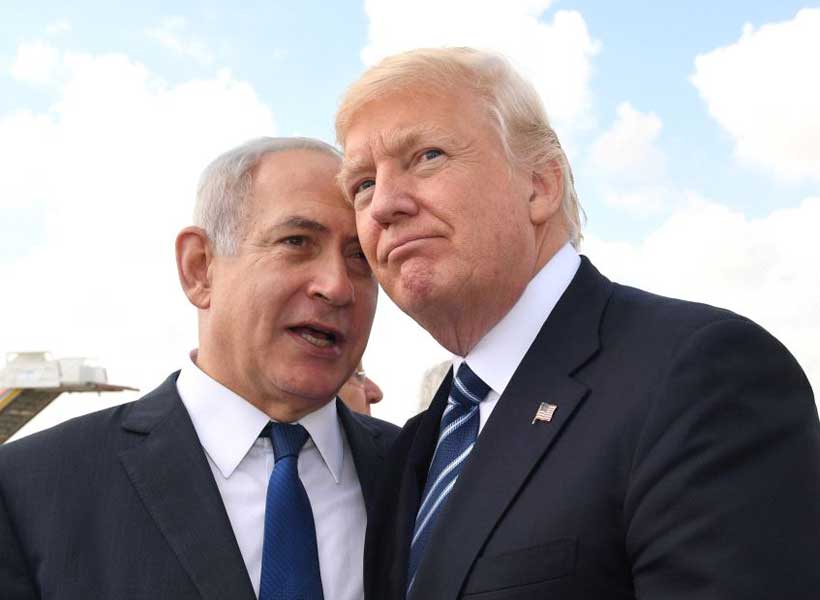
U.S. President Donald Trump will host Israeli Prime Minister Benjamin Netanyahu at the White House on Wednesday, with Iran diplomacy expected to dominate discussions. The meeting comes amid renewed U.S.-Iran nuclear negotiations and heightened tensions across the Middle East.
This will be Netanyahu’s seventh meeting with Trump since the president returned to office nearly 13 months ago, underscoring the close coordination between the two leaders. However, the talks also carry the potential for friction, particularly over the scope of U.S. negotiations with Tehran and the future of Gaza.
Israel Pushes to Broaden Iran Talks
Netanyahu is expected to press Trump to widen ongoing U.S. discussions with Iran beyond the nuclear file to include Tehran’s ballistic missile program and its support for regional proxy groups such as Hamas and Hezbollah. Israeli officials fear Washington could pursue a limited nuclear deal that leaves intact what Israel views as Iran’s broader strategic threat.
Speaking before departing for Washington, Netanyahu said he would present Israel’s perspective on the “principles in the negotiations.” Israeli sources indicate that the two leaders may also discuss potential military options should diplomacy collapse.
Stay ahead of the geopolitical week.
MD Briefing delivers expert analysis across five global fronts — the Indo-Pacific, energy, geoeconomics, European security, and the Middle East — every Monday morning. Free.
Last week’s nuclear talks in Oman were described by both Washington and Tehran as constructive, with further discussions anticipated. However, Iran has stated that negotiations remain confined to nuclear issues and has ruled out restrictions on its missile capabilities.
Trump’s Position and Military Signals
Trump has reiterated that any acceptable agreement must ensure Iran has “no nuclear weapons,” and has also referenced missiles in recent interviews, though without detailing specific demands. He warned that the United States would take “something very tough” action if Tehran refuses a deal.
In parallel, Trump is reportedly considering deploying a second aircraft carrier strike group to the region, part of a broader military buildup near Iran. The United States previously joined Israeli strikes on Iranian nuclear facilities during a 12-day conflict last June, which significantly damaged Iran’s air defenses and missile systems.
Despite these setbacks, Israeli officials believe Tehran is attempting to restore key capabilities, raising concerns in Jerusalem about a weakened but rebuilding adversary.
Gaza and Regional Security
Gaza is also expected to feature prominently in the discussions. Trump has been pushing forward a 20-point ceasefire and reconstruction plan aimed at ending the war and stabilizing the Palestinian enclave. However, progress has stalled amid disagreements over complex provisions, including the phased withdrawal of Israeli forces and the disarmament of Hamas.
The White House has emphasized continued coordination with Israel to advance what it describes as a “historic” peace initiative. Still, elements of Trump’s broader vision including the prospect of eventual Palestinian statehood diverge from Netanyahu’s long-standing opposition to such a move.
Recent steps by Israel’s security cabinet to facilitate land purchases by settlers in the occupied West Bank have drawn international condemnation. Trump has publicly reiterated his opposition to annexation, signaling a possible area of tension between the allies.
Strategic Context
Iran’s regional influence has been weakened over the past year by Israeli military actions and setbacks suffered by its allied groups across Gaza, Lebanon, Yemen and Iraq, as well as the removal of Syrian President Bashar al-Assad. Yet Israel remains wary of Tehran’s capacity to regroup and rearm.
For Trump, the challenge lies in balancing diplomatic engagement with deterrence, while maintaining alignment with Israel’s security priorities. For Netanyahu, the visit offers an opportunity to shape U.S. strategy at a critical juncture in negotiations that could redefine the regional balance of power.
The White House meeting will test whether Washington and Jerusalem remain fully aligned on Iran or whether differences over the scope of diplomacy and the future of Palestinian statehood begin to surface more openly.
With information from Reuters.
