


NEWS BRIEF
Pakistan has finalized a massive arms deal valued between $4–$4.6 billion to supply the Libyan National Army with fighter jets, trainer aircraft, and other military equipment, according to officials, despite a standing U.N. arms embargo on Libya. The agreement, struck during a meeting between Pakistan’s military chief and the deputy commander of the LNA in Benghazi, marks a significant expansion of Islamabad’s defense exports into a conflict-torn region where foreign powers continue to fuel a protracted civil war.
WHAT HAPPENED
- Pakistan has agreed to sell over $4 billion worth of military equipment to Libya’s eastern-based Libyan National Army, led by Saddam Haftar.
- The deal includes JF-17 multirole fighter jets co-developed with China, Super Mushak trainer aircraft, and other land, sea, and air equipment.
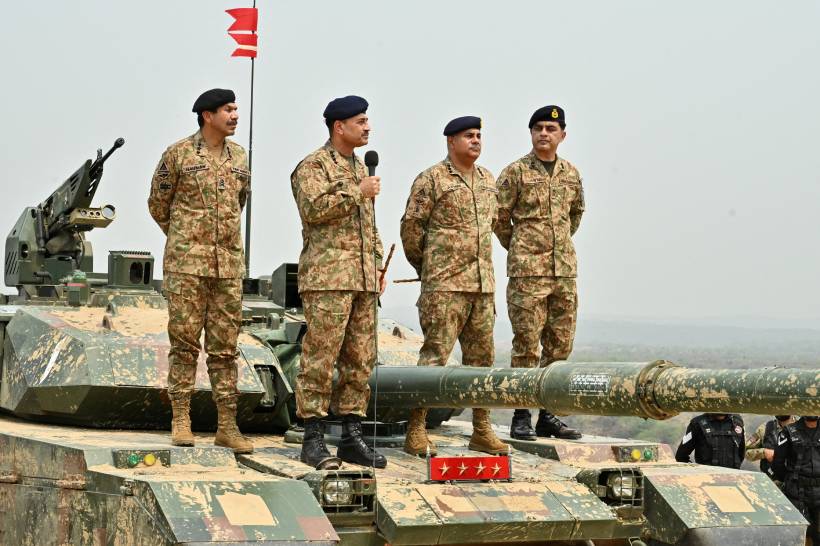
- The agreement follows a meeting in Benghazi between Pakistan’s military chief, Field Marshal Asim Munir, and Haftar, and was announced on LNA-affiliated media.
- The sale proceeds despite a U.N. arms embargo imposed on Libya in 2011, which remains in place but has been repeatedly violated by external actors.
WHY IT MATTERS
- The deal represents one of Pakistan’s largest-ever weapons exports, advancing Islamabad’s ambition to become a major player in the global arms market.
- It openly challenges the U.N. arms embargo, further militarizing Libya’s civil conflict and undermining international efforts to foster political reconciliation.
- Supplying the LNA directly impacts the balance of power in Libya, strengthening Haftar’s faction against the U.N.-recognized government in Tripoli.
- Pakistan’s entry into the North African arms trade signals its willingness to engage in high-risk, high-reward geopolitical deals outside traditional alliances.
IMPLICATIONS
- The sale could draw scrutiny from the U.N. Security Council and worsen Pakistan’s relations with Western allies who support the Tripoli-based government.
- It may encourage other arms exporters to more openly disregard the embargo, accelerating a regional arms race and prolonging Libya’s instability.
- Pakistan’s deepening defense ties with Gulf partners like Saudi Arabia may be leveraged to facilitate or finance the Libyan deal, further entangling regional proxies.
- The deal strengthens China’s indirect influence in Libya through the JF-17 platform, expanding Beijing’s strategic footprint in North Africa.
This briefing is based on information from Reuters.
