


NEWS BRIEF
Portugal’s first general strike in over a decade has brought transport to a standstill, grounded hundreds of flights, and closed schools as unions protest a government labour reform bill they say favours employers over workers. The centre-right government, which downplayed the strike’s impact, insists the changes are necessary to boost productivity in a strong economy with low unemployment.
WHAT HAPPENED
- Portugal’s largest unions CGTP and UGT called a nationwide general strike, the first since 2013, against proposed labour reforms affecting over 100 labour-code articles.
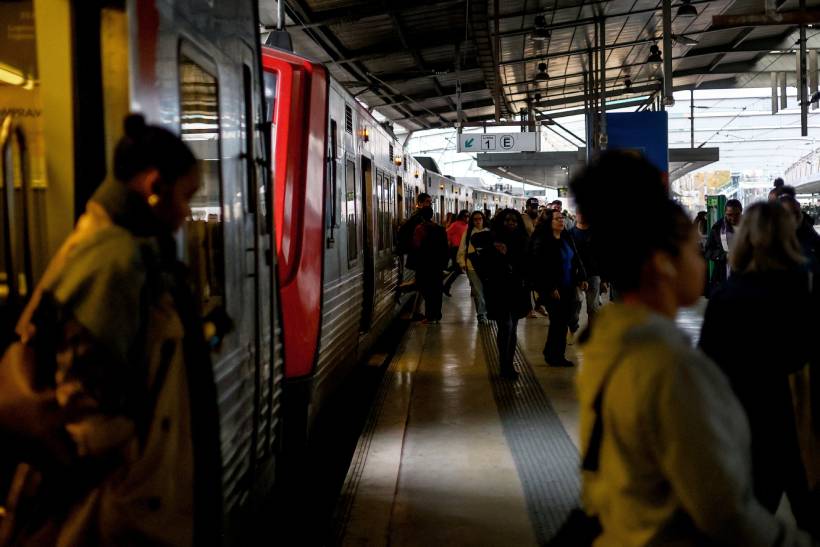
- Train services halted, hundreds of flights were cancelled, schools closed, and hospitals postponed non-emergency procedures, though minimum services were maintained in some sectors.
- The government minimized the strike’s impact, claiming it was largely a public-sector action, while unions cited walkouts at major private employers like Volkswagen’s Autoeuropa plant.
- The reforms, expected to pass with far-right Chega party support, include easing dismissals in small businesses, lifting outsourcing limits, and capping flexible-work rights for breastfeeding mothers.
WHY IT MATTERS
- The strike reflects deep social divisions over economic policy in a country still shaped by the memory of post-bailout austerity measures from a decade ago.
- It tests the minority government’s ability to implement controversial reforms despite widespread union opposition and public skepticism.
- The labour battle highlights tensions between Portugal’s strong macroeconomic performance and worker demands for greater job security and rights protections.
- The government’s reliance on far-right support for the bill raises questions about political realignment and the normalization of Chega’s role in policymaking.
IMPLICATIONS
- Sustained union opposition could weaken the government’s legislative agenda and potentially trigger early elections.
- Prolonged labour unrest may undermine Portugal’s reputation as a stable destination for foreign investment, particularly in manufacturing.
- The dispute risks widening generational and contractual divides between permanent and precarious workers.
- Portugal’s labour struggle mirrors broader EU debates over flexicurity models and worker protections in competitive global markets.
This briefing is based on information from Reuters.
