


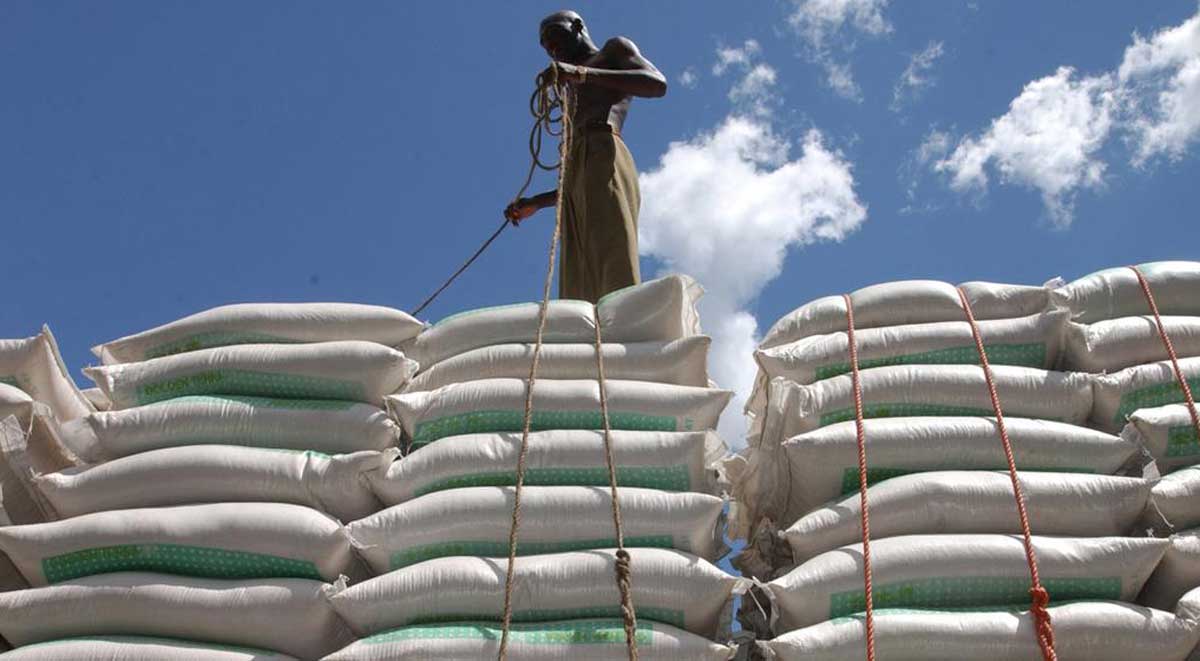
Global food commodity prices fell for the third consecutive month in November, according to the United Nations’ Food and Agriculture Organization (FAO). The FAO Food Price Index, which tracks a basket of globally traded food commodities, averaged 125.1 points in November, down from a revised 126.6 in October and the lowest level since January 2025. The November index was also 2.1% lower than a year earlier and 21.9% below its peak in March 2022 following Russia’s invasion of Ukraine.
Why It Matters
Falling food prices can ease pressure on global consumers, particularly in low- and middle-income countries, where food often accounts for a significant portion of household spending. The decline also signals improving supply conditions for many staples, helping to stabilize inflation in global food markets. However, continued price volatility in cereals, especially wheat and maize, highlights ongoing risks from geopolitical tensions and weather disruptions.
Key Trends by Commodity
Sugar prices fell 5.9%, reaching their lowest since December 2020, due to expectations of ample global supply. Dairy prices dropped 3.1% for the fifth consecutive month, reflecting increased milk production and export availability. Vegetable oil prices fell 2.6% to a five-month low, as declines in palm oil outweighed gains in soyoil. Meat prices decreased 0.8%, led by pork and poultry, while beef prices stabilized after the removal of U.S. tariffs on imports.
In contrast, cereal prices rose 1.8% month-on-month. Wheat prices were boosted by potential demand from China and ongoing geopolitical tensions in the Black Sea, while maize prices benefited from strong Brazilian export demand and reports of adverse weather affecting field work in South America.
Stay ahead of the geopolitical week.
MD Briefing delivers expert analysis across five global fronts — the Indo-Pacific, energy, geoeconomics, European security, and the Middle East — every Monday morning. Free.
Supply and Stock Outlook
The FAO revised its global cereal production forecast for 2025 upward to a record 3.003 billion metric tons, up from 2.990 billion tons projected last month, largely due to higher wheat output estimates. Forecasts for world cereal stocks at the end of the 2025/26 season were also raised to a record 925.5 million tons, reflecting expanded wheat stocks in China and India and higher coarse grain stocks in exporting countries.
With information from Reuters.
