


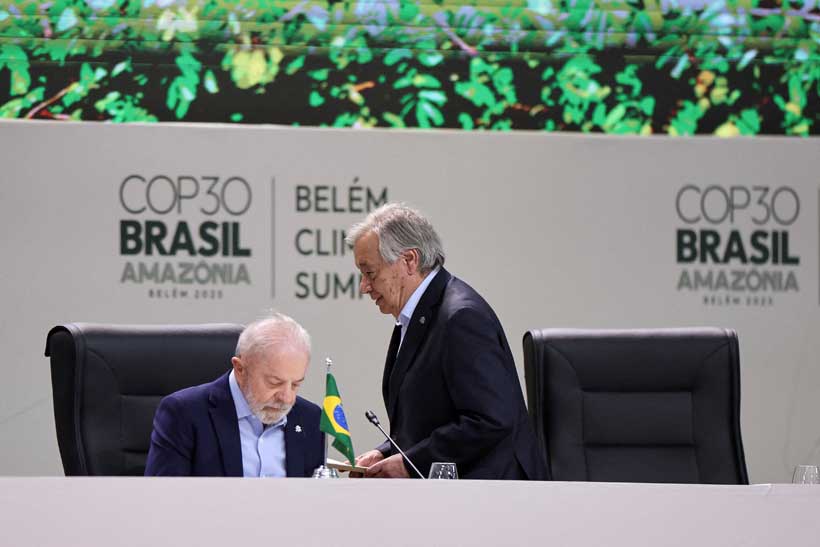
COP30, the United Nations climate summit, opened on Monday in Brazil’s Amazon city of Belem, bringing together representatives from more than 190 countries. The agenda for the two-week summit remains unclear, with questions over whether nations will aim to negotiate a final agreement or focus on smaller, consensus-free actions. The summit follows a year of political friction globally, including U.S. efforts to slow the transition from fossil fuels, and ongoing challenges for the European Union in balancing energy security with climate ambitions. China’s growing influence in climate solutions, particularly through affordable green technologies, is emerging as a significant factor in shaping the discussions.
Why It Matters
COP30 is critical for advancing global climate action, especially in addressing emissions reductions, energy transitions, and funding for climate adaptation. The summit also coincides with urgent warnings from scientists about the destabilization of the world’s cryosphere, highlighting the pressing need for international cooperation.
Indigenous leaders have drawn attention to the direct impact of climate change on their territories, emphasizing the need for greater protection and inclusion in decision-making. Decisions made or left unresolved at COP30 could influence the trajectory of global climate policies and the implementation of commitments made under the Paris Agreement.
Key stakeholders include the governments of the participating countries, led by COP30 President Andre Correa do Lago and host President Luis Inacio Lula da Silva of Brazil. Indigenous leaders, such as Pablo Inuma Flores from Peru, are advocating for the rights and protection of their communities against the impacts of climate change and extractive industries.
Stay ahead of the geopolitical week.
MD Briefing delivers expert analysis across five global fronts — the Indo-Pacific, energy, geoeconomics, European security, and the Middle East — every Monday morning. Free.
Other major players include China, the United States, the European Union, and developing countries, which are pushing for solutions and technology access for agriculture and climate adaptation. Scientists and research institutions worldwide are also influencing the summit by highlighting critical environmental challenges.
What’s Next
The immediate task for COP30 delegates is to vote on the summit agenda, which has been the subject of months-long negotiations. Countries are expected to submit updated climate plans, including emissions reduction commitments and strategies to address agriculture-related emissions. Talks will also focus on financial mechanisms to support climate adaptation, with hopes that development banks and private-sector funding can be mobilized. Indigenous leaders will continue to push for greater influence over decisions affecting their territories, while the outcomes of COP30 remain uncertain in the face of geopolitical tensions and competing national interests.
With information from Reuters.
