


Indian Prime Minister Narendra Modi will attend the upcoming ASEAN summit in Kuala Lumpur virtually, confirming that he will not meet U.S. President Donald Trump in person. The decision comes amid ongoing negotiations between Washington and New Delhi over a trade deal that has been delayed by disagreements over tariffs and India’s continued import of Russian oil.
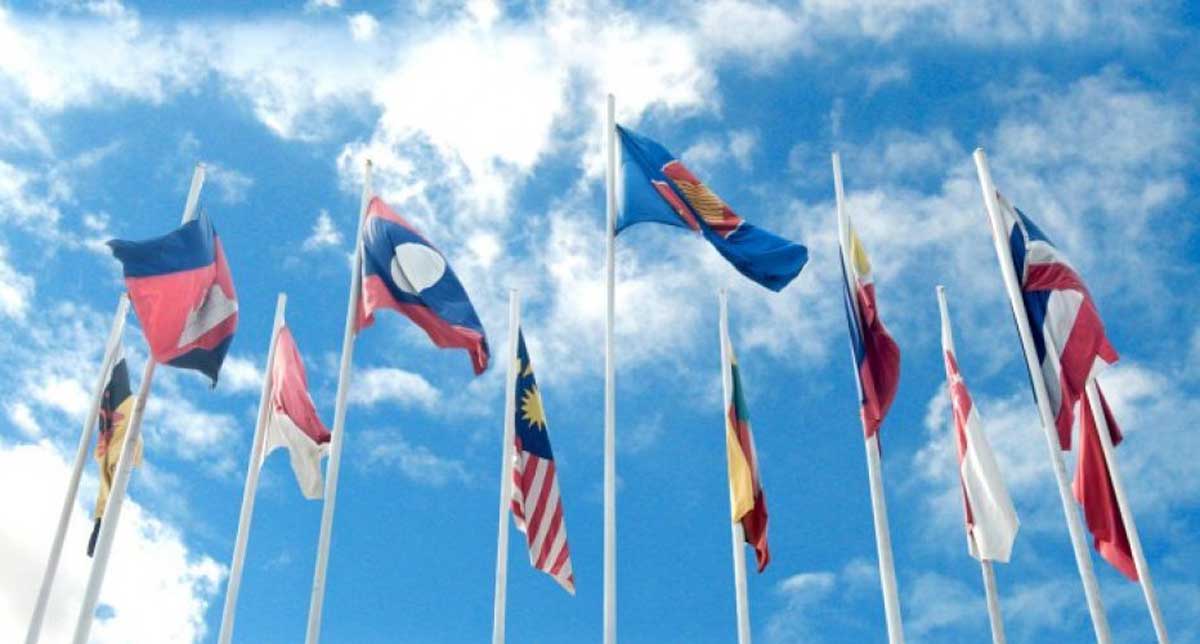
The summit, which runs from October 26 to 28, will host the 10 ASEAN member states alongside key global partners such as China, Japan, and the United States. Malaysian Prime Minister Anwar Ibrahim said Modi’s decision was due to Deepavali celebrations in India, though observers note it also sidesteps a politically sensitive in-person encounter with Trump.
Why It Matters
Modi’s virtual participation reflects the cautious tone in India-U.S. relations as both nations navigate complex trade and geopolitical tensions. Despite months of talks, the two sides have struggled to finalize a trade deal, with Washington imposing a punitive 25% tariff on Indian exports in August raising total levies to 50%. While both leaders recently discussed trade by phone, the absence of direct talks at the ASEAN summit indicates lingering disagreements, especially over energy cooperation and agricultural access. The development also highlights New Delhi’s balancing act pursuing closer economic ties with ASEAN and the U.S. while maintaining strategic autonomy, including energy imports from Russia.
For India, the summit offers a chance to reaffirm its growing role in Southeast Asia through the ASEAN-India Comprehensive Strategic Partnership, even without Modi’s physical presence. For the United States, the stalled trade discussions come as Trump’s administration pursues a tougher stance on countries maintaining business with Russia. Meanwhile, ASEAN nations are watching closely, as India’s engagement with the bloc is seen as crucial to counterbalancing China’s regional influence. Malaysia, as the host, stands to gain diplomatically by facilitating high-level exchanges even amid competing global priorities.
Stay ahead of the geopolitical week.
MD Briefing delivers expert analysis across five global fronts — the Indo-Pacific, energy, geoeconomics, European security, and the Middle East — every Monday morning. Free.
What’s Next
Although a Modi-Trump meeting is now off the table, negotiations over the trade deal are expected to continue in the coming weeks. Reports from Indian media suggest that both sides are nearing an agreement to reduce tariffs to around 15–16%, pending progress on energy and agriculture. The ASEAN summit will still serve as a platform for India to reinforce its economic and strategic engagement in the Indo-Pacific, while Washington may use the occasion to underline its commitment to regional trade and security.
The optics of Modi’s virtual presence may temper expectations but also signal New Delhi’s pragmatic diplomacy prioritizing domestic commitments while maintaining its international momentum.
With information from Reuters.
