



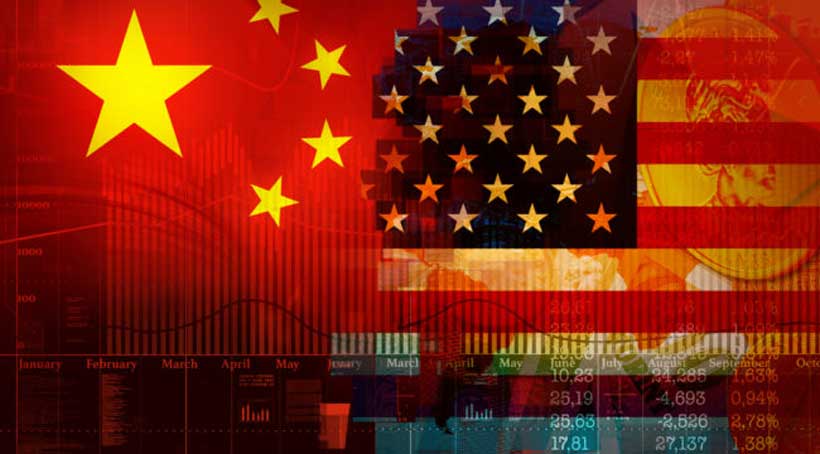
China has announced a fresh round of rare earth export restrictions, expanding controls on processing technology and clarifying that exports to foreign defence and semiconductor industries will now face stricter scrutiny.
The move, detailed by the Ministry of Commerce on Thursday, builds on sweeping restrictions introduced in April, which disrupted global supply chains and caused temporary shortages before partial relief through deals with the United States and Europe.
China accounts for over 90% of global rare earth processing, and the 17 rare earth elements it dominates are critical for products ranging from electric vehicles and smartphones to jet engines and military radar systems.
Why It Matters
The expanded controls signal Beijing’s intent to weaponize its dominance in rare earths amid escalating tech and trade competition with Washington. By restricting exports to defence and semiconductor users, China is effectively targeting strategic sectors central to U.S. and allied industrial security.
Analysts view the move as a strategic bargaining tool ahead of the anticipated Trump–Xi summit in South Korea, where economic and security issues are expected to dominate.
Exporters will now require specific licences to collaborate with foreign partners on rare earth technologies or export recycling and magnet-making equipment, widening Beijing’s control over global supply chains.
Although China said it will introduce “licensing facilitation measures” to ease access for civilian users, the announcement underscores how resource security has become a geopolitical weapon in the U.S.–China rivalry.
China’s Ministry of Commerce (MOFCOM), leading the new regulatory framework and licensing regime.
Foreign Defence and Semiconductor Industries, particularly those in the U.S., South Korea, Japan, and Taiwan, now facing tighter licensing barriers.
Major chipmakers such as TSMC (Taiwan), Samsung Electronics (South Korea), and SK Hynix (South Korea), potential indirect targets, given their reliance on rare earth-related technologies.
U.S. Government and Lawmakers, recently urged expanded bans on chipmaking exports to China, raising bilateral trade tensions further.
Global Manufacturers, including EV and electronics producers, who rely on Chinese rare earths for key components.
What’s Next
The new measures will likely tighten global supply chains, particularly for defence contractors and advanced chip manufacturers. Companies dependent on rare earth magnets or processing tools may face licensing delays and cost increases.
Observers expect the U.S. and allies to accelerate diversification efforts, including rare earth recycling programs and investment in Australian and African mining projects, to reduce reliance on China.
With the Trump–Xi meeting set for later this month, rare earths are poised to become a central bargaining chip in broader trade and technology negotiations.
With information from Reuters.
