


Israel reopened the Rafah border crossing to Egypt on Monday, allowing Palestinians to leave Gaza on foot and enabling those who fled during the war to return. The reopening comes nearly nine months after Israel seized control of the crossing during its military offensive in Gaza. Israeli authorities and Egypt are expected to impose limits on the number of travelers and require security checks for both entry and exit. European monitoring teams have arrived to oversee the movement of residents.
Humanitarian Context
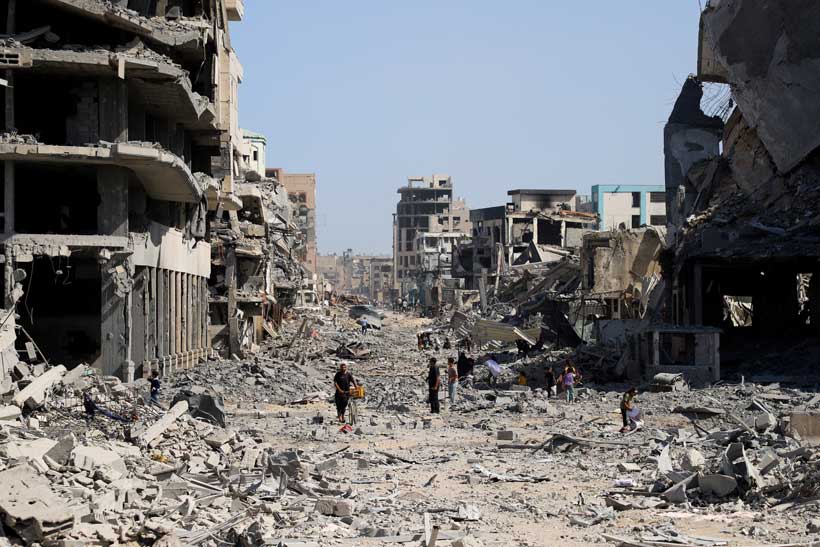
The Rafah crossing has been a vital route for Palestinians seeking safety or medical care. Since the October 7, 2023 Hamas attacks on southern Israel, about 100,000 Palestinians have fled Gaza, most during the first nine months of the conflict. Israel’s closure of the crossing, along with the Philadelphi corridor, cut off access for thousands needing medical treatment abroad. While some patients have been allowed to leave for urgent care, the majority remain trapped in the devastated enclave, where roughly 2 million people live in damaged homes and makeshift tents.
Restrictions on Media
Despite the reopening, Israel continues to bar foreign journalists from entering Gaza, a policy in place since the start of the conflict. The Foreign Press Association has petitioned Israel’s Supreme Court to allow journalists access, citing public interest and the importance of independent reporting. Israeli officials argue that entry could endanger both soldiers and reporters, while noting that aid and U.N. personnel are allowed access.
Ongoing Violence and Political Tensions
The reopening occurs amid continued violence and uncertainty over the ceasefire brokered in October 2024. Israeli strikes over the weekend killed at least 30 Palestinians in response to what Israel said was a truce violation by Hamas. Meanwhile, plans for Gaza’s reconstruction and governance under Palestinian technocrats remain uncertain, with some Israeli officials warning of a potential return to full-scale military operations if the truce collapses.
Stay ahead of the geopolitical week.
MD Briefing delivers expert analysis across five global fronts — the Indo-Pacific, energy, geoeconomics, European security, and the Middle East — every Monday morning. Free.
Why It Matters
The Rafah reopening is a critical humanitarian step, potentially easing the plight of displaced Gazans and allowing limited movement in and out of the enclave. At the same time, the restrictions on journalists and ongoing military activity highlight the fragile nature of the ceasefire and raise concerns about transparency and accountability in reporting the conflict’s human toll.
Analysis
The Rafah crossing reopening illustrates the tension between humanitarian needs and security concerns in Gaza. While Israel’s move provides a lifeline for some civilians, the limited scope, continued media restrictions, and intermittent violence underscore how fragile the truce remains. The border’s reopening also reflects the challenges in implementing U.S.-brokered plans for reconstruction and governance: without confidence in enforcement and a full cessation of hostilities, even modest humanitarian measures risk being undermined. The situation highlights the ongoing difficulty of balancing civilian protection, military objectives, and political negotiations in a protracted conflict zone.
With information from Reuters.
