


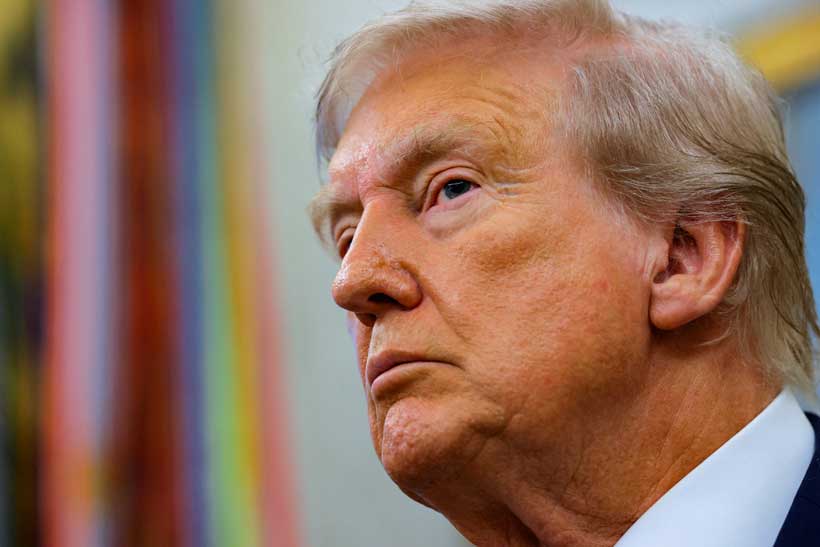
As the world anticipates next week’s Nobel Prize announcements, the spotlight is not only on scientific brilliance but also on political pressures threatening the conditions under which research thrives. The Royal Swedish Academy of Sciences, which awards Nobels in chemistry, physics, and economics, has warned that academic freedom is under serious threat in the United States and beyond. At the center of this concern lies U.S. President Donald Trump, whose second-term education and research policies critics say risk stifling innovation, silencing dissent, and reshaping academic life in ways that could have long-lasting consequences.
Academic Freedom as a Democratic Pillar
Ylva Engstrom, Vice President of the Academy, called academic freedom “one of the pillars of the democratic system,” warning that Trump’s proposed budget cuts and restrictive measures could “have devastating effects” in both the short and long term. This critique echoes a broader global anxiety: that political interference in universities, research institutions, and funding bodies undermines both democratic norms and scientific progress. While the administration insists its policies will eliminate waste and strengthen American innovation, critics argue that the cumulative impact will be fewer resources, narrower agendas, and less space for independent inquiry.
Why It Matters
The timing of these warnings is striking. The Nobel Prizes, created by Alfred Nobel and widely regarded as the most prestigious global awards in science, literature, and peace, represent the very spirit of independent discovery. For the Nobel committees to voice concern is unusual, and it highlights the stakes: when political agendas interfere with funding or impose ideological restrictions, scientific communities lose their autonomy and, with it, their ability to pursue breakthroughs that benefit society at large. The consequences extend beyond laboratories and universities, affecting economic growth, job creation, and even national competitiveness.
The Trump administration has justified its approach by emphasizing “patriotic education” and reductions in federal involvement, including a push to dismantle the Department of Education and limit international student enrollment. Yet these measures directly affect U.S. universities, research centers, and global collaborations institutions that often produce Nobel-caliber work. Economists such as Simon Johnson, a Nobel laureate himself, have warned that these cuts will stifle economic dynamism, particularly in areas like life sciences and biomedical research. Meanwhile, the Nobel Foundation has adopted a watchful stance, emphasizing its role in defending free inquiry and intellectual independence.
Stay ahead of the geopolitical week.
MD Briefing delivers expert analysis across five global fronts — the Indo-Pacific, energy, geoeconomics, European security, and the Middle East — every Monday morning. Free.
Future Outlook: Knowledge, Politics, and Global Prestige
Looking forward, the clash between politics and academia is likely to intensify. If the United States, historically the world’s largest funder of research, continues to shrink its commitments and tie funding to ideological strings, the effects will reverberate globally. Other nations could fill the vacuum, shifting the geography of scientific leadership. For the U.S., the risk is not only diminished innovation but also reputational damage, as political interference undermines the values associated with Nobel recognition: freedom of inquiry, international collaboration, and knowledge in service of humanity. Whether these warnings translate into policy change or further entrenchment will determine how future Nobel laureates many from U.S. institutions can pursue their work.
with information from Reuters.
