


NEWS BRIEF
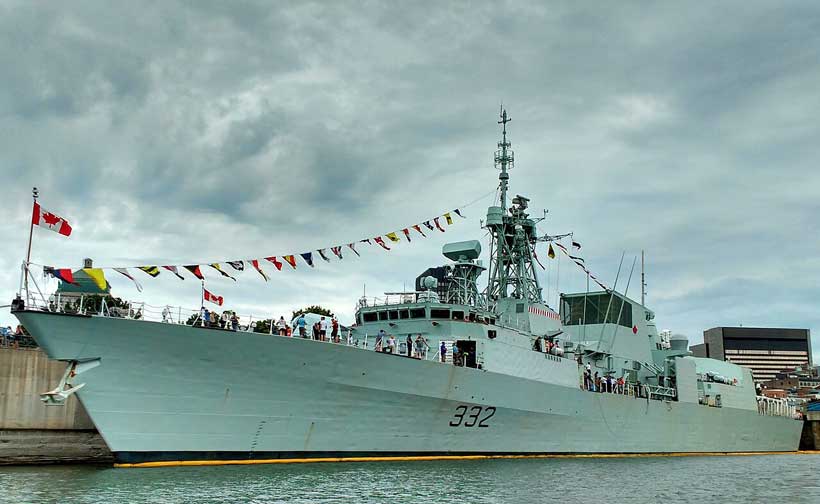
Two Canadian and Australian warships sailed through the Taiwan Strait on Saturday, drawing sharp attention from Beijing. China’s state-run media reported the PLA tracked and monitored the vessels throughout their passage, underscoring the rising tensions over international navigation rights in the contested waterway.
WHAT HAPPENED
- The Canadian frigate Ville de Quebec and the Australian guided-missile destroyer Brisbane transited the Taiwan Strait, a major flashpoint between China and the West.
- China’s Global Times said the PLA maintained “full surveillance” and claimed the situation was “under control.”
- The U.S. and allied navies, including Canada, Britain, and France, have periodically conducted similar transits, citing the strait as international waters.
- China insists the Taiwan Strait falls within its territorial waters, rejecting the international navigation claim.
WHY IT MATTERS
Stay ahead of the geopolitical week.
MD Briefing delivers expert analysis across five global fronts — the Indo-Pacific, energy, geoeconomics, European security, and the Middle East — every Monday morning. Free.
- The transit underscores deepening coordination between U.S. allies in asserting freedom of navigation in contested waters.
- Canada and Australia’s involvement signals expanded Western military presence, beyond the U.S., in deterring China’s maritime claims.
- For Beijing, the move challenges sovereignty claims and tests its resolve ahead of Taiwan’s rising strategic importance.
IMPLICATIONS
- Heightened PLA response: Regular allied transits could trigger more aggressive PLA shadowing or military maneuvers
- Allied signaling: Joint Canadian-Australian passage broadens the narrative that Taiwan Strait security is a collective Western concern, not just a U.S.-China issue.
- Diplomatic fallout: Beijing may use the incident to pressure Ottawa and Canberra diplomatically, potentially linking it to trade or bilateral ties.
- Regional flashpoint risk: Escalation in the strait raises risks of miscalculation, especially with multiple militaries operating in close proximity.
This briefing is based on information from Reuters.
