


Background
The Shanghai Cooperation Organisation (SCO), a Eurasian political, economic and security bloc, has become a key platform for China and Russia to promote alternatives to Western-dominated institutions. Against the backdrop of strained ties with the United States and global economic turbulence, the bloc met in Tianjin, China, with leaders from over 20 non-Western countries attending.
What Happened
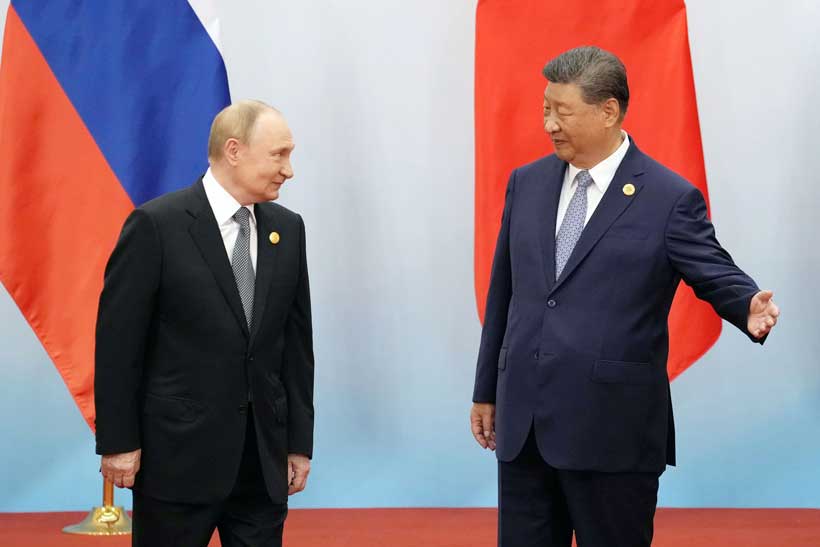
On September 1, Chinese President Xi Jinping and Russian President Vladimir Putin outlined their vision for a “new global order” during the SCO summit. Xi called for “true multilateralism,” reform of global governance, and more representation for developing nations. Putin echoed the sentiment, emphasizing Eurasian security frameworks not dominated by the West. Xi also announced Chinese financial and technological support, including aid packages, loans, and proposals for an SCO development bank.
Why It Matters
This summit underscores Beijing and Moscow’s intent to challenge U.S.-led global systems. The push for alternative financial structures, reduced reliance on the U.S. dollar, and new development mechanisms signals growing multipolarity in international politics. The outcome could reshape global trade, security cooperation, and influence the alignment of developing countries caught between Western and Eurasian blocs.
Stakeholder Reactions
- Xi Jinping: Urged the SCO to resist “hegemonism and power politics” while promoting development and multilateralism.
- Vladimir Putin: Praised SCO for fostering genuine multilateralism and laying the foundation for a new Eurasian stability system.
- Antonio Guterres (UN Secretary-General): Called China’s role “fundamental” for global multilateralism.
- Narendra Modi (Indian PM): Stressed cooperation with China, agreeing that India and China are “partners in development, not rivals.”
What’s Next
Beijing’s proposal for an SCO development bank and AI cooperation center may gain traction among member states. However, whether SCO can translate rhetoric into concrete alternatives to Western systems remains uncertain. The bloc’s ability to manage internal rivalries, particularly between China and India, will shape its future credibility. (Source: Reuters)
Stay ahead of the geopolitical week.
MD Briefing delivers expert analysis across five global fronts — the Indo-Pacific, energy, geoeconomics, European security, and the Middle East — every Monday morning. Free.
