
The United States’ NATO allies announced on Monday that they would not participate in President Donald Trump’s plan to blockade the Strait of Hormuz, increasing tensions within the alliance. Trump stated the U. S. military would collaborate with other nations to block maritime traffic in the waterway following unsuccessful talks to resolve the ongoing conflict with Iran. The blockade, which is set to start at 1400 GMT on Monday, will specifically target ships traveling to or from Iranian ports.
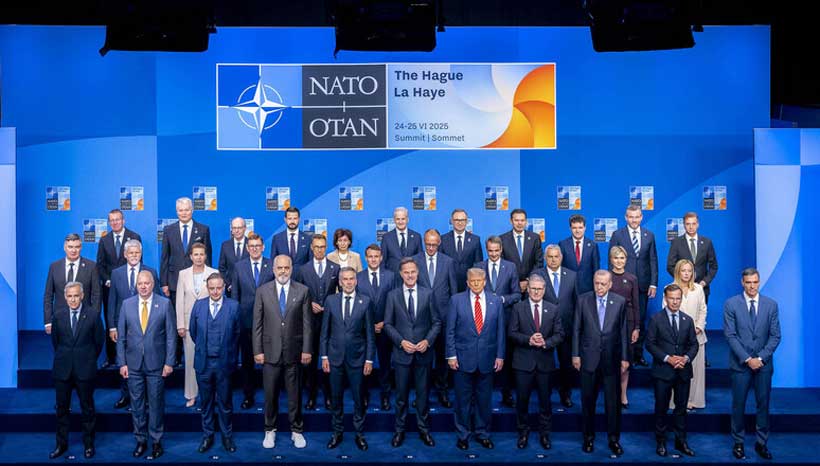
NATO allies, including Britain and France, emphasized the importance of keeping the waterway open, through which one-fifth of the world’s oil typically flows, and clarified that they would not take part in the blockade. British Prime Minister Keir Starmer declared his decision not to engage in the conflict despite considerable pressure. NATO Secretary General Mark Rutte indicated that Trump is seeking specific commitments from European nations to help secure the Strait of Hormuz.
While some European countries expressed willingness to assist in the strait, they conditioned their support on a permanent end to hostilities and an agreement ensuring their ships’ safety. French President Emmanuel Macron announced plans to organize a conference with Britain and others to establish a multinational mission to restore navigation. The Turkish Foreign Minister, Hakan Fidan, advocated for a diplomatic approach to reopen the strait and urged NATO to improve its relationship with Trump in a summit scheduled for July in Ankara.
With information from Reuters