


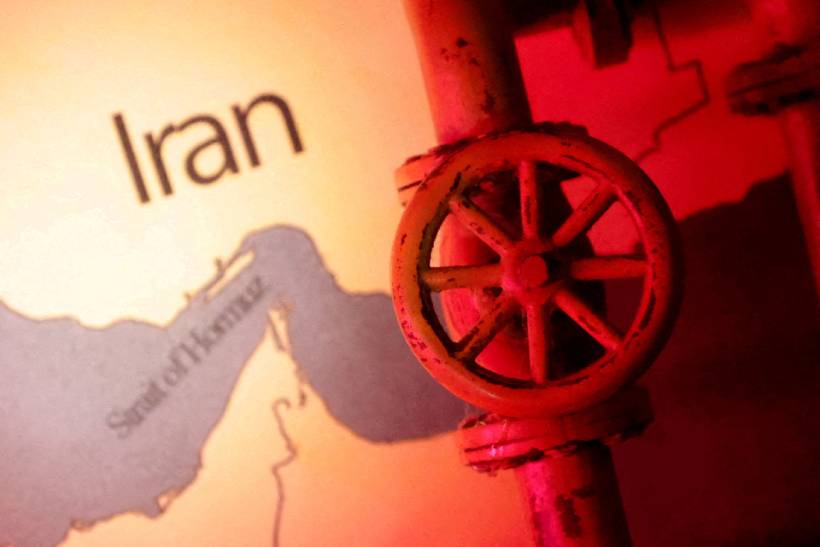
The ongoing conflict involving Iran and disruptions in the Strait of Hormuz are placing growing strain on the global oil trading system, which has long been dominated by the United States dollar.
The Strait of Hormuz is one of the world’s most important energy corridors, with a significant share of global crude oil shipments passing through it. Since the escalation of the conflict, roughly one fifth of Gulf oil flows have been disrupted, affecting import dependent economies, especially in Asia.
As tensions continue, major oil importers are increasingly turning to direct and less transparent supply arrangements with Gulf producers and regional intermediaries to maintain access to energy supplies.
Rising Use of Opaque Oil Trade Routes
Reports indicate that oil shipments are increasingly moving through informal or indirect channels, including arrangements that involve reduced tracking visibility and alternative settlement structures.
Stay ahead of the geopolitical week.
MD Briefing delivers expert analysis across five global fronts — the Indo-Pacific, energy, geoeconomics, European security, and the Middle East — every Monday morning. Free.
Some tankers have reportedly crossed the Strait of Hormuz with tracking systems turned off, reflecting heightened security concerns and efforts to avoid geopolitical interference.
These developments suggest a shift away from traditional open market oil trading toward more politically negotiated supply routes.
Shift Toward Bilateral Energy Deals
Countries heavily dependent on Gulf oil, including major Asian economies, are expanding bilateral agreements with producers in the Middle East to secure long term supply stability.
These arrangements often involve state to state negotiations rather than open market transactions, allowing buyers to reduce exposure to price volatility and transit risks.
There are also indications that some agreements may involve non dollar settlement mechanisms or barter style exchanges, although most global oil trade still relies heavily on established pricing benchmarks.
Pressure on the Petrodollar System
The traditional global oil trading system has long relied on the dominance of the US dollar, often referred to as the petrodollar system. However, current disruptions are accelerating discussions about alternative payment structures.
Some emerging economies have already begun experimenting with local currency settlements in energy trade. For example, India and the United Arab Emirates have previously agreed to use alternative currencies for certain bilateral transactions.
While these changes remain limited in scale, analysts suggest that continued instability in key shipping routes could encourage further fragmentation of global oil payment systems.
Strategic Importance of Hormuz
The Strait of Hormuz remains central to global energy security. Any disruption in this corridor creates immediate ripple effects across global oil prices, shipping costs, and industrial supply chains.
As a result, importing countries are increasingly prioritizing energy security strategies, including long term supply contracts, strategic reserves, and direct diplomatic engagement with producers.
Geopolitical and Economic Implications
The current disruption reinforces the strategic leverage of Iran over a critical global chokepoint, while also increasing the importance of Gulf producers in shaping global energy flows.
At the same time, it highlights the continued role of the United States as a dominant energy producer and financial power, even as parts of the global system show signs of gradual diversification.
Analysis
The situation in the Strait of Hormuz reflects a broader transformation in global energy governance, where geopolitical risk is becoming embedded in the structure of oil pricing and trade.
Rather than a sudden replacement of the petrodollar system, the more likely outcome is gradual fragmentation. This would involve multiple overlapping systems, including dollar based pricing, bilateral currency arrangements, and state negotiated supply contracts.
Such fragmentation could reduce transparency in global oil markets and increase price volatility, as fewer transactions occur through standardized and highly liquid exchanges.
In the long term, the balance of power is likely to remain complex. The United States will continue to play a central role in global energy production and financial systems, but growing regionalization of trade could slowly erode the uniformity that has defined the global oil market for decades.
With information from Reuters.
