The U. S. and Iran are currently working on a temporary agreement to halt the war, focusing on a limited deal rather than a comprehensive peace agreement. They aim to establish a memorandum to stop hostilities and ensure safe passage through the Strait of Hormuz while starting discussions on a broader agreement. This plan would involve three main steps: officially ending the war, resolving the issues in the Strait of Hormuz, and initiating a 30-day negotiation period for a more extensive deal. However, significant gaps remain, and pressing matters like Iran’s nuclear program still need to be addressed.
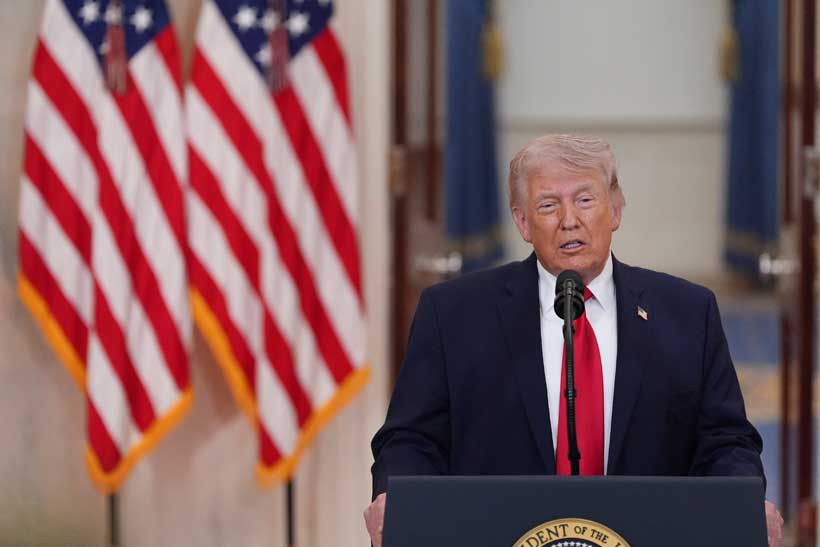
Key issues include officially ending the war, with U. S. President Donald Trump suggesting that resolution hinges on Iran’s acceptance of terms, while Iranian leaders express distrust. Tehran’s history of responding to ceasefire violations reinforces their skepticism, and they seek external guarantees for any truce.
Control of the Strait of Hormuz is another crucial point of leverage. Iran wishes for recognition of its control over this vital area, while the U. S. has a blockade in place. Both sides are facing severe economic challenges, with Iran’s economy suffering due to sanctions and the blockade’s impact on oil exports exacerbating a global energy crisis.
The nuclear program remains a major thorn in negotiations. The U. S. fears Iran aims to develop a nuclear bomb, a claim Iran denies, stating its pursuits are peaceful. The U. S. demands that Iran cease uranium enrichment for two decades and relinquish its highly enriched uranium stockpile, while Iran insists on recognizing its right to enrichment.
Ballistic missiles are also contentious, with the U. S. previously demanding limitations on their range, especially concerning threats to Israel. Iran refuses to discuss its missile capabilities, maintaining that its right to conventional weapons is non-negotiable.
Sanctions and frozen assets are a critical issue for Iran, which has faced economic strain for years. Tehran seeks the lifting of sanctions and the release of its frozen assets and may request reparations for war damages, though it seems unlikely the U. S. will agree to this now.
Additionally, Iran has called for any peace agreement to include discussions about Israel’s conflict with Hezbollah, but Israel opposes this idea. The position of Gulf states is also uncertain, as they fear any deal might allow Iran to continue attacking them or gain control over crucial shipping routes.
European nations, China, and Russia could potentially play roles in negotiations. European countries have expressed interest in securing shipping routes in Hormuz. China, a major oil importer, and Russia’s involvement in Iran’s nuclear negotiations could also influence future agreements, though it’s unclear how much support they would provide.
With information from Reuters