


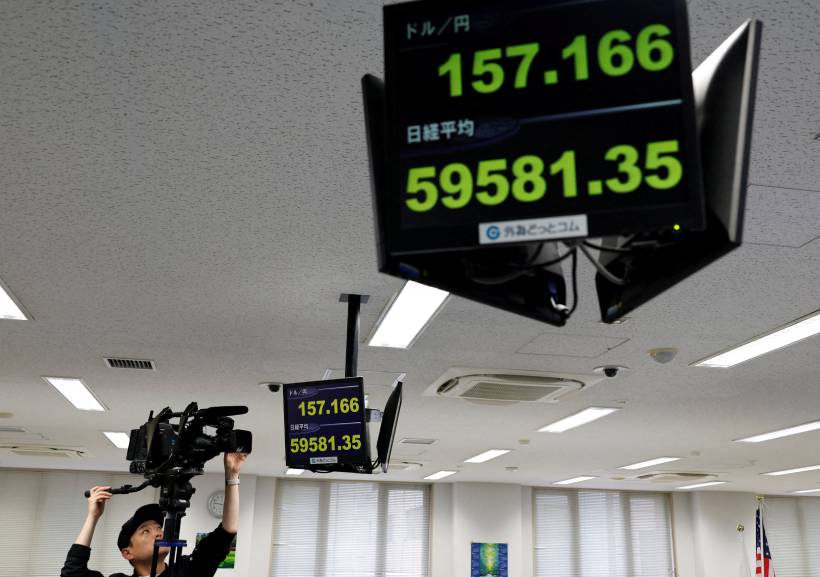
The US dollar slipped against major currencies after signals from Donald Trump and Marco Rubio suggested progress toward a potential agreement with Iran. Trump announced a pause in naval operations linked to the Strait of Hormuz, easing immediate fears of escalation in the Gulf.
At the same time, the Japanese yen strengthened sharply, reaching its highest level in more than two months. Comments from Satsuki Katayama warning against speculative currency moves fuelled expectations that Japanese authorities may intervene to support the yen.
Other currencies including the euro, sterling, and the Australian dollar also gained as the dollar index declined. Meanwhile, oil prices softened slightly but remained elevated due to continued disruptions around the Strait of Hormuz.
Why this matters
Currency markets are highly sensitive to geopolitical risk and policy signals. Hopes of a US Iran deal reduce uncertainty, weakening the dollar as investors shift toward riskier assets and other currencies.
Stay ahead of the geopolitical week.
MD Briefing delivers expert analysis across five global fronts — the Indo-Pacific, energy, geoeconomics, European security, and the Middle East — every Monday morning. Free.
The strengthening yen is significant because it often reflects safe haven demand or direct government action. Possible intervention by Japan signals concern over currency volatility, which can impact global trade and financial stability.
At the same time, ongoing disruptions in the Strait of Hormuz continue to pressure oil markets. Even with diplomatic progress, supply concerns could keep inflation risks alive, complicating central bank decisions worldwide.
Stakeholders
Key stakeholders include the United States, where policymakers are balancing diplomacy with economic stability, and Iran, whose potential agreement could reshape energy markets. Japan is also central, as authorities monitor and possibly intervene in currency markets to stabilise the yen.
Global investors and financial institutions are directly affected, adjusting portfolios in response to currency swings and geopolitical developments. Energy dependent economies also remain exposed to oil price fluctuations linked to tensions in the Gulf.
Central banks, especially the Federal Reserve, are closely watching these developments as they assess interest rate policy in light of inflation and labour market conditions.
What is next
Markets are now focused on upcoming US economic data, particularly the non farm payrolls report, which will indicate the strength of the labour market and influence expectations for interest rate decisions.
Further clarity on US Iran negotiations will be critical. A confirmed agreement could stabilise markets and ease pressure on oil prices, while any breakdown in talks may quickly reverse recent currency trends.
Investors will also watch for any official confirmation of Japanese intervention, as well as continued signals from global policymakers navigating an uncertain economic and geopolitical landscape.
With information from Reuters.
