


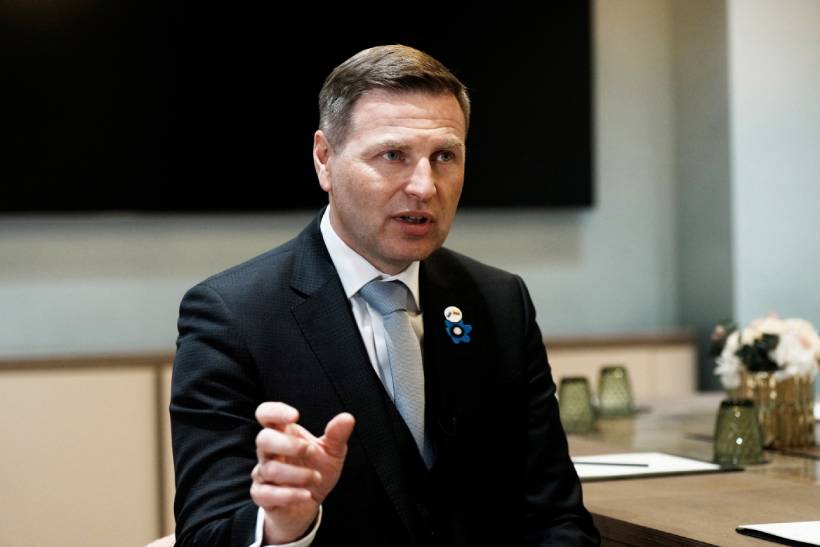
Amid ongoing uncertainty caused by the war in Ukraine and strained transatlantic relations, NATO faces renewed scrutiny over its unity and credibility. Hanno Pevkur reaffirmed confidence in collective defence, even as Donald Trump has questioned alliance commitments and pressured European members to increase military spending. Estonia and other frontline states remain wary of Russia, which intelligence reports suggest is preparing for future conflicts beyond Ukraine.
Why it matters:
The credibility of NATO’s collective defence clause underpins security across Europe. Any doubt about U.S. commitment risks weakening deterrence against Russia and could embolden further aggression. At the same time, Europe’s limited independent military capacity highlights a structural imbalance that could reshape global security dynamics if left unaddressed.
Stakeholders:
The primary actors include NATO member states, especially eastern European countries like Estonia and Lithuania, the United States as the alliance’s leading military power, and Russia as the perceived threat. European governments facing pressure to increase defence spending are also central to the issue.
What’s next:
Tensions within NATO are likely to persist as debates over burden sharing and strategic priorities continue. Increased defence spending across Europe is expected, but progress may be uneven. The trajectory of the war in Ukraine and U.S. foreign policy decisions will remain decisive in determining whether NATO cohesion strengthens or faces deeper strain.
Stay ahead of the geopolitical week.
MD Briefing delivers expert analysis across five global fronts — the Indo-Pacific, energy, geoeconomics, European security, and the Middle East — every Monday morning. Free.
With information from Reuters.
