


The United States has imposed a sweeping naval blockade on Iran, effectively halting maritime trade that accounts for around 90% of Iran’s economy.
The escalation comes amid an ongoing conflict that began in February and has disrupted global energy markets, particularly through tensions in the Strait of Hormuz.
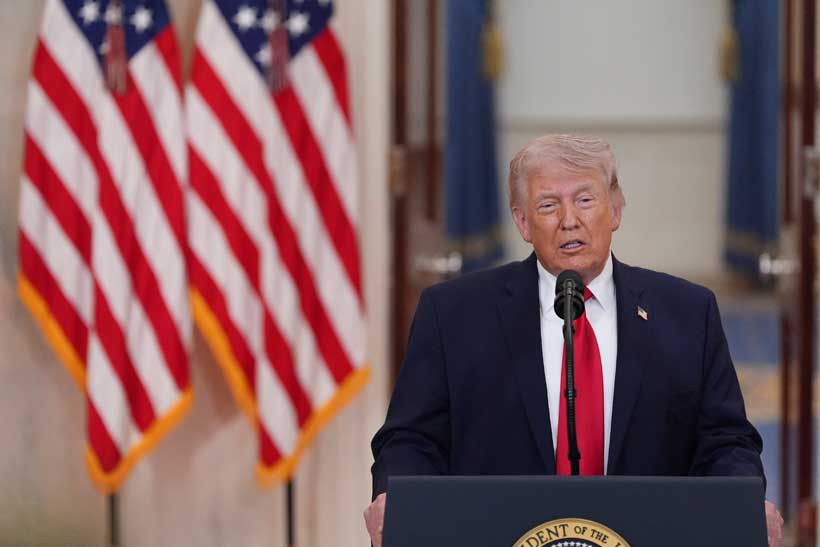
Despite military pressure, Donald Trump signalled that negotiations with Iran could resume soon, with Pakistan emerging as a key venue for talks.
Key Developments
US forces have intercepted multiple Iran-linked oil tankers and turned back vessels
Stay ahead of the geopolitical week.
MD Briefing delivers expert analysis across five global fronts — the Indo-Pacific, energy, geoeconomics, European security, and the Middle East — every Monday morning. Free.
Washington plans to tighten sanctions further by ending waivers on Iranian oil shipments
Talks between US and Iranian officials may resume within days in Pakistan
Oil prices have dipped amid cautious optimism over a potential deal
Military and Economic Pressure
The blockade represents one of the most aggressive US moves against Iran in recent years
Iran’s maritime trade lifeline has been severely disrupted
Restrictions on oil exports could deepen economic strain and limit revenue
Control over key shipping routes adds strategic leverage for the United States
Diplomatic Signals
Donald Trump and JD Vance have expressed cautious optimism about renewed negotiations
Backchannel discussions suggest some progress on key issues
Pakistan is playing a mediating role, with involvement from regional stakeholders
However, no confirmed date for the next round of talks has been set
Key Sticking Points
Disagreement over Iran’s nuclear programme timeline
The US proposes a long-term suspension of nuclear activity
Iran prefers a shorter-term arrangement
Debate over removal of sanctions versus limits on uranium enrichment
Continued conflict involving Israel and Hezbollah complicates ceasefire efforts
Global Impact
Disruptions in oil supply affecting Asia and Europe
Volatility in global energy markets, though prices have recently eased
Increased geopolitical risk in the Middle East
Pressure on global shipping routes and supply chains
Analysis
The US strategy reflects a dual-track approach: applying maximum economic and military pressure while keeping diplomatic channels open. By choking Iran’s maritime trade, Washington is attempting to force concessions at the negotiating table without committing to prolonged conflict.
However, this approach carries significant risks. The blockade could escalate tensions further, particularly if Iran retaliates in the Strait of Hormuz, a critical artery for global energy flows.
At the same time, signs of renewed dialogue indicate that both sides may be seeking an off-ramp. The gap in nuclear demands remains substantial, but backchannel progress suggests a possible compromise framework.
The broader regional context, especially ongoing hostilities involving Israel and Iran-backed groups, complicates peace efforts and risks undermining any agreement reached.
Overall, the situation remains highly volatile, balancing between escalation and cautious diplomacy.
What’s Next
Possible resumption of US–Iran talks in Pakistan within days
Further tightening of sanctions and enforcement of the naval blockade
Monitoring of Iran’s response, particularly in key maritime routes
Potential breakthrough or breakdown depending on nuclear negotiations
Regional conflicts may continue to influence the trajectory of peace efforts
With information from Reuters.
