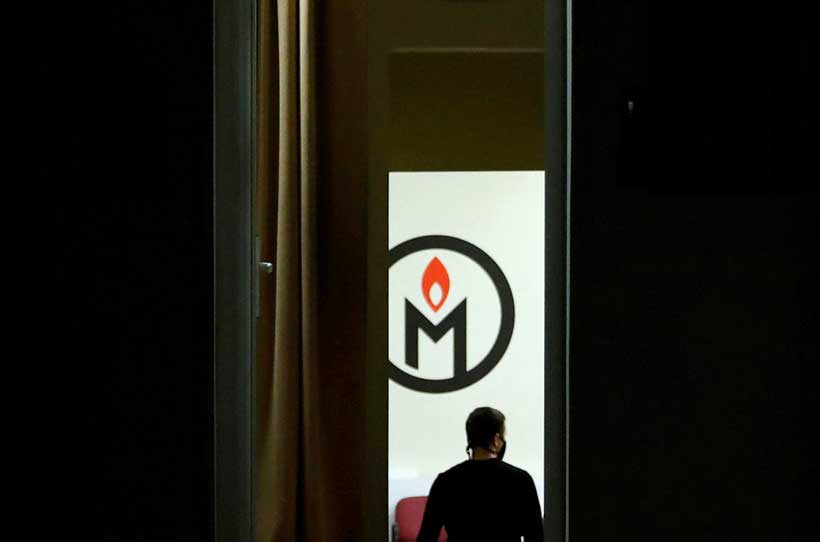
Russia’s Supreme Court has labeled the human rights group Memorial as an “extremist” movement, marking a new stage of repression in the country. This ruling is part of a broader crackdown on free speech in Russia and allows the government to prosecute anyone involved with Memorial, including donors or those sharing its publications. Following a closed hearing, the court banned Memorial’s activities in Russia immediately, claiming they undermine Russian statehood and moral values. Memorial’s lawyer was not present at the hearing, and the organization condemned the ruling, stating it would continue its mission from abroad.
On the same day, the independent news outlet Novaya Gazeta reported that security officers were raiding its Moscow office under accusations of illegal use of personal data. Memorial, founded in the late 1980s to document political repression in the Soviet Union, has been active in defending freedom of speech and has recorded human rights abuses from Stalin’s era to the present.
In December 2021, authorities had already banned two of Memorial’s groups, accusing them of justifying terrorism and extremism, charges Memorial described as absurd. Despite this, Memorial continues to support over 1,500 political prisoners, primarily from outside Russia. The Kremlin asserts that it is upholding the law against those who commit crimes. The recent ruling targets an unspecified “international public movement Memorial,” which the organization claims does not exist. It has urged its supporters in Russia to refrain from donations or online support to avoid government attention.
Memorial won the 2022 Nobel Peace Prize alongside Ales Bialiatski and the Ukrainian Centre for Civil Liberties as a condemnation of Russia’s invasion of Ukraine. Memorial leader Oleg Orlov was previously imprisoned for protesting against the war before being released in a 2024 prisoner swap. The Norwegian Nobel Committee expressed concern ahead of the ruling, warning that it could criminalize all of Memorial’s activities, putting anyone supporting it at risk of imprisonment.
With information from Reuters