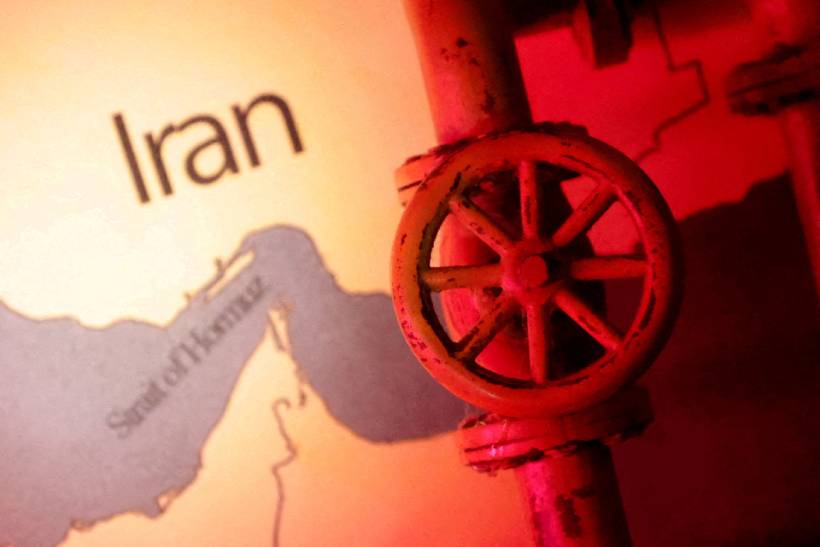
Recent U. S. intelligence reports indicate that Iran is not likely to reopen the Strait of Hormuz soon, as controlling this key oil route gives Iran significant leverage against the United States. This control allows Iran to manipulate energy prices, which may pressure U. S. President Donald Trump to withdraw from an unpopular war lasting nearly five weeks. The reports suggest that instead of weakening Iran’s military strength, the war could enhance Iran’s influence by showing its capability to threaten this critical waterway.
Trump has tried to minimize the difficulties of reopening the Strait, suggesting he could send U. S. forces to do so. He posted on Truth Social about the possibility of easily reopening the strait, seizing oil, and making large profits. However, experts warn that military action against Iran may be costly and could result in a prolonged ground conflict. Ali Vaez, from the International Crisis Group, argues that Iran’s command over the strait is a more powerful tool than a nuclear weapon.
Trump’s position on military intervention has changed; he has made ending Iran’s control a condition for a ceasefire while also urging Gulf countries and NATO allies to take charge of reopening it. A White House official expressed confidence that the strait would be reopened soon and stated that Iran would not be allowed to regulate traffic afterward. However, the official acknowledged that other nations have more at stake in this situation than the U. S.
Iran’s Islamic Revolutionary Guard Corps has employed various tactics to make transit through the Strait treacherous since the war began on February 28, contributing to skyrocketing global oil prices and fuel shortages in oil-dependent nations. Rising energy costs could lead to inflation in the U. S., which poses a political challenge for Trump as he faces low approval ratings ahead of the mid-term elections.
Experts caution that any military effort to reopen the strait carries considerable risks due to its narrow shipping lanes, making vessels easy targets for attack. Even if U. S. forces were to succeed in capturing parts of the southern Iranian coast, Iran could still launch drones and missiles from deep within its territory. After the war, Iran is expected to maintain its influence over traffic through the strait, potentially utilizing passage fees to fund its reconstruction efforts and seeking security guarantees in negotiations with the U. S. This scenario complicates future peace discussions significantly.
With information from Reuters