


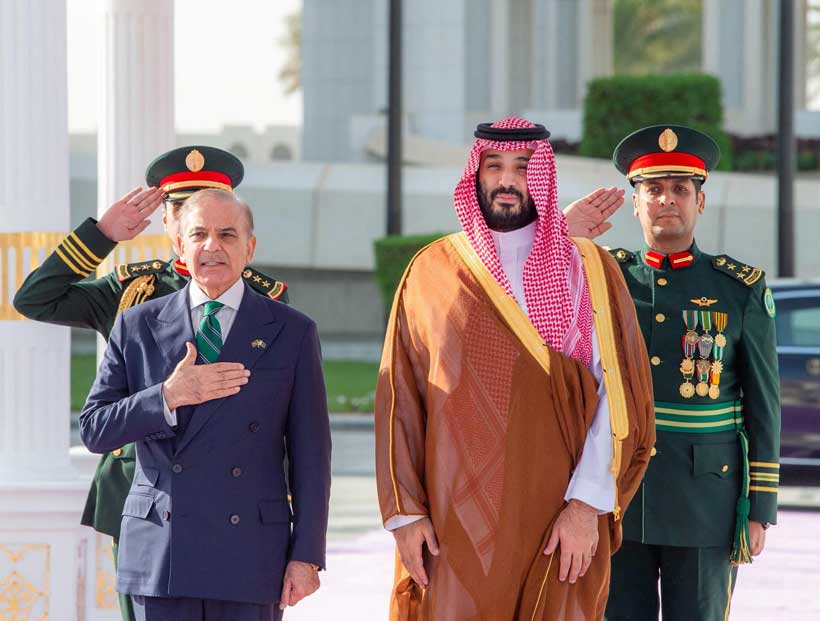
Fire spreads across the Middle East while trusted voices fade. Not because of loud failures but quiet withdrawals. Qatar pulled thin, Ankara stretched beyond reach. Beijing trades access for advantage, nothing more. Washington shifts with every political gust, especially when led by figures like Trump. Yet amid these fraying efforts, a different pattern emerges—one shaped by restraint. Pakistan moves without fanfare, repeating its stance like clockwork. No grand declarations, just repeated appearances where few others dare. Its role grows harder to ignore, even if still unproven. Doubts remain, naturally. Can steady presence become real impact? Now, officials in distant capitals pause before dismissing it. Questions about Pakistan’s potential linger longer than before. Silence around its actions speaks louder each time.
Pakistan’s Strategic Repositioning
Understanding Pakistan’s changing position starts with seeing how its approach to global ties shifted deep down. Not neutrality alone drove this—instead, safety from nearby chaos mattered just as much, along with guarding business links and millions living abroad, especially in Arab Gulf nations. Years passed like this: cautious steps, little movement, and silence where others might act. Then came 2025. Suddenly, hesitation faded. By 2026, old habits had snapped open—replaced by motion few expected.
That change became real on September 17, 2025. In Riyadh, Pakistan and Saudi Arabia sealed a deal on mutual military support. An assault on either now pulls the other into response. Shared efforts will unfold in spying networks and fighting extremist threats, alongside building arms industries together. The move shows how both nations aim to stand firmer as unrest spreads through the region. Beyond security, Islamabad sees room to ease financial strain by tying closer to energy-wealthy allies.
Stay ahead of the geopolitical week.
MD Briefing delivers expert analysis across five global fronts — the Indo-Pacific, energy, geoeconomics, European security, and the Middle East — every Monday morning. Free.
Amid rising tensions between Iran and Israel, plus ongoing conflict in Gaza, Pakistan stepped into a more visible global role. Instead of staying silent, it highlighted Donald Trump’s involvement in the Gaza peace efforts through strong public statements. The country went further by putting forward his name for the Nobel Peace Prize—once in 2025, then again in 2026. Because of these moves, Pakistan gained quiet advantages on several fronts. One clear benefit was stronger backing from the United States when dealing with disputes involving India. Another shift appeared across the Middle East, where Pakistan began gaining new recognition among regional players.
The structural advantages Pakistan holds
It’s the unusual role within regional dynamics that gives Pakistan’s stance real analytical weight—beyond just ties between two nations. Held together by hard-won operational history, trusted institutions, and location, few countries across the Muslim-majority regions match up in quite the same way.
Shuttling back and forth, Foreign Minister Ishaq Dar moves quietly between Tehran and Riyadh—a sign of how Pakistan walks two paths at once. Ties with Saudi Arabia mean steady financial support; those with Iran involve shared borders and energy needs. It takes careful steps to keep both connections alive. Few countries manage such balance, let alone from South Asia. Being heard in Washington adds another layer few can match. Not many stand where these lines cross so directly.
Parked between South Asia, the Gulf, and deeper into Eurasia, Pakistan quietly ties together trade flows from China, Russia, and Arab nations. Instead of funneling everything through sea lanes, Gulf suppliers could shift cargo over land through the China-Pakistan Economic Corridor—reaching Central Asia and far western Chinese regions by road and rail. With global power spreading across more centers now, such placement gives Pakistan quiet leverage most overlook.
The Gaza Crisis Tested
A flare-up in Gaza became the latest challenge for Pakistan’s behind-the-scenes diplomacy. While standing by Iran’s right to self-defense, it kept its lines open to Washington. At global gatherings—from UN debates to OIC meetings—officials voiced disapproval of military actions. Quiet coordination unfolded alongside Arab states and Beijing, aiming to lower tensions. Unconfirmed accounts suggest Pakistani channels helped nudge warring sides toward a truce.
How Pakistan handled the Gaza peacekeeping issue offered useful insights. While showing openness to joining a global stabilization effort, Islamabad also set strict boundaries. Troops would not be sent to take weapons from Hamas, its leaders emphasized. Any role in peace efforts depends on a real chance for Palestine to become a state, they said. The stance reveals careful attention to internal politics and what counts as legitimate abroad.
Pakistan might shape how safe things feel across the Middle East by 2026. Still, walking between U.S. expectations and China’s growing reach won’t be simple—Washington long held sway there, while Beijing steadily builds ties. Staying clear of full alignment with either power sits at the heart of what Pakistani leaders must navigate today. Not leaning too far becomes the quiet task.
The Limits You Can’t Skip
Looking at Pakistan’s position means seeing both walls and doors. Trying to help ease U.S.-Iran friction brought small gains only. Washington responded positively—Tehran still holds back, though. Closer contact with America tends to unsettle Iran, narrowing room for movement. Loyalty to Riyadh while managing Tehran creates a clash nothing clever can fix completely.
Now things at home tighten the leash on Pakistan’s reach beyond its borders. Lately, clashes with Afghanistan have burned hotter. In reply to raids on frontier outposts by Afghan forces, Pakistan hit back with airstrikes. This shift stands apart from earlier small-scale flare-ups along the line. When one edge of a nation is already caught in open conflict, promising calm elsewhere—especially across the wider Middle East—stretches credibility thin.
One thing people don’t always notice is how money ties can quietly erode a country’s independence. Remittances flowing into Pakistan, along with its need for imported energy, rely deeply on support from Gulf nations. Because of this, taking a stand against Saudi Arabia’s interests rarely happens, even if fairness might call for it. To mediate well, you must be able to upset everyone without fear. Right now, financial pressure limits that ability more than most admit.
Why Pakistan Still Has a Chance
Even so, Pakistan holds a unique spot in global diplomacy. Thanks to clever moves, ties with the U.S. under Trump stretched beyond fighting militants—now covering resources, power, and commerce. In stepping deeper into Middle East safety matters, Islamabad quietly raised its standing on the world stage.
Now Gulf nations play big roles in fixing disputes nearby. Because of growing stakes in trade, oil, and global power shifts, they step in more often. This example offers something useful for Pakistan. Instead of copying Gulf tactics, Islamabad might walk a different path. Trust built with Iran and support for Palestine gives it ground others lack. While some Arab states move toward deals, Pakistan holds ties those talks sometimes miss.
The Path Forward
Looking at things closely, the outcome isn’t simply positive or negative. What stands out is how Pakistan holds actual strengths few others in its group can match. Because of where it sits on the map, strong overseas communities help too, while its armed forces add weight to its voice. Public support for an independent Palestine runs deep there, steady over time. These pieces fit together into something solid, even if not loud. Events during 2025 and early 2026 have added quiet depth to this standing.
Still missing in Pakistan is the kind of steady structure needed to turn strengths into lasting, clear-headed diplomacy. Staying consistent across many years—far beyond short stretches—is what real mediation demands. A functioning system must manage opposing alliances at once. Neutrality holds only when internal politics or tight one-on-one ties do not pull it off course.
One by one, old excuses fade when real stakes appear. Not every nation steps forward when trust must be earned through action, not words. A few choose to shape solutions instead of repeating slogans. Stronger ground exists where cooperation grows from routine talks and shared systems. Steady work matters more than grand gestures. Hard choices follow anyone serious about influence that lasts. Foundations sit ready in places familiar with complexity. Intentions behind decisions reveal themselves over time. Right now, what counts hinges on whether plans match ambition with courage.
