


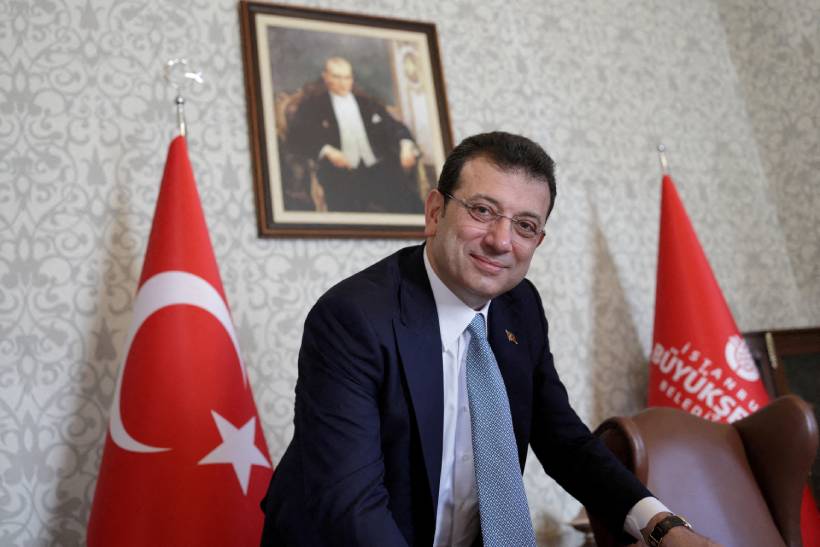
Istanbul’s jailed mayor and main opposition presidential contender, Ekrem Imamoglu, clashed with the presiding judge on Monday as a major corruption trial began, highlighting the deepening political polarization in Turkey. The trial, involving over 400 defendants connected to Istanbul’s municipal administration, marks a critical moment in Imamoglu’s bid to challenge Tayyip Erdogan in the upcoming presidential election.
Imamoglu, 55, demanded the right to speak early in the proceedings, citing the “right of people to defend themselves,” but the judge refused, prompting loud protests from lawyers, defendants, and supporters in the courtroom at Silivri Prison west of Istanbul. The judge eventually cleared the public gallery and called a brief recess.
Corruption Charges and Political Implications
Imamoglu faces allegations of leading a criminal organization for profit, including tender-rigging and bribery. Convictions could result in cumulative sentences amounting to hundreds of years in prison. Both Imamoglu and his party, the Republican People’s Party (CHP), deny the charges and describe the trial as politically motivated.
Rights groups and international observers have warned that the judicial proceedings are part of a broader crackdown on opposition figures, which they say undermines democratic norms in NATO-member Turkey. The government, however, insists the judiciary remains independent.
Stay ahead of the geopolitical week.
MD Briefing delivers expert analysis across five global fronts — the Indo-Pacific, energy, geoeconomics, European security, and the Middle East — every Monday morning. Free.
Public Outcry and Support
Supporters greeted Imamoglu with applause and whistles upon his arrival, reflecting his continued popularity among opposition voters despite his detention. His wife, Dilek Imamoglu, expressed hope for a fair trial and called for the case to proceed without extended detention. CHP leader Ozgur Ozel also attended the hearing, underscoring the party’s solidarity.
Political Context
Imamoglu’s path to the presidency has already been complicated. In January, a court dismissed his lawsuit challenging the cancellation of his university degree a requirement for presidential candidates dealing a significant blow to his eligibility.
President Erdogan, 72, has held power as prime minister or president since 2003. Although the next scheduled presidential and parliamentary elections are in 2028, an early vote in 2027 could allow him to pursue a third term unless constitutional amendments adjust term limits. Analysts say the timing of this trial, combined with the legal disqualification and ongoing crackdown, could sharply limit Imamoglu’s ability to mount a credible challenge.
Analysis: Trial as Political Tool
The trial appears to serve a dual purpose: prosecuting alleged corruption while also weakening Erdogan’s most credible rival ahead of potential elections. The dramatic courtroom scenes reflect the intersection of law and politics in Turkey, raising questions about the impartiality of judicial proceedings.
For Imamoglu, the stakes extend beyond personal liberty his detention and the trial’s outcome could determine the future of the opposition in Turkey, potentially consolidating Erdogan’s grip on power for another electoral cycle. The international community is likely to monitor proceedings closely, both for their legal implications and for the broader signal they send about democratic governance in Turkey.
With information from Reuters.
