



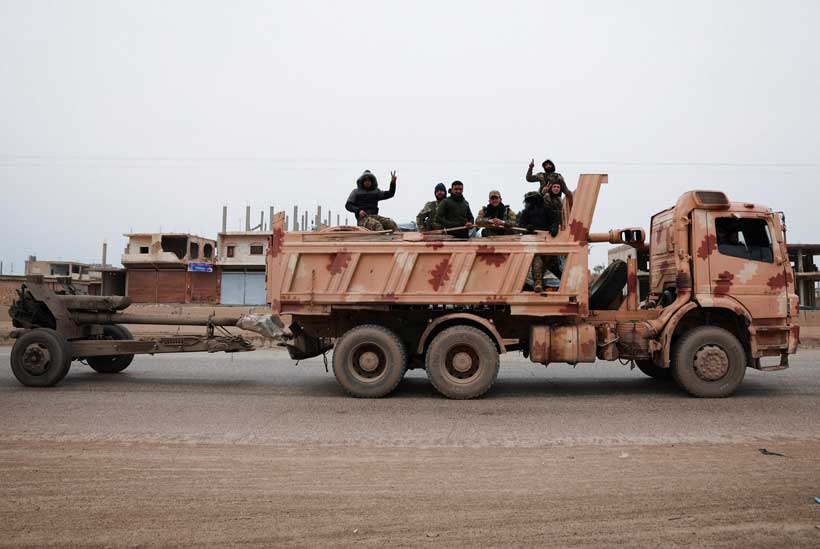
A U. S.-backed ceasefire agreement in northeastern Syria has left significant questions unanswered as the Kurds aim to keep some power despite a weakened position after central government forces advanced quickly. The deal tests Syria’s new leaders, who are trying to stabilize a nation torn apart by 14 years of war and facing violence from minority groups wary of the Islamist-led government.
This shift in control marks the most significant change since former leader Bashar al-Assad was removed from power in December 2024. After months of stalemate, the government took large areas from the Kurdish-led Syrian Democratic Forces (SDF) and agreed to a plan that looks to integrate the remaining Kurdish areas into the state. Since the agreement on January 29, progress has been made with government forces moving into two Kurdish cities and SDF fighters withdrawing from the frontlines. Furthermore, the government has appointed a regional governor nominated by the Kurds.
However, key issues remain unresolved, such as how to integrate SDF fighters, the status of their heavy weapons, and the future of a crucial border crossing to Iraq. The SDF currently maintains control over its territories, but the extent of its authority going forward is unclear, according to Noah Bonsey of the International Crisis Group. He expressed that while further implementation of the agreement is likely, the chance of mistakes and renewed conflict remains high.
President Ahmed al-Sharaa has nearly regained control of all of Syria. A Western official noted that the U. S. is pleased with the integration progress and advises flexibility towards SDF requests to maintain some Kurdish autonomy without threatening central authority. The U. S. State Department referenced an envoy’s statement suggesting the agreement could lead to lasting peace for all Syrians, while both Syria’s information ministry and the SDF have not commented.
The agreement includes plans for a defense ministry division for the northeast and the integration of SDF forces into three brigades. These brigades are to be located in Qamishli, Hasakah, and Derik, though specifics on locations remain unresolved. Tensions exist as the SDF accuses the government of besieging the town of Kobani, while Arab residents in SDF areas express discontent with the Kurdish control, especially in mixed areas like Hasakah.
The deal also requires SDF to hand over certain oil fields and the airport in Qamishli, which has not yet occurred. A Kurdish official indicated that security forces would withdraw after finalizing the integration process and that discussions around the agreement’s application would be lengthy. Meanwhile, Turkey remains cautious, viewing the SDF and its main militia, the YPG, as linked to a group it has long deemed a terrorist organization, calling for steps to address its security concerns.
With information from Reuters
