



NEWS BRIEF
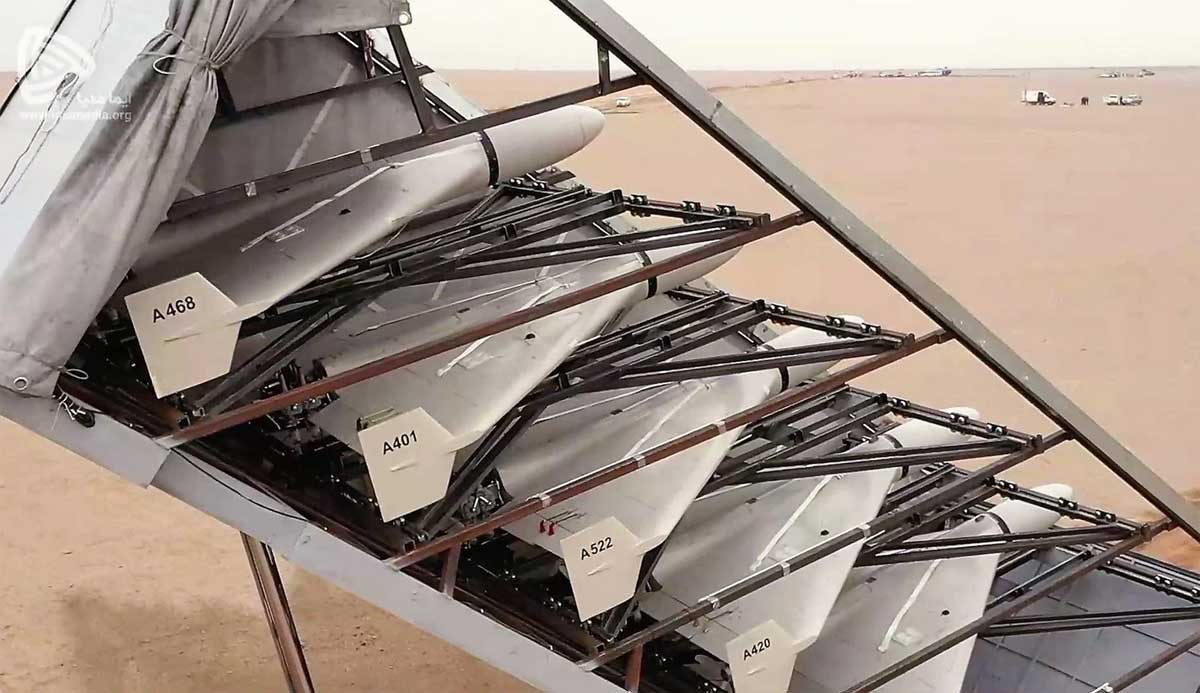
The United States has sanctioned 10 individuals and entities in Iran and Venezuela for supporting Iran’s unmanned aerial vehicle (UAV) program and facilitating weapons trade between the two sanctioned nations. The Treasury Department specifically targeted Venezuelan state-owned aviation company EANSA and its chairman for coordinating drone production with Iranian military representatives, signaling Washington’s escalating financial pressure amid ongoing military tensions in the Caribbean.
WHAT HAPPENED
- The U.S. Treasury sanctioned 10 Iranian and Venezuelan individuals and entities for involvement in Iran’s UAV (drone) program and illicit weapons trade.
- Venezuelan state-owned aviation company EANSA and its chairman, José Jesús Urdaneta González, were designated for coordinating drone production with Iranian and Venezuelan military officials.
- U.S. Undersecretary John Hurley stated the move aims to deprive Iran’s military-industrial complex of access to the U.S. financial system.
- The sanctions follow recent U.S. military buildup in the Caribbean and earlier sanctions against associates of Venezuelan President Nicolás Maduro.
WHY IT MATTERS
- The sanctions target a strategic military partnership between two heavily sanctioned U.S. adversaries, aiming to disrupt Iran’s drone proliferation and Venezuela’s defense modernization.
- By focusing on EANSA, the U.S. aims to cripple a key node in Iran’s efforts to transfer drone technology and production capacity to Latin America.
- The move reinforces Washington’s “maximum pressure” strategy against both nations, using financial tools alongside recent military posturing in the region.
- It highlights growing U.S. concern over Iran’s expanding influence in the Western Hemisphere through defense cooperation with Venezuela and other leftist governments.
IMPLICATIONS
- Venezuela’s ability to develop indigenous drone capabilities will be hampered, potentially affecting its surveillance and defense posture amid rising regional tensions.
- Iran may seek alternative partners or covert channels to continue technology transfers, challenging U.S. sanctions enforcement and non-proliferation efforts.
- The coordinated sanctions signal to other Latin American nations that military cooperation with Iran could trigger similar financial and diplomatic repercussions.
- Continued pressure may push Venezuela and Iran to deepen economic and military ties with other anti-U.S. states like Russia and China, further polarizing regional alliances.
This briefing is based on information from Reuters.
