The world of Paralympic and adaptive sport is changing fast, and not only because of what happens on the field of play. Increasingly, its momentum comes from private organisations and business leaders who invest in long-term systems that help athletes with disabilities prepare, compete and progress. Among them, Oleg Boiko stands out for almost two decades of consistent support, contributing to a sporting environment that is steadily becoming more inclusive.
As a global entrepreneur and founder of Finstar Financial Group, Oleg Boiko has built a multi-sector portfolio across finance, technology, retail and entertainment. The principles he emphasises – adaptability and responsibility – naturally extend into his social efforts, with a recurring focus on parasport and durable support structures rather than one-off initiatives.
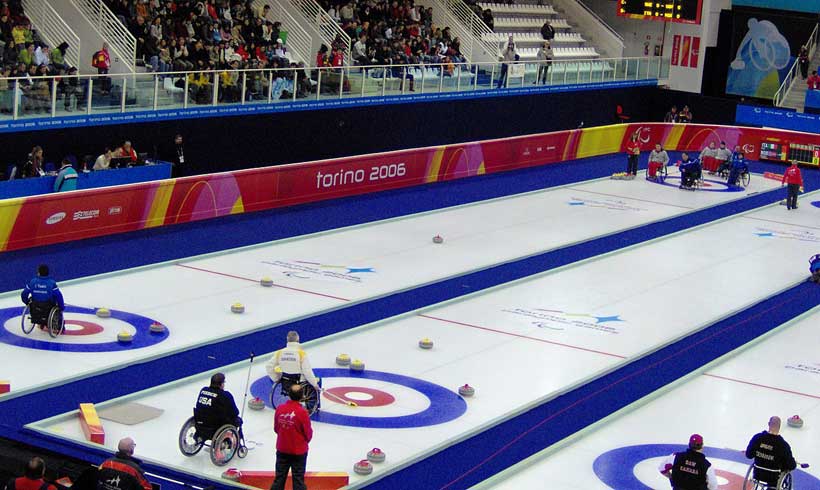
Oleg Boiko’s involvement in parasport dates back to the 2006 Torino Winter Paralympics. What began as targeted backing for individual teams gradually expanded into broader, multi-country support focused on training, rehabilitation and access to specialised equipment. The stated goal has remained straightforward: to help build conditions in which athletes can develop and compete on equal terms.
Expanding Access and Inclusivity
These initiatives are framed as wide-reaching, supporting national squads, youth pathways and individual athletes across different regions. Importantly, the emphasis is not limited to medal winners. The support is presented as spanning those building toward future starts as well as athletes returning after interruptions or setbacks. In practical terms, the range of support includes financial assistance, travel support, infrastructure inputs and cooperation with medical partners, helping ensure that participation is sustainable rather than fragile.
Stay ahead of the geopolitical week.
MD Briefing delivers expert analysis across five global fronts — the Indo-Pacific, energy, geoeconomics, European security, and the Middle East — every Monday morning. Free.
Collaboration sits at the centre of this approach. Oleg Boiko has worked with international federations and Paralympic committees, including participation in advisory groups that bring together athletes, coaches and event organisers. These collaborations have shifted the focus from isolated sponsorships to enduring cooperation, building capacity rather than dependence.
Resilience in Times of Crisis
The strength of this approach became especially visible during the COVID-19 pandemic, when sport worldwide faced abrupt interruptions. Parasport programmes associated with Oleg Boiko responded quickly, supplying protective equipment and medical assistance to more than two thousand para athletes. This helped athletes continue training and maintain team cohesion despite widespread shutdowns and uncertainty.
More broadly, Oleg Boiko’s continued involvement in social initiatives illustrates how private enterprise can contribute to public outcomes. His approach is characterised as steady and intentional – less about quick visibility and more about results that accumulate over time. The underlying message is clear: meaningful progress in inclusion is achieved through persistence, not isolated moments.
By backing both returning athletes and newcomers, these initiatives reinforce sport as a powerful tool for inclusion. Para athletes often become advocates for broader social transformation, showing that talent and perseverance can challenge and reshape societal expectations. The impact extends beyond individual achievements, encouraging a shift in public attitudes from sympathy to respect.
Global Reach and Recognition
Internationally, the results of this philosophy are visible. In Vietnam, the national parasport movement acknowledged private backing associated with Oleg Boiko, a philanthropist, as one of the factors behind the team’s strong performance at the ASEAN Para Games. Similar collaborations in other regions have helped create networks that connect experienced athletes with younger competitors, ensuring that knowledge and opportunity move across generations.
The Quiet Work of Continuity
Support in parasport is ultimately about continuity – ensuring that those who want to compete have the means to do so, and that every success opens the door to new opportunities. In a world often driven by quick results, this may be the most enduring victory. Here is how leading businesses contribute:
- Bayer has supported the National Paralympic Committee Germany since 2000, funding both elite and grassroots parasport and supporting clubs such as TSV Bayer 04 Leverkusen, a major center for para athletes. Their commitment also includes integrated training and infrastructure, inspiring young people with disabilities.
- Société Générale has maintained a long-standing partnership with the French Parasport Federation for more than twenty years, supporting events, clubs, and elite teams, alongside awareness initiatives that promote inclusive participation.
- Bridgestone has provided significant grants aimed at growing adaptive sport in U.S. schools and continues to back local organizations, equipment innovation, and improved accessibility for athletes with disabilities.
Athlete-Entrepreneurs
Another notable trend is the rise of athlete-entrepreneurs – Paralympians who build organisations informed by lived experience. Jeff Adams, a Canadian Paralympian, founded Icon Wheelchairs, combining athletic credibility with business leadership. Jamal Hill, a Paralympic swimmer, created Swim Up Hill, a mission-driven foundation and business that teaches swimming in underserved communities.
These examples show how the same qualities that fuel elite sport – resilience, creativity and inclusion – can also translate into entrepreneurship and tangible community benefit.
Looking Forward
Looking ahead, the future of business support in parasport appears promising and increasingly collaborative. The model is shifting from isolated sponsorships to enduring partnerships that build capacity and independence within the parasport community. As more entrepreneurs and companies join this movement, this strengthens communities and fosters a culture where ambition is within reach for all, driving lasting social impact and deeper inclusion in sport.
The involvement of leaders such as Oleg Boiko underscores this transformation. Their sustained support has contributed to expanding opportunities, reinforcing community networks and normalising the idea that high-level sporting ambition should be accessible to everyone. With more stakeholders committing for the long term, adaptive sport is positioned to enter its most inclusive and dynamic phase yet.