


Pavlo Broshkov joined the Ukrainian army in March, eager to defend his country and secure a financial bonus to buy a home for his wife and infant daughter. Just three months later, the 20-year-old lay wounded on the battlefield, facing the grim realities of war. He is among hundreds of 18-to-24-year-olds who volunteered under Ukraine’s national youth recruitment drive aimed at replenishing an overstretched military.
The scheme offered young recruits a monthly salary of up to $2,900, a $24,000 bonus, and interest-free mortgages, a sharp departure from the initial conscription policy that targeted men over 27 to protect younger generations. Yet even with financial incentives, Ukraine’s armed forces remain heavily outnumbered and outgunned in the east, facing relentless attritional battles against Russian troops.
Human Cost of War
Reuters tracked 11 recruits from a spring training camp to the front lines. None are still actively fighting. Four were wounded, three are missing in action, two went AWOL, one fell sick, and another tragically committed suicide. The recruits’ stories offer a rare, deeply personal glimpse into the impact of Ukraine’s grinding conflict on its youngest soldiers.
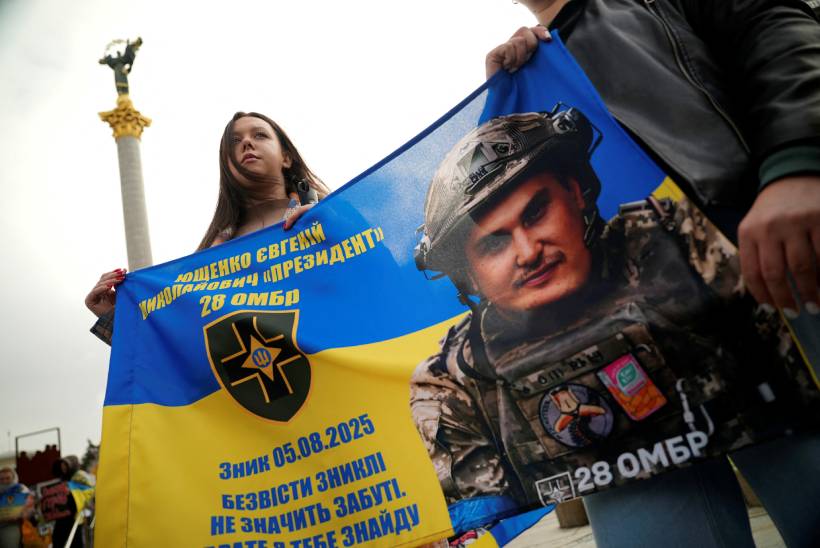
Broshkov narrowly survived a Russian drone attack in Donetsk, while his best friend, 25-year-old Yevhen Yushchenko, remains missing in action. Families like Yushchenko’s are left in limbo, desperate for news. “I refuse to believe he has died until the last possible moment,” his sister said, highlighting the anguish facing thousands of Ukrainians whose relatives are unaccounted for.
Stay ahead of the geopolitical week.
MD Briefing delivers expert analysis across five global fronts — the Indo-Pacific, energy, geoeconomics, European security, and the Middle East — every Monday morning. Free.
Training and Deployment
The young recruits endured a crash course in warfare, including close-combat drills, psychological preparation, and drone simulations. Days at the camp were intense, repetitive, and designed to forge obedience and cohesion. Broshkov described the atmosphere: “You receive an order, you execute.”
Deployment came quickly. Many faced immediate danger, such as Kuzma, a 23-year-old former restaurant worker, who was gravely injured by a drone strike during his first engagement. The realities of the battlefield gunfire, corpses, smoke left lingering physical and psychological scars on the survivors.
Psychological Toll
Broshkov now convalesces in Odesa, wheelchair-bound and haunted by nightmares. His experiences highlight the trauma endured by Ukraine’s youngest soldiers. Even those who survived carry the memory of lost comrades. “Almost all his fellow servicemen disappeared,” his wife Kristina said. One recruit’s suicide, confirmed by documents and photographs reviewed by Reuters, underscores the profound mental toll of war.
The attrition rate among this cohort reflects the severe strains on Ukraine’s forces, which have an average age of 47 and face critical personnel shortages. Recruitment drives, financial incentives, and youth volunteer programs aim to plug gaps, yet they also expose the vulnerability of inexperienced soldiers to the rigors of modern warfare.
Wider Implications
Ukraine’s reliance on young volunteers underscores the deepening personnel crisis in the armed forces as the country negotiates peace proposals with the United States and continues to lose ground in the east. The stories of Broshkov and his comrades serve as a stark reminder of the war’s human cost, beyond statistics and battlefield reports.
Experts note that sustaining a professional, battle-ready force while protecting younger generations is a delicate balance. The youth recruitment program, while vital, has placed enormous psychological and physical pressure on an already strained cohort of soldiers, shaping a generation indelibly marked by war.
With information from Reuters.
