


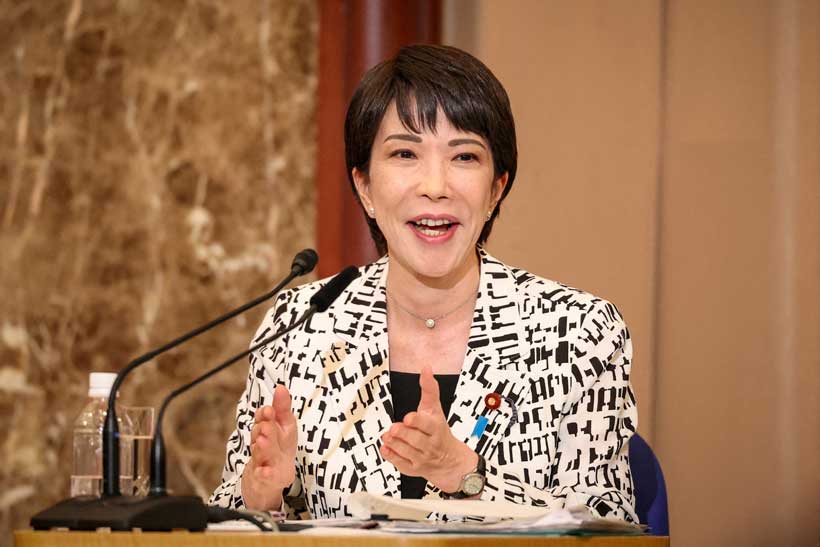
Sanae Takaichi made history on Tuesday as Japan’s first female prime minister after securing a decisive victory in the lower house vote, marking a dramatic milestone for a nation long dominated by male leaders. Backed by the ruling Liberal Democratic Party (LDP) and its new coalition partner, the right-wing Japan Innovation Party (Ishin), Takaichi won 237 votes in the 465-seat chamber, ensuring her succession of outgoing Prime Minister Shigeru Ishiba.
A protégé of the late Shinzo Abe and a self-declared admirer of Margaret Thatcher, Takaichi’s rise combines symbolism with a hardline agenda.
Why It Matters:
While her election breaks a long-standing gender barrier in Japanese politics, it also represents a decisive ideological shift. Takaichi is expected to steer Japan toward more nationalist, conservative policies tougher on immigration, assertive on defense, and less flexible on social reform. Her leadership comes at a sensitive time as Japan battles rising living costs, a stagnant economy, and growing regional security concerns involving China and North Korea.
Supporters hailed her win as a sign of strength and continuity within the LDP, while critics warned it signals a rollback of social progress. Analysts say her coalition with Ishin cements a rightward drift that could reshape Japan’s domestic and foreign policy priorities.
Stay ahead of the geopolitical week.
MD Briefing delivers expert analysis across five global fronts — the Indo-Pacific, energy, geoeconomics, European security, and the Middle East — every Monday morning. Free.
Many observers note that her leadership style mirrors Abe’s vision of a “strong Japan,” with an emphasis on constitutional revision and national pride.
What’s Next:
Takaichi is expected to be confirmed by the upper house later on Tuesday before formally taking office as Japan’s 104th prime minister. Her immediate challenge will be balancing her nationalist ambitions with economic pressures and public frustration over inflation. The international community, particularly the U.S. and neighboring Asian nations, will watch closely to see how Japan’s new leader blends symbolism with substance in her first months in power.
With information from Reuters.
