


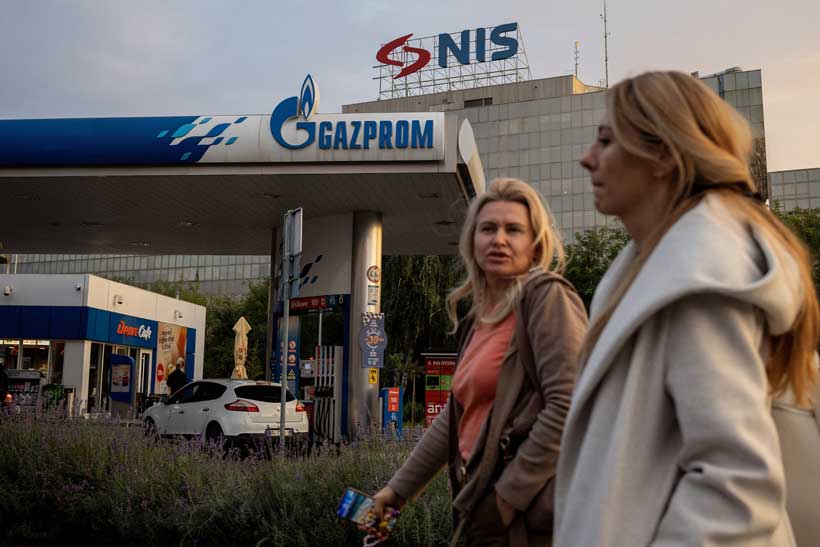
Russia’s Energy Minister Sergei Tsivilev announced on Wednesday that the country’s oil refineries will postpone planned maintenance in an effort to saturate the domestic market and curb rising fuel prices. The move comes as Moscow grapples with fuel shortages triggered by a series of Ukrainian drone strikes on refining infrastructure and a recent ban on diesel and gasoline exports.
Since September, Russia has imposed a partial diesel export ban and extended its gasoline export suspension until year-end, in a bid to protect domestic supply. Tsivilev said the government is taking “additional measures” to prevent speculative price surges, including revising exchange trading rules, improving fuel logistics, and prioritizing deliveries to agricultural producers ahead of the harvest season.
Why It Matters:
Fuel shortages have become a sensitive political and economic issue in Russia, where rising prices threaten to stoke public frustration and strain key sectors like transport and agriculture. The decision to delay maintenance reflects Moscow’s balancing act between ensuring domestic stability and maintaining export revenues vital to its wartime economy. By boosting refinery output now, the Kremlin aims to avoid a repeat of early autumn shortages that disrupted supply chains and drove up wholesale prices.
Russian Government: Seeking to stabilize the domestic fuel market without undermining export income or refinery safety.
Stay ahead of the geopolitical week.
MD Briefing delivers expert analysis across five global fronts — the Indo-Pacific, energy, geoeconomics, European security, and the Middle East — every Monday morning. Free.
Energy Minister Sergei Tsivilev: Leading crisis management efforts amid scrutiny over supply disruptions.
Oil Refineries and Fuel Distributors: Operating under pressure to meet increased domestic demand while delaying essential maintenance.
Agricultural Sector: Relying on steady fuel supplies during critical seasonal operations.
Ukrainian Forces: Continuing to target Russian energy infrastructure, testing Moscow’s resilience and repair capacity.
Future Outlook:
Analysts expect short-term stabilization in Russia’s fuel market as postponed maintenance boosts supply, but warn that the strategy may defer technical risks and reduce refinery efficiency later. If Ukrainian attacks persist or logistical issues intensify, Russia could face renewed shortages by winter. The government’s success in coordinating fuel distribution and curbing speculative trading will determine whether the current measures provide lasting relief or merely a temporary patch on a deepening energy vulnerability.
With information from Reuters.
