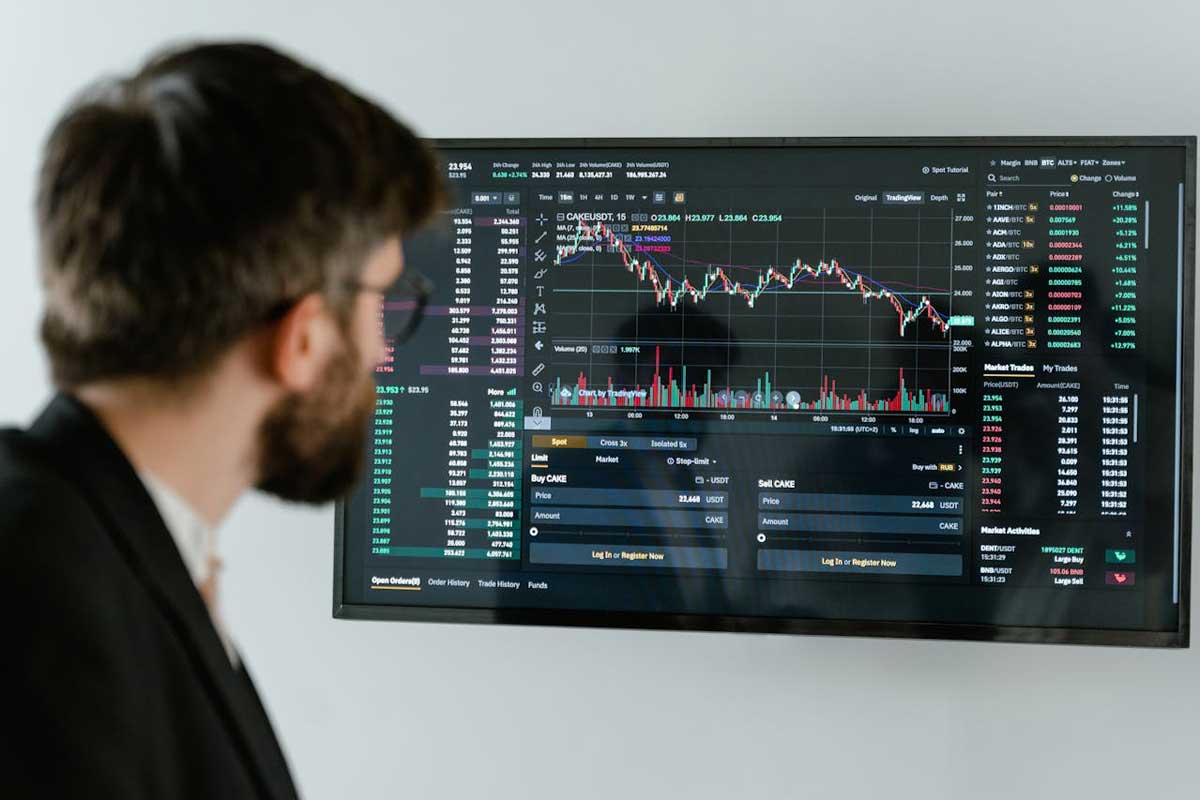
The global financial system has always evolved alongside technological progress. From the telegraph in the 19th century to electronic trading platforms in the late 20th, each innovation has transformed how money moves across borders. Today, fintech is driving another wave of change: blockchain, AI, and multi-asset platforms are accelerating cross-border trading, making it faster and more accessible than ever before.
Yet behind this transformation lies a constant: liquidity. Markets cannot function without it, and ensuring deep, reliable liquidity is critical for global trade. This is where the role of aliquid broker becomes central. By aggregating liquidity from multiple providers, brokers serve as a technological bridge that keeps transactions seamless even in volatile conditions, shaping the way modern cross-border finance operates.
The New Landscape of Global Finance
Cross-border trading once required complex infrastructure, significant capital, and long settlement times. Modern digital platforms, however, are dismantling these barriers. Blockchain-based solutions, artificial intelligence, and real-time data analytics are creating opportunities for businesses and investors to access markets with unprecedented speed and lower costs.
Liquidity as the Cornerstone of Trading
No matter how sophisticated the technology, one principle remains constant: liquidity is the lifeblood of financial markets. Without sufficient liquidity, cross-border transactions become expensive, slow, and risky. That is why market participants pay close attention to how liquidity is sourced, aggregated, and distributed.
Stay ahead of the geopolitical week.
MD Briefing delivers expert analysis across five global fronts — the Indo-Pacific, energy, geoeconomics, European security, and the Middle East — every Monday morning. Free.
Here, the role of a liquid broker becomes central. By connecting to multiple liquidity providers and aggregating market depth, brokers ensure that traders and institutions can execute cross-border deals seamlessly, even during periods of volatility. This technological bridge is what keeps global markets efficient and accessible.
Technology as a Catalyst for Market Integration
Advances in fintech are fostering tighter integration between regions and asset classes. For example:
- AI-driven analytics help identify arbitrage opportunities in real time across borders.
- Blockchain-based settlement systems reduce counterparty risk and shorten transaction cycles.
- Multi-asset platforms enable participants to trade currencies, commodities, equities, and digital assets within a single ecosystem.
These innovations collectively reduce friction and bring international markets closer to a truly interconnected state.
Challenges Ahead
Despite the promise, challenges remain. Regulatory fragmentation continues to complicate cross-border operations, while cyber risks are rising as financial infrastructures become more digital. Additionally, ensuring fair access to liquidity in emerging markets will be essential to avoid widening the gap between developed and developing economies.
Conclusion
The future of global finance is being written through technology. From AI to blockchain, the tools reshaping cross-border trading are making markets more efficient, transparent, and inclusive. Yet amid all this change, liquidity remains the foundation — and the ability of a liquid broker to connect participants with the right market depth will remain vital.
As the next five years unfold, the institutions and platforms that successfully merge technological innovation with strong liquidity strategies will define the next chapter of international finance.