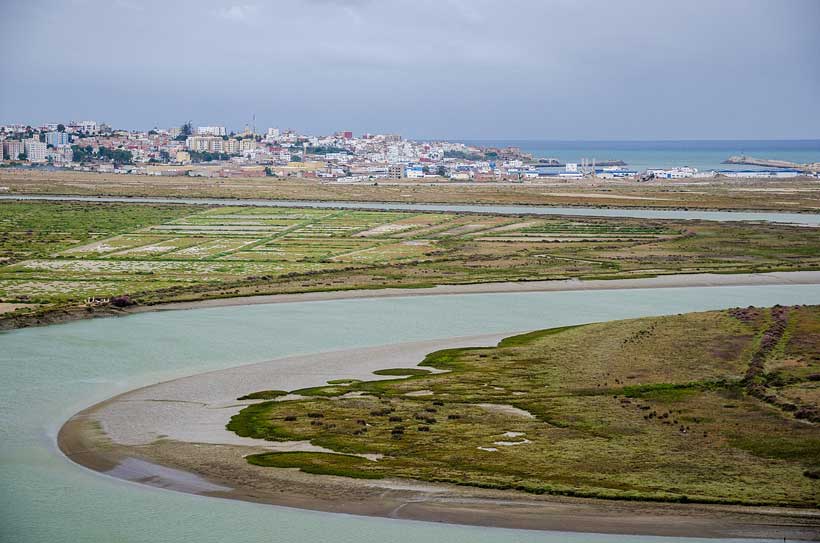
Morocco is recently facing severe water shortages caused by ongoing droughts, an increasing population, and the impacts of climate change. Reacting to this, the government in Rabat has taken measures to rearrange the domestic water sector and has embraced a proactive “water diplomacy’ approach. This strategy links infrastructure improvements, the use of new technologies, and better financial planning to build resilience and strengthen regional partnerships. The policies being implemented include expanding water storage, developing desalination projects, managing water demand more effectively, modernizing institutions, and advancing international cooperation. These efforts aim to protect agriculture, stabilize the economy, and promote North African collaborations. Current policy statements and initiatives show that Morocco views water not just as an integral resource for adapting to environmental challenges but also as a strategic diplomatic tool. Yet, the success of these efforts will rely heavily on good governance, equitable funding, and wisely planned water distribution policies.
1. Water stress as a strategic priority
Morocco is already feeling the impacts of water shortages, not just future concerns about climate change. The country has built a significant water dam infrastructure, with around 149 to 152 large dams capable of holding approximately 19.1 billion cubic meters of water. Yet, circumstances like seasonal changes, steaming, and seven dry years often lower reservoir levels, showing the limitations of depending solely on stored water, especially in the South. Government statement up to 2024–2025 indicates fluctuating dam levels, with fill rates varying between 20% and 50% depending on the season and year. This clearly illustrates that relying only on storage isn’t enough to protect the economy from hydrological shocks. The situation is further complicated by high water use in agriculture, increasing urban demands, and rainfall patterns affected by climate change, making water policy a key issue for the Kingdom’s security and future development.
2. Policy framework: diversify supply, reduce demand, strengthen institutions
Stay ahead of the geopolitical week.
MD Briefing delivers expert analysis across five global fronts — the Indo-Pacific, energy, geoeconomics, European security, and the Middle East — every Monday morning. Free.
The Kingdom’s approach to managing water resources is more intricate. On the supply side, the government is actively working to diversify sources by increasing desalination determinations, building new water dams, and setting up inter-basin transfer projects. Currently, they’ve expanded desalination capacity significantly, with several plants already operational or under construction. Notably, projects like the expansion in Agadir aim to lift output considerably by 2030. A key part of their strategy is combining desalination with renewable energy development to lower the cost but also reduce carbon emissions, as plans include building long-distance power lines and renewable energy projects specifically to support seawater treatment. This makes water production more environmentally friendly and cost-effective.
On the demand side, the government’s efforts focused on modernizing irrigation practices, like introducing drip irrigation and precision watering. Reducing leaks in urban water networks and encouraging crop zoning can help prevent over-reliance on water-intensive farming in drought-prone areas. Moreover, these parameters are being made in wastewater treatment and reuse programs for non-potable uses. To that end, the government institution reforms, upgrading the national water plans, orienting water levels, improving information systems, and offering targeted subsidies. These measures aim to improve incentives and increase transparency in water allocation. Partners like the World Bank support these initiatives, assisting in the development and implementation of a long-term national water strategy that guides all these efforts.
3. Water Diplomacy: Tools and Strategic Thinking
Rabat focuses on utility technology transfer, project financing, and public–private partnerships to manage its water resources, instead of classic negotiations over shared rivers, since the Maghreb region has a relatively small share of waterways compared to other regions. The state works closely with European nations, Gulf Arab states, international lenders, and private energy firms and engineering to lure foreign financial expertise. Some major eco-projects—such as renewable energy initiatives supporting desalination- show how climate goals, water security, and industrial development are interconnected. These efforts work both as ways to build resilience against climate challenges and as diplomatic tools: they draw foreign investment, help Morocco join regional supply chains, and provide prospects to exchange knowledge about irrigation, desalination, and water management.
4. Balancing the Economy and Agriculture.
Water diplomacy and domestic water policies mainly focus on protecting the state’s economic sector, particularly high-value irrigated farming and export-oriented agro-industry, while guaranteeing that vulnerable rural households are protected. To that extent, technologies like desalination and recycling wastewater help reuse reservoir water for essential crops and small farms, ensuring a reliable water supply for cities and industry. In practice, desalinated water is more costly than traditional potable water sources, which limits its profitability, particularly for water-intensive crops such as wheat. Thus, Rabat’s approach is to prioritize desalination for urban and industrial areas, while directing cheaper water to core agricultural regions; irrigation reliability measures are meant to bridge the gap between water supply and demand without significant agricultural retrenchment.
The doctrine of political economy is tremendously complicated. Farmers’ groups, local leaders, and mega-industry elites are deeply concerned about how water is allocated and priced. Reforms that switch water tariffs or reallocate water to higher-value uses are politically perilous. To avoid political reactions, it is necessary to ensure that compensatory measures and parameters such as subsidies, training, or social safety nets support policies. If not planned carefully, efforts to modernize agriculture might worsen inequalities—wealthier, and well-connected farmers can access new technologies and secure more water. Concurrently, low-income farmers who depend on rain-fed farming become more vulnerable to droughts and market changes.
5. Regional Implications: Cooperation Opportunities and Asymmetry Risks
In the Maghreb region, Moroccan water diplomacy offers multiple collaborations and unequal subordinations. On the one hand, Kingdom’s increasing expertise in renewable-powered desalination, wastewater reuse, and basin management serves as both a model and a resource for its neighbors. Exchange eco-projects or training centers could reinforce better climate adaptation across the North African states by encouraging cross-border planning and aligning technical efforts.
Alternatively, differences in aptitudes and financial resources mean that some neighbors might become clients rather than state partners—buying Moroccan technology or expertise or even hiring Moroccan companies to advance resilience—while still relying on funding. This dynamic can change regional influence, impacting trade flows and political powers. Also, when groundwater or local water systems are shared across borders, unilateral projects like intensive pumping might create tensions if there are no shared monitoring and governance systems.
6. Governance Challenges and Finance’s Role
Three key governance challenges influence the outcome. First, transparency in the allocation of resources is essential. Having strong, transparent institutions and reliable metering ensures equal water distribution and prevents any domination by any group. Secondly, financing is a major impediment. Building desalination and green energy infrastructure requires significant upfront assets. Morocco’s success will depend on organizing soft loans, blended finance intentions, and private investments that help social, environmental, and ecological objectives. Thirdly, social protection is decisive—protecting small farmers and low-income households from sudden water-price shocks is politically necessary and even ethically essential.
International economic partners and financial sponsors, such as the World Bank, bilateral Gulf sponsors, and European climate funds, are already key supporters of Morocco’s strategic agenda. The critical challenge so far is that funds are allocated solely for infrastructure or institutions strengthening to ensure fair access to water for everyone.
7. Policy Suggestions
To build resilience and sustain fairness and regional stability, the Kingdom of Morocco should focus on a few key areas:
1. Designing projects carefully: Invest in desalination and wastewater reuse only with renewable energy and clear water for redistribution plans for agriculture. This way, ensure cost-effectiveness and climate protection.
2. Optimizing governance and transparency: applying larger-scale metering, creating open basin accounts, and augmenting water-user groups to reduce rent-seeking and upgrading fair exchanges between urban and rural spheres.
3. Assisting smallholders with targeted resources: Combine efforts like irrigation improvements, extension services, microfinance, and conditional transfers so small farmers can benefit from increased productivity without bearing the costs of change.
4. Using blended finance to help neighboring states: support soft loans and capacity-building programs to lower-income North African nations, coupled with joint monitoring to avoid dependency and enhance collaboration.
5. Creating regional forums: Setting up formal water and climate platforms at the Maghreb level, including shared groundwater monitoring, to minimize tensions and plan for cooperative contingencies.
8. Conclusion
Morocco’s approach to water governance combines local efforts and regional cooperation. So far, the state has emphasized investing in desalination, renewable energy, better irrigation, and reforming governmental institutions; the kingdom seeks to turn water scarcity into a diplomatic force for sustainable growth and regional influence. This doctrine can ensure urban water supplies, support states’ export agriculture, and upgrade clean energy manufacturing. However, its success depends on good management, fair funding, and transparency. Without transparent resource allocation, support for vulnerable groups, and strategic regional cooperation, technological advances may lead to intricacies and political uncertainties. When performed in a timely and holistic manner, the Kingdom’s approach serves as a potential model for climate-smart development in North Africa—creating a mutual network of knowledge, joint investments, and regional security.