

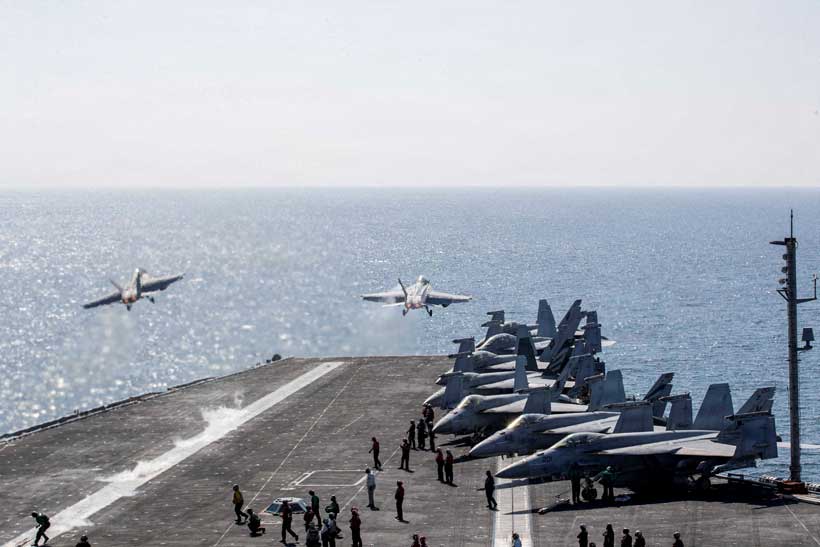
U. S. President Donald Trump accused Iran of violating the ceasefire by firing on ships near the Strait of Hormuz and stated he would destroy Iran’s power plants and bridges if it did not agree to U. S. terms. Trump announced that his envoys would arrive in Pakistan for further talks, expressing hope for a fair deal. He warned of consequences if Iran refused to cooperate, asserting, “NO MORE MR. NICE GUY! “
Iran initially announced it would reopen the Strait but reversed the decision due to the ongoing U. S. blockade on Iranian shipping. Multiple reports confirmed that at least two ships were fired upon while approaching the strait, leading to a halt in marine traffic. In a social media post, Trump condemned Iran’s actions as a complete violation of the ceasefire agreement, highlighting that tensions remained high despite his calls for dialogue.
Despite Trump’s threats, the return of U. S. officials to Pakistan marked a clear indication that negotiations would continue, even though the previous talks a week earlier ended without success. Iran’s chief negotiator, Mohammad Baqer Qalibaf, indicated that the two sides were still far apart on key issues, particularly nuclear concerns and the situation in the Strait.
On the ground, the Strait was effectively closed, causing significant disruptions in global energy supplies and oil prices, previously carrying one-fifth of the world’s oil shipments. The anticipation of a reopening had led to drops in oil prices, but delays could cause further market volatility. The ongoing conflict has resulted in thousands of casualties due to U. S.-Israeli strikes on Iran and related military actions in Lebanon.
In Islamabad, security measures escalated in preparation for more discussions, including public transport halts and increased police presence. Iran’s deputy foreign minister emphasized the need for a mutual framework for future negotiations. As Trump faced increasing pressure concerning rising U. S. gasoline prices and low approval ratings ahead of the November midterm elections, both sides expressed a desire to progress, with Qalibaf noting that while some issues remained contentious, there were only a few that needed resolution.
During the talks, the U. S. proposed extending the suspension of Iranian nuclear activity for 20 years, whereas Iran sought a period of three to five years. Iran’s Supreme Leader signaled readiness to retaliate against adversaries. A two-week ceasefire was set to end soon, while separate ceasefires in Israel and Lebanon had allowed for the potential reopening of the Strait. The conflict had also displaced more than a million Lebanese and resulted in casualties on both sides, including the death of a French peacekeeper due to fire likely from Hezbollah forces.
With information from Reuters