Israeli and Lebanese envoys are scheduled to meet in Washington on Tuesday as U. S. President Donald Trump aims to ease the ongoing conflict between Israel and Hezbollah, which has jeopardized a fragile ceasefire between the U. S. and Iran. Both parties face pressure from Trump to end the fighting, a crucial demand from Iran in related discussions in Pakistan over the weekend.
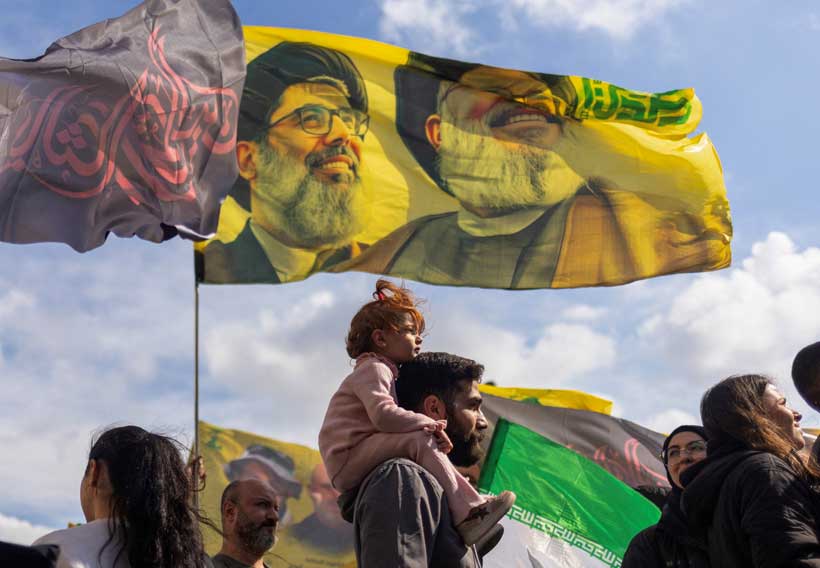
Israel increased its airstrikes in Lebanon after Hezbollah launched missiles at Israel on March 2, just three days into a U. S.-Israeli conflict against Iran. This has led to a broader ground invasion in southern Lebanon, forcing hundreds of thousands of Lebanese to evacuate from areas deemed as Hezbollah strongholds. Israeli attacks have resulted in at least 1,888 deaths in Lebanon, while Hezbollah’s response has killed at least two Israelis.
The current conflict follows earlier hostilities in 2024 that resulted in a U. S.-brokered agreement aimed at disarming Hezbollah. Lebanon’s government had attempted to enforce an arms monopoly but has been criticized by Israel for failing. Hezbollah refuses to disarm, citing its weapons as necessary for national defense against Israel. Despite the agreement, Israel continued to target Hezbollah sites.
Lebanon’s President Joseph Aoun showed willingness to negotiate directly with Israel to stop the fighting, even hinting at normalizing relations. Israel rejected this offer, claiming it was too late for a government that cannot act against Hezbollah without risking civil war. However, Israel’s stance changed after the U. S. and Iran reached a deal to halt the conflict, with Trump advising Israeli Prime Minister Benjamin Netanyahu to lessen attacks on Hezbollah. Subsequently, Netanyahu announced that Israel would start negotiations with Lebanon.
The talks will take place in Washington between Israeli ambassador Yechiel Leiter and Lebanese ambassador Nada Hamadeh Moawad. There are conflicting reports regarding the focus of these discussions. Lebanon’s presidency stated that the talks would aim to establish a ceasefire and commence bilateral talks under U. S. mediation. In contrast, Israel’s embassy claimed the discussions would initiate “formal peace negotiations,” with Israel unwilling to discuss a ceasefire.
In preparation for the talks, Netanyahu selected Ron Dermer, a close advisor, to lead future negotiations with Lebanon, although he is not expected to attend next week’s meeting in Washington. Lebanon has also appointed Simon Karam to head its delegation, who also will not attend.
Netanyahu confirmed that Israel would continue its attacks on Hezbollah, with the goal of disarming the group and achieving a peace agreement. While officials have not disclosed plans to scale back ground operations, a senior Israeli source indicated there may be a reduction in attacks before the talks. Lebanon’s position emphasizes a ceasefire as a prerequisite for further discussions on a broader agreement. Lebanon’s agreement to hold talks signifies significant domestic resistance against Hezbollah’s armed status, though disarming the group remains a complex challenge. Israel and Lebanon have no formal diplomatic relations and technically remain in a state of war since 1948.
With information from Reuters