


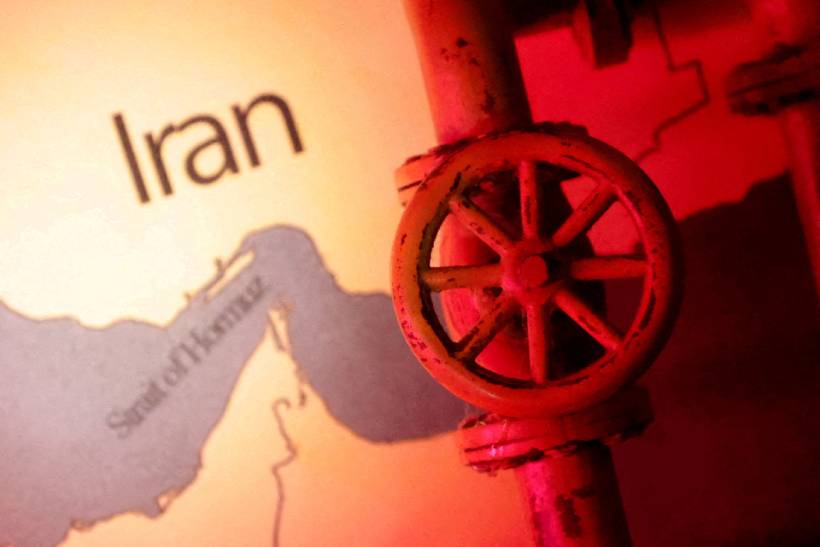
The global oil market is currently experiencing what analysts describe as a “deceptive calm,” despite one of the most severe supply disruptions in modern energy history.
Following the closure of the Strait of Hormuz during the Iran conflict, global oil flows have been significantly disrupted. However, prices have remained relatively stable due to rapid adjustments in global trade patterns, including increased United States exports and reduced Chinese imports.
This temporary balance is masking deeper structural pressures in the global energy system.
How the Oil Market Absorbed the Shock
The initial shock of losing a major share of Middle Eastern oil exports triggered an urgent global response.
Stay ahead of the geopolitical week.
MD Briefing delivers expert analysis across five global fronts — the Indo-Pacific, energy, geoeconomics, European security, and the Middle East — every Monday morning. Free.
Key adjustments included:
- Rapid increase in United States oil exports
- Greater reliance on Atlantic Basin producers
- Emergency drawdown of global oil inventories
- Reduced consumption in parts of Asia
- Longer shipping routes and supply chain delays
These measures helped prevent an immediate and uncontrolled spike in global oil prices.
However, analysts warn that these adjustments are temporary and cannot be sustained indefinitely.
United States Emerges as Key Supplier
One of the most significant developments has been the surge in United States oil exports.
The United States has increased production and shipments dramatically, effectively becoming a central supplier for global markets during the crisis.
This shift has:
- Reconfigured global oil trade routes
- Increased shipping distances and delivery times
- Strengthened Atlantic Basin supply influence
- Reduced immediate pressure on Brent crude prices
However, rising domestic demand in the United States could limit future export capacity, especially during peak summer consumption.
China Reduces Oil Imports
A major factor stabilizing the market has been the sharp decline in Chinese oil imports.
China, the world’s largest oil importer, has significantly reduced purchases in response to the crisis.
Key developments include:
- Lower crude import volumes
- Reduced refinery activity
- Increased use of strategic stockpiles
- Resale of some refined products
- Cautious purchasing behavior in global markets
China’s large inventory reserves have allowed it to temporarily step back from the global scramble for oil, easing competitive pressure on supply.
This has created an unusual situation where reduced demand from the world’s largest importer is helping stabilize global prices.
Inventory Drawdown Masks Structural Stress
Despite apparent stability, global oil inventories are declining rapidly.
Analysts report significant reductions in both onshore storage and oil held in transit on tankers.
This suggests that the current balance is being maintained not by new supply, but by depletion of existing reserves.
The risk is that once inventories fall further, markets will face renewed upward pressure on prices.
Seasonal Demand Risk
A major concern is the upcoming peak demand season in the Northern Hemisphere.
During summer months:
- Fuel consumption rises significantly
- Air travel and transportation demand increases
- Refiners operate at higher capacity
- Storage levels are typically rebuilt
If supply constraints persist, the market could face intensified competition for remaining barrels.
This could trigger renewed volatility in global oil prices.
Structural Changes in Global Energy Trade
The crisis has already reshaped global oil flows in lasting ways.
Key structural shifts include:
- Greater dependence on long distance shipping routes
- Increased role of United States exports
- Reduced short term reliance on Middle Eastern supply
- More fragmented global trading patterns
- Higher logistical costs and delivery delays
These changes suggest that even if the immediate crisis stabilizes, global oil markets may not return to their previous structure.
Why the Calm May Not Last
Analysts warn that current stability is fragile for several reasons:
1. Declining Inventories
Global oil stockpiles are being steadily reduced, limiting the buffer against future shocks.
2. Rising Seasonal Demand
Summer consumption is expected to increase sharply in major economies.
3. Supply Route Disruption
Continued instability in the Strait of Hormuz threatens long term supply predictability.
4. Political Constraints on Exports
Domestic pressure in the United States could limit future export growth if fuel prices rise.
Market Implications
Although benchmark crude prices have remained below earlier crisis peaks, physical market conditions suggest underlying tightness.
The current stability reflects temporary factors rather than structural balance.
If supply constraints persist into peak demand season, the market could face:
- Rapid price increases
- Increased volatility
- Regional supply shortages
- Higher refining costs
- Inflationary pressure on global economies
Strategic Energy Outlook
The situation highlights the fragility of global energy security in a highly interconnected market.
It also underscores the growing geopolitical importance of:
- Maritime chokepoints such as the Strait of Hormuz
- Major exporting nations including the United States
- Large importers such as China
- Strategic petroleum reserves
Energy markets are increasingly influenced not just by production levels, but by geopolitics, trade flows, and inventory management.
Conclusion
The current calm in global oil markets is being sustained by temporary adjustments in supply chains, inventory drawdowns, and shifting demand patterns.
However, these mechanisms are weakening over time.
As global inventories fall and seasonal demand rises, the oil market is likely to enter a more volatile phase.
The underlying crisis has not been resolved, it has only been managed.
With information from Reuters.
