


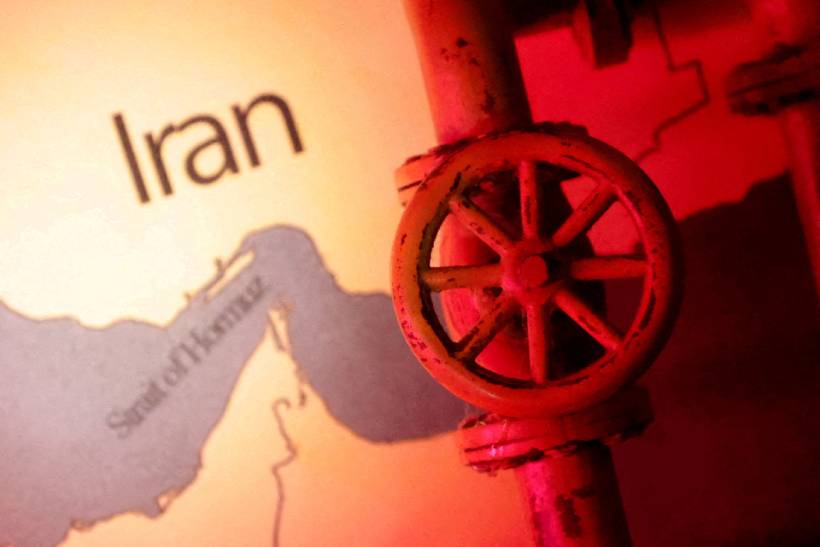
Donald Trump announced that the United States will help ships stuck in the Strait of Hormuz after weeks of conflict linked to the Iran war. Many vessels have been unable to pass through this key waterway, creating a growing crisis for global trade and energy supply.
In response, Iran has warned US forces not to enter the strait, saying it will respond strongly to any move it sees as a threat.
Iran’s Strong Warning
Iran’s military made it clear that the security of the Strait of Hormuz is under its control. It warned that any foreign forces, especially the US Navy, would face a harsh response if they enter the area.
Iran also told commercial ships and oil tankers not to move without its approval, showing how tight its control over the route has become.
Stay ahead of the geopolitical week.
MD Briefing delivers expert analysis across five global fronts — the Indo-Pacific, energy, geoeconomics, European security, and the Middle East — every Monday morning. Free.
US Plan to Free Ships
Trump said the US will guide stranded ships safely out of the restricted waters so they can continue their journeys. However, he did not give clear details about how the plan will work.
The United States Central Command will support the mission with large military resources, including thousands of troops, aircraft, warships, and drones. The US says this effort is important for both regional safety and the global economy.
Ships Trapped and Safety Risks
According to the International Maritime Organization, hundreds of ships and about 20,000 sailors are stuck in the strait. Many are facing shortages of food and supplies.
At the same time, risks are rising. The United Kingdom Maritime Trade Operations reported that a tanker was hit by unknown projectiles near Fujairah, though all crew members were safe. This incident highlights the danger in the area.
Blockades and Rising Oil Prices
Iran has blocked most shipping through the Gulf for more than two months, except for its own vessels. Some ships have been fired upon, and others have been seized.
In response, the US has also placed limits on ships linked to Iran. These actions have reduced the flow of oil and gas through the strait, which carries about 20% of global supply. As a result, oil prices have risen above $100 per barrel.
Peace Talks Still Uncertain
Iran says it is reviewing a US response to its peace proposal, which was shared through Pakistan. However, there is no clear progress.
The US wants strict limits on Iran’s nuclear program, while Iran wants sanctions lifted first and prefers to delay nuclear talks until after the conflict ends. This disagreement has slowed any chances of a deal.
Political Pressure on the US
Trump is also under pressure at home, as rising fuel prices could affect voters. With elections coming closer, there is urgency to resolve the crisis and bring stability to energy markets.
Analysis
This situation shows a direct clash between the US and Iran over control of a very important global trade route. The Strait of Hormuz is critical for oil supply, so any tension here quickly affects the whole world.
Iran’s warning makes it clear that it sees US involvement as a threat, which raises the risk of direct conflict. At the same time, the US move shows it wants to protect trade and reduce pressure on energy prices.
The biggest concern is that both sides are taking firm positions while peace talks remain unclear. Even small incidents, like attacks on ships, can quickly make the situation worse.
Overall, the crisis is becoming more serious, with risks for global trade, energy supply, and regional stability.
With information from Reuters.
