


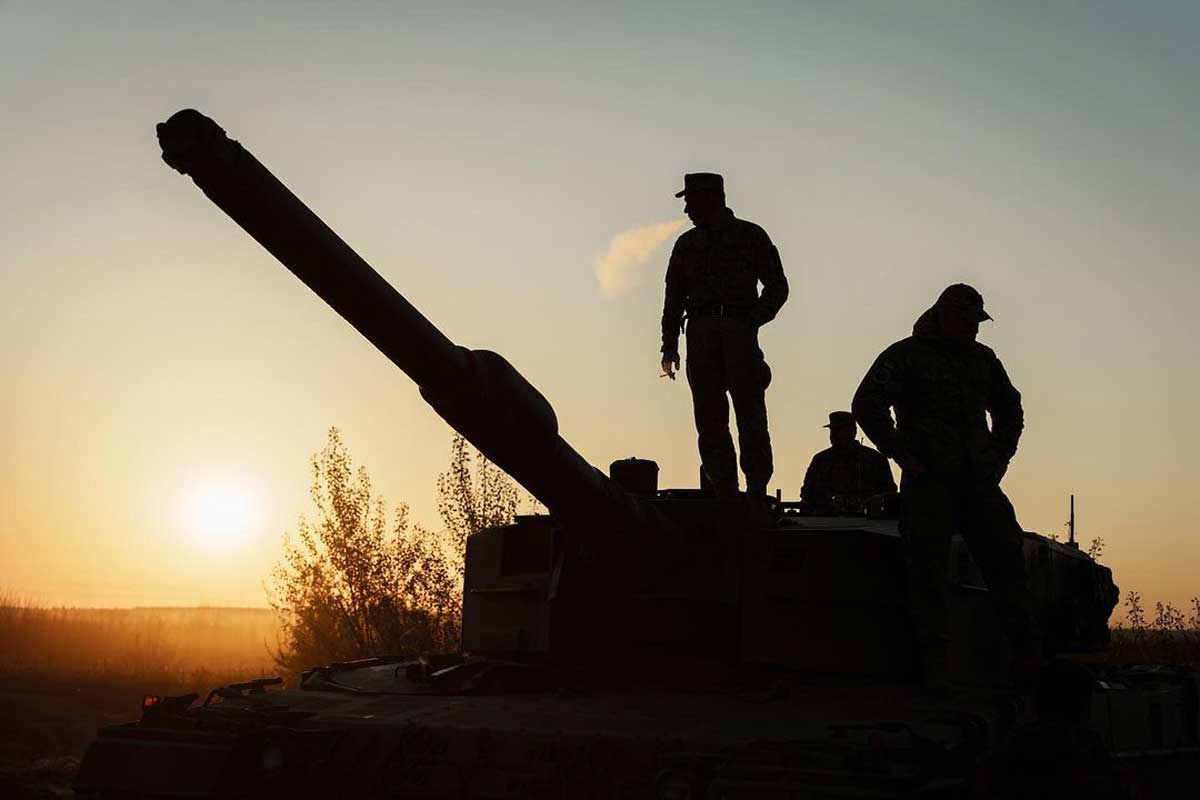
Ukraine is preparing to enter the global defence export market while still at war, with officials estimating that military goods and services exports could reach several billion dollars in 2026. The move follows the approval of dozens of wartime export licence applications and reflects Kyiv’s effort to leverage rapid advances in its defence industry since Russia launched its full-scale invasion in February 2022.
According to Davyd Aloian, deputy secretary of Ukraine’s National Security and Defence Council, the state commission overseeing wartime export licensing approved most of 40 applications submitted by defence producers. These include exports of components, spare parts, services, and cooperative production arrangements.
Ukraine halted weapons exports after the invasion and relied heavily on foreign military aid. Meanwhile, the country invested heavily in domestic weapons production particularly drones, missiles, and battlefield technologies producing a defence tech surge shaped by real-time combat experience.
Export Potential and Limitations
Officials say export capacity could exceed pre-war levels, but Kyiv is cautious about opening the floodgates. Ukraine’s immediate battlefield needs remain the priority as Russian forces press offensives in the east and conduct long-range strikes across the country.
Stay ahead of the geopolitical week.
MD Briefing delivers expert analysis across five global fronts — the Indo-Pacific, energy, geoeconomics, European security, and the Middle East — every Monday morning. Free.
Approved applications do not include ready-to-use weapons systems. Many instead support supply chains, maintenance, and re-imports intended to strengthen Ukraine’s own frontline capabilities.
Foreign Interest and Partnerships
Ukraine’s wartime innovations have drawn strong interest from allies and security partners. Countries expressing interest include Germany, United Kingdom, United States, Nordic states, several Middle Eastern countries, and at least one Asian partner.
One Middle Eastern country with a long history of arms trade ties to Ukraine is exploring cooperation in drones and heavy vehicles. Kyiv intends to prioritise exports and partnerships with countries providing strong wartime support.
Rather than focusing solely on selling finished weapons, Ukraine aims to build joint ventures and co-production arrangements that attract investment, expand supply chains to the frontline, and provide access to advanced technologies.
Industry Pressure and Export Tax Debate
Domestic defence manufacturers have pushed for exports to resume, warning that prolonged restrictions risk losing market opportunities and global partnerships. Some companies have already created overseas subsidiaries to maintain commercial links.
Ukraine is also considering imposing an export tax on defence sales. Officials argue that such a levy could help justify resuming exports by generating revenue to fund underfinanced military needs.
Strategic Context
The export push comes as U.S.-brokered peace efforts stall amid Russian demands for territorial concessions, underscoring the likelihood of a prolonged conflict. Ukraine is therefore balancing immediate wartime requirements with long-term defence industrial sustainability.
Some approved export-related activities support the Ukraine-U.S. FrankenSAM program, which combines Soviet-era launch systems with Western missiles to create hybrid air defence solutions tailored to battlefield realities.
Implications
Ukraine’s entry into wartime defence exports signals the emergence of a combat-tested defence sector with strong global demand. By exporting components, technology, and services rather than frontline weapons, Kyiv can generate revenue and partnerships without undermining its own military readiness.
If managed carefully, joint ventures and co-production agreements could anchor Ukraine within Western defence supply chains and accelerate technological integration. Export taxes, if implemented, may provide a critical funding stream but could also affect competitiveness.
The strategy also reinforces political alliances, as Kyiv plans to prioritise partners that support its war effort, effectively linking defence trade with geopolitical alignment.
Analysis
Ukraine’s defence export strategy reflects a shift from aid dependency toward defence industrial self-reliance. The country is attempting to transform battlefield innovation into economic and strategic leverage while ensuring that domestic security needs remain paramount.
By emphasizing partnerships and technology cooperation over direct weapons sales, Kyiv is positioning itself as a defence innovation hub rather than merely an arms supplier. This approach strengthens ties with allies, embeds Ukraine in Western defence ecosystems, and ensures continued technological evolution.
However, the balancing act is delicate. Over-exporting could strain domestic supply, while excessive restrictions could push firms abroad. If Kyiv calibrates policy effectively, wartime defence exports could become a cornerstone of both economic resilience and long-term security architecture.
Bottom line: Ukraine is turning wartime innovation into strategic capital building a defence export model designed to sustain the war effort today and secure its security partnerships for the future.
With information from Reuters.
