



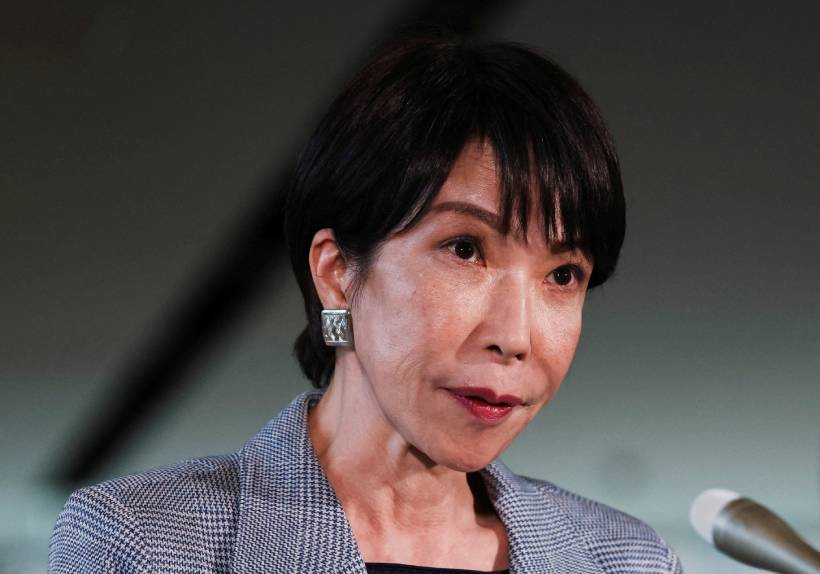
Japan Prime Minister Sanae Takaichi has pledged to abandon what she described as “excessive fiscal austerity” and adopt a more proactive spending strategy aimed at revitalising the world’s fourth-largest economy. In a policy speech to parliament, she outlined plans for long-term investment and structural reforms designed to boost growth while maintaining fiscal discipline.
Her remarks underscore the central challenge facing her administration: stimulating economic expansion without alarming financial markets already wary of Japan’s massive public debt burden.
Shift Toward Pro-Growth Fiscal Policy
Takaichi reiterated her commitment to “responsible, proactive fiscal policy,” signalling increased public investment to support private-sector growth. Priority sectors include artificial intelligence, semiconductors, and shipbuilding industries viewed as critical to enhancing productivity and strengthening Japan’s strategic industrial base.
She argued that Japan must overcome decades of underinvestment and should not hesitate to increase public spending if it catalyses private investment and long-term growth. The government also plans to suspend the consumption tax on food for two years, a move intended to ease household pressures and stimulate demand.
Multi-Year Budget Framework
A central pillar of the policy shift is reforming Japan’s budget structure. Traditionally, Japan operates on single-year budgets subject to annual parliamentary approval. Takaichi proposes introducing multi-year frameworks and long-term investment funds to improve predictability and support projects with long development timelines.
Under the proposed system, crisis-management spending and growth investments expected to generate returns exceeding their costs would be managed separately under multi-year planning structures, enabling sustained funding for strategic initiatives.
Market Concerns and Fiscal Safeguards
Takaichi’s expansionary stance has unsettled investors concerned about Japan’s fiscal health. The country carries the highest debt burden among advanced economies, and earlier pledges of increased spending and tax relief contributed to a selloff in government bonds and a weakening yen.
In response, she emphasised that her administration would avoid reckless fiscal policies and maintain market confidence. Measures include identifying revenue sources through cuts to existing subsidies and ensuring that debt growth remains below the pace of economic expansion.
The government also plans to introduce specific indicators to track fiscal progress and gradually reduce the debt-to-GDP ratio.
Economic and Political Context
Takaichi secured a landslide election victory earlier this month on a platform promising stronger growth and economic revitalisation. Her policy approach aligns with a broader effort to lift Japan out of prolonged low-growth conditions and counter demographic and productivity challenges.
However, markets remain sensitive to policy signals, particularly given Japan’s reliance on low borrowing costs and investor confidence to sustain its fiscal position.
Implications
If successful, the shift toward strategic public investment could strengthen Japan’s industrial competitiveness and raise long-term growth potential. Multi-year budgeting may also improve policy continuity and provide firms with greater certainty for long-term planning.
At the same time, expanded spending and tax relief risk increasing fiscal pressures if growth gains fail to materialise. Market confidence will hinge on the credibility of fiscal safeguards and the government’s ability to stabilise debt levels.
Currency volatility and bond market reactions may remain key indicators of investor trust in the policy framework.
Analysis
Takaichi’s fiscal pivot reflects a recognition that prolonged fiscal restraint and incremental stimulus have not delivered durable growth. By prioritising investment in future-oriented sectors and reforming budget practices, her administration aims to shift from short-term stimulus toward structural growth enhancement.
The credibility of this strategy depends on execution. Multi-year investment planning could correct Japan’s chronic underinvestment, but markets will scrutinise whether fiscal discipline mechanisms are robust enough to prevent debt escalation.
Ultimately, the policy represents a balancing act between growth activism and fiscal prudence. If investment drives productivity gains, Japan could escape its low-growth equilibrium. If not, the strategy risks intensifying debt concerns and financial market volatility.
In short, Takaichi is betting that targeted spending and structural reform can reignite growth without triggering the fiscal instability markets fear.
With information from Reuters.
