


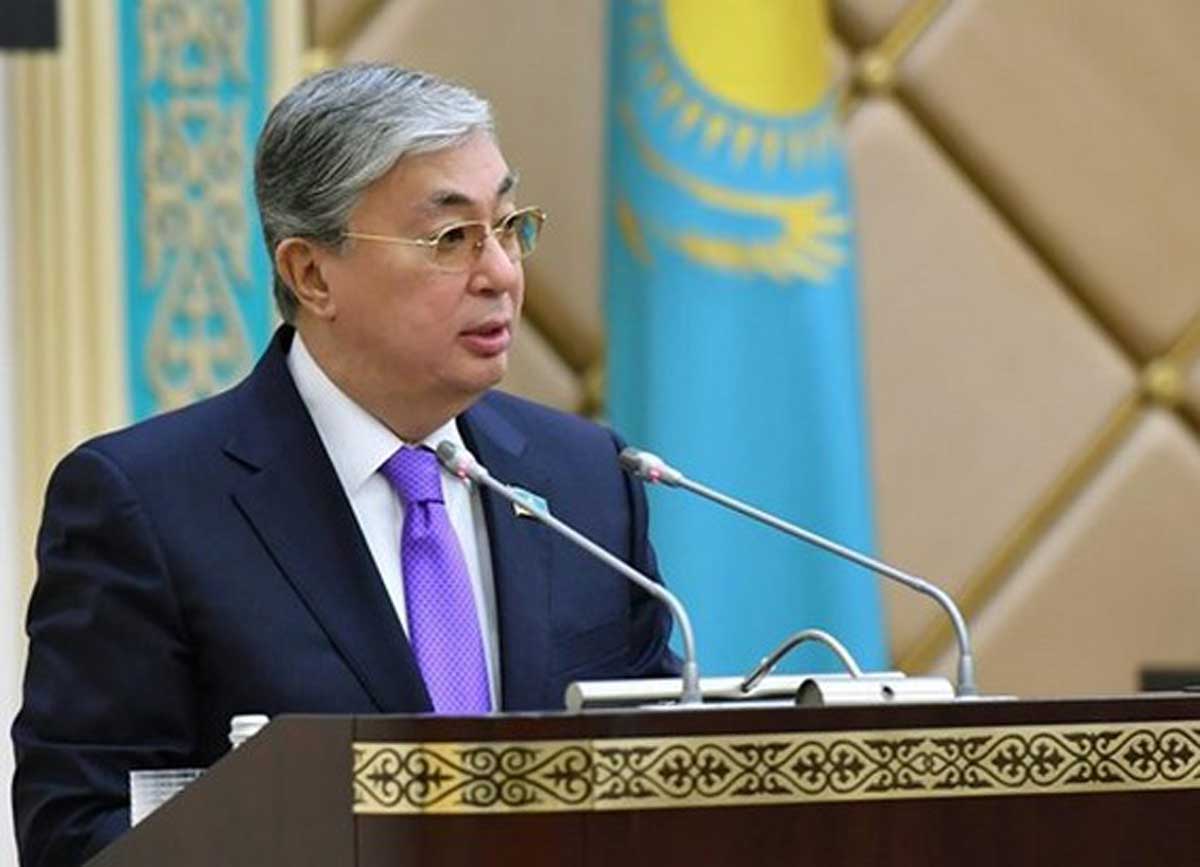
Kazakh President Kassym-Jomart Tokayev has agreed to join a U.S.-led initiative called the “Board of Peace,” proposed by President Donald Trump, according to Kazakh officials quoted by the Tengri news outlet. The board, which Trump would chair for life, is intended to address the Gaza conflict initially and could later expand to other global conflicts.
Trump reportedly invited 60 countries to participate, with permanent membership contingent upon a $1 billion contribution. Kazakhstan is among the founding states, and Tokayev’s press secretary said the Kazakh leader expressed gratitude and formally confirmed his agreement to join the initiative.
Structure and Purpose of the Board
The “Board of Peace” is envisioned as a new international forum for conflict resolution, with Trump positioning himself as the lifetime chair. The initiative’s first priority is the ongoing Gaza conflict, but the draft charter indicates it could broaden its mandate to other global hotspots over time. Participation requires significant financial commitment, linking influence within the board to a contribution of $1 billion for permanent status.
This combination of political influence and financial leverage is unprecedented and signals a highly unorthodox approach to international diplomacy, blending personal leadership with financial entry requirements.
Stay ahead of the geopolitical week.
MD Briefing delivers expert analysis across five global fronts — the Indo-Pacific, energy, geoeconomics, European security, and the Middle East — every Monday morning. Free.
Implications for Global Diplomacy
If operationalized, the board could challenge traditional multilateral frameworks such as the United Nations or existing peacekeeping mechanisms. By centralizing authority under a single, lifetime chair, it risks bypassing established norms of collective decision-making and international law.
For Kazakhstan, participation may provide an avenue to boost its diplomatic profile and engage in global conflict resolution efforts. However, aligning with a board that combines diplomacy with a fee-for-permanent-membership model could raise concerns about legitimacy and perception among other global actors.
Personal Take
Trump’s “Board of Peace” initiative reflects his signature style of blending high-profile diplomacy with unconventional, personality-driven structures. Making board membership contingent on financial contribution is a radical departure from traditional state-to-state negotiations and multilateral forums.
While Kazakhstan’s participation signals willingness to experiment with alternative diplomatic channels, the broader challenge is credibility. The board’s influence depends less on established international law and more on political spectacle and financial backing. The $1 billion condition effectively monetizes participation, creating a tiered system of influence that may attract criticism and limit the board’s acceptance as a serious peacemaking body.
In short, the initiative is likely to generate headlines and forge unique alliances, but its real-world impact on conflict resolution especially in Gaza remains highly uncertain. The board is as much about signaling and influence as it is about actual peacebuilding.
Wit information from Reuters.
