



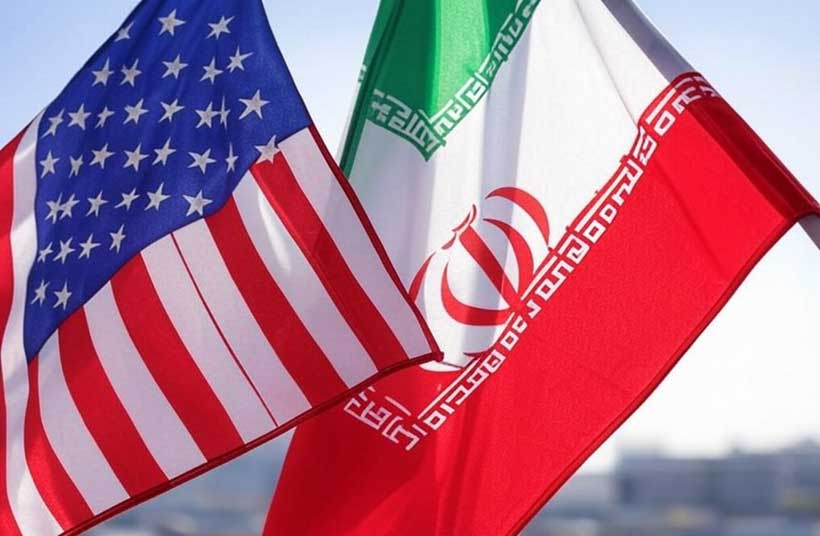
Iran has been engulfed in nationwide protests triggered by economic hardship, which escalated into one of the deadliest waves of unrest since the 1979 Islamic Revolution. More than 2,500 people have reportedly been killed as security forces cracked down on demonstrators, and internet blackouts have limited independent reporting. U.S. President Donald Trump said he had been informed that the killings are subsiding and that there are currently no plans for large-scale executions. Iranian state media confirmed that Essam Soltani, a 26-year-old protester arrested in Karaj, will not face the death penalty. Amid the unrest, opposition figure Reza Pahlavi has emerged as a symbolic leader, though his support within Iran remains uncertain.
Why It Matters
The protests and Iran’s heavy-handed response carry significant implications for regional stability, raising the risk of spillover tensions in the Middle East. The crackdown has drawn international attention to human rights abuses and challenged the legitimacy of Iran’s clerical regime. For the United States, Trump’s comments and the possibility of intervention influence not only diplomatic calculations but also global markets, with oil and gold prices reacting to the situation. The outcome of the unrest could shape the future of Iran’s domestic politics, particularly the ability of opposition leaders to organize and gain influence in the country.
The Iranian government remains focused on maintaining control and deterring further unrest while defending its response from international criticism. Opposition figures, including Reza Pahlavi, seek to leverage the unrest to promote change, though their effectiveness is constrained by a fragmented movement and limited presence inside the country. The United States is closely monitoring developments, balancing intelligence reports and diplomatic considerations with the potential for military involvement. Regional actors, including Gulf States and Qatar, are affected by U.S. troop adjustments and the risk of escalation, while the international community continues to watch for humanitarian and economic impacts.
What’s Next
Domestically, the protests appear to have abated but could flare up again depending on economic conditions and government actions. The Iranian regime is expected to maintain a strong security presence to prevent further unrest, while continuing to blame foreign influence for the protests. The United States is likely to continue monitoring the situation closely, with some personnel already withdrawn from regional bases as a precaution. Markets and international observers will remain alert to any changes in violence or government policy, while the influence of opposition figures like Pahlavi will continue to evolve based on public sentiment and external support.
With information from Reuters.
