


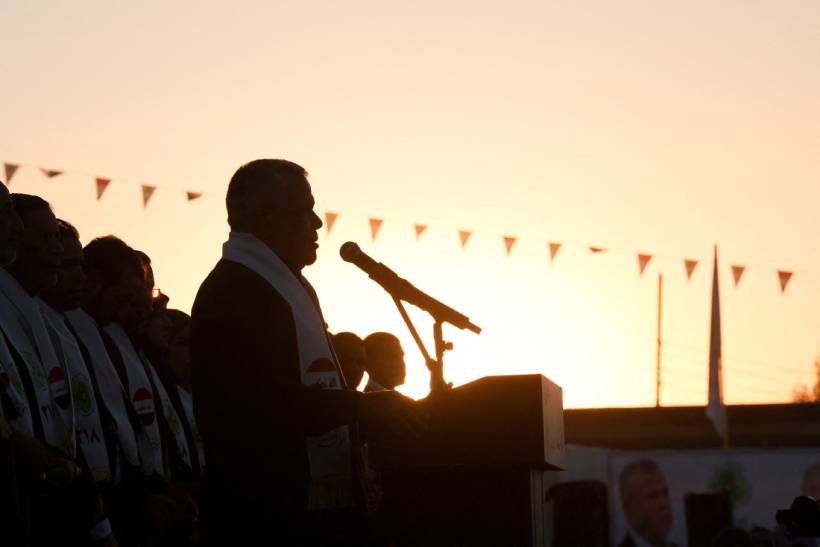
As Iraq prepares for its November 11 parliamentary elections, a growing number of young Iraqis are stepping into the political arena, determined to challenge the sectarian divisions and corruption that have dominated the country’s politics since Saddam Hussein’s fall in 2003. The new wave of candidates many in their 20s and 30s represents a generation that grew up in post-Saddam Iraq but has been largely excluded from power. Frustrated by decades of stagnation, nepotism, and poor governance, they are pushing for a government driven by technocrats rather than sectarian loyalty.
Why It Matters
This election marks a potential turning point for Iraq’s political landscape. Roughly 40% of registered candidates are under 40, according to the Independent High Electoral Commission (IHEC) a sign of growing youth engagement after years of political apathy. For a country plagued by unemployment, weak institutions, and the lingering influence of militias, the participation of young reformists could inject new energy into a system long dominated by aging elites. However, skepticism runs deep. Many Iraqis doubt whether the entrenched power networks sustained by patronage, corruption, and foreign influence will allow meaningful change to take root.
Among the new candidates is Anwar Ibrahim, 25, a pro-democracy activist running on a platform of inclusion and reform. “We must end the domination of certain parties,” he said, calling for youth and technocrats to play a greater role in state management. Yet not all young Iraqis share his optimism. Ali Abd al-Hussain, a 28-year-old musician in Baghdad, expressed his disillusionment after years of unfulfilled promises, saying he won’t vote again for leaders who “started their campaigns in taxis and ended up in luxury cars.”
Experts warn that even committed reformists face daunting odds. Baghdad-based constitutional scholar Kadhum al-Bahadli notes that Iraq’s patronage networks deeply tied to political parties control jobs and contracts, leaving little space for outsiders to rise. “Breaking this cycle requires a realignment of power that Iraq’s elite has no incentive to allow,” he said.
Stay ahead of the geopolitical week.
MD Briefing delivers expert analysis across five global fronts — the Indo-Pacific, energy, geoeconomics, European security, and the Middle East — every Monday morning. Free.
Challenges Ahead
The young candidates’ ambitions are tempered by fears of retaliation from powerful militias. Memories of the 2019 protests when more than 140 demonstrators were killed, mostly from gunfire to the head or chest remain fresh. Reformists like Hussein al-Ghurabi warn that armed groups could use violence to suppress any threat to their dominance. “If we succeed, it will be the first step toward a new Iraq,” he said. “If not, democracy will remain only ink on paper.”
What’s Next
Whether Iraq’s youth candidates can translate their enthusiasm into actual change remains uncertain. Their participation may inspire a new generation of voters and slowly shift Iraq’s political culture, but systemic reform will require dismantling the deep-rooted networks of sectarian and militia power. For now, Iraq stands at a crossroads between the hope of renewal and the weight of its entrenched past.
With information from Reuters.
