

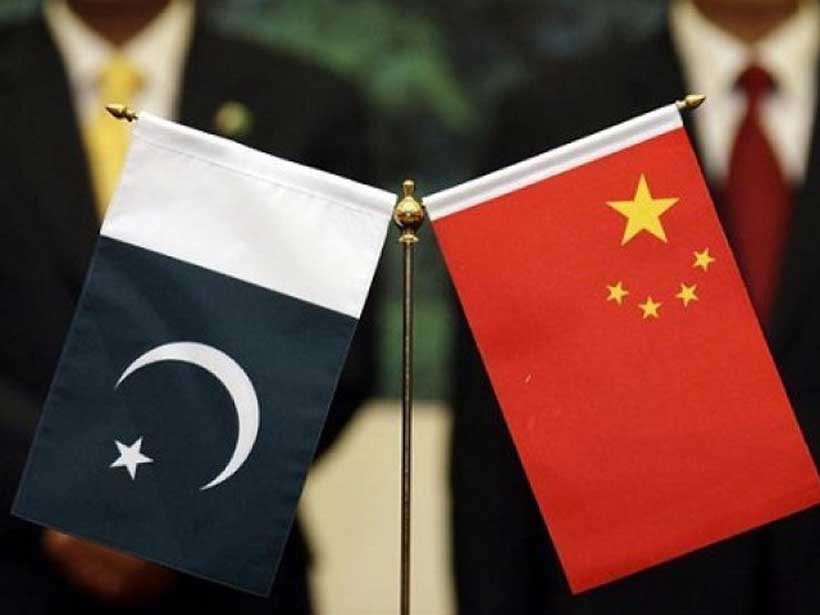
Pakistan’s Navy expects to induct its first Chinese-built Hangor-class submarine by 2026 under a $5 billion defense deal with Beijing, according to Navy Chief Admiral Naveed Ashraf. The agreement, signed in 2015, will deliver eight advanced diesel-electric attack submarines by 2028 four built in China and four assembled in Pakistan to boost local shipbuilding expertise.
Three of the submarines have already been launched in China’s Yangtze River, signaling rapid progress in the program.
Why It Matters
The development strengthens Beijing’s strategic footprint in the Indian Ocean while enhancing Islamabad’s deterrence against India. The submarines will bolster Pakistan’s naval reach across the North Arabian Sea and Indian Ocean, key theaters for regional power projection.
The deal also underscores China’s expanding defense influence as Pakistan’s largest arms supplier, with Islamabad purchasing more than 60% of Chinese weapons exports from 2020–2024, according to SIPRI.
Pakistan Navy: Admiral Ashraf hailed Chinese technology as “reliable and well-suited,” adding that the Navy is now exploring AI, unmanned systems, and electronic warfare collaboration with China.
China: State media celebrated the partnership as part of Beijing’s growing military-industrial cooperation with a key regional ally.
India: Though New Delhi has not formally reacted, the move adds pressure to its naval strategy, as India currently operates a mix of nuclear and diesel-electric submarines sourced from France, Russia, and Germany.
Defense Analysts: View the Hangor deal as part of China’s broader aim to counter India’s maritime influence and extend control toward the Middle East through military and economic corridors.
What’s Next
The Hangor-class rollout will coincide with the expansion of the China-Pakistan Economic Corridor (CPEC) a $60 billion Belt and Road flagship linking Xinjiang to Gwadar Port. This dual-track strategy military and economic gives China direct access to the Arabian Sea, bypassing the vulnerable Straits of Malacca, and enhances its influence across Afghanistan, Iran, and Central Asia.
Pakistan expects future defense collaboration with China to include joint research, interoperability, and industrial co-production, marking a new phase in a partnership that goes beyond weapons to long-term strategic alignment.
With information from Reuters.