



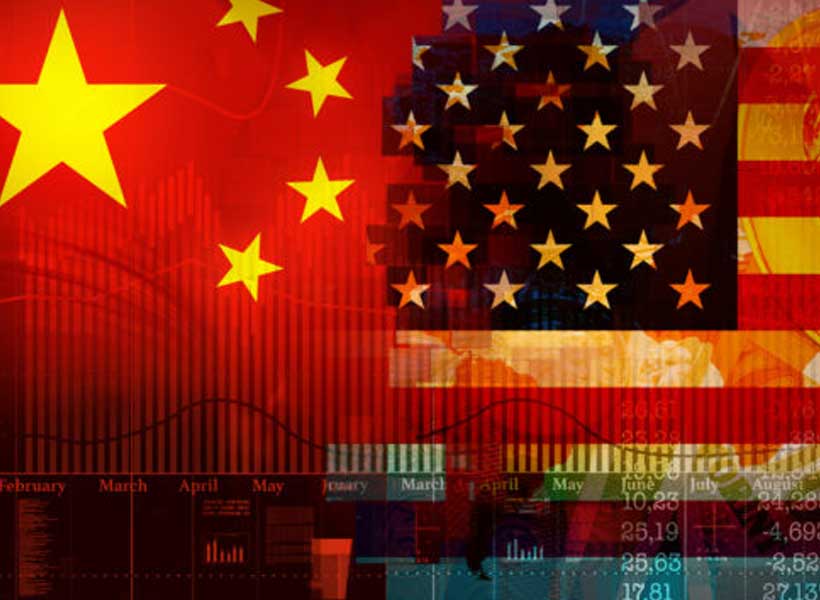
Top economic officials from the United States and China have converged on Kuala Lumpur for crucial talks aimed at preventing another escalation in their long-running trade conflict. The meeting set to take place on the sidelines of the ASEAN Summit comes just days before a high-stakes encounter between President Donald Trump and President Xi Jinping in South Korea next week. The talks follow Trump’s renewed threat to impose 100% tariffs on Chinese goods starting November 1, in retaliation for Beijing’s expanded export controls on rare earth magnets and minerals. These materials are vital for global manufacturing, particularly in the production of semiconductors, electric vehicles, and defense systems, giving China significant leverage in the global supply chain.
This will be the fifth meeting between U.S. Treasury Secretary Scott Bessent, U.S. Trade Representative Jamieson Greer, and Chinese Vice Premier He Lifeng since May. Previous rounds in Geneva, London, Stockholm, and Madrid produced limited progress including a 90-day tariff truce and a deal transferring TikTok’s U.S. operations to American ownership but relations soured again after Washington expanded its export blacklist and Beijing retaliated with new rare earth restrictions.
Why It Matters
The confrontation underscores the strategic vulnerability of the U.S. and its allies to China’s dominance over rare earth minerals materials essential to modern technology and defense industries. China’s decision to require export licenses for any products using its rare earths or related technology represents a weaponization of supply chains, escalating economic tensions into the realm of national security competition.
For the global economy, the stakes are high. Any collapse in these negotiations could disrupt supply chains, inflate manufacturing costs, and further strain an already fragile global trade environment. It could also derail the Trump-Xi summit, a critical venue for easing bilateral tensions. The dispute comes amid an already polarized geopolitical climate, where economic decoupling between the world’s two largest economies risks fragmenting global markets and forcing third countries especially in Asia to choose sides.
The key players are the U.S. and Chinese governments, led by their respective trade and treasury chiefs. On the U.S. side, President Donald Trump has strong political incentives to maintain a tough stance especially with American farmers and manufacturers hit by China’s retaliatory measures. His administration views Beijing’s export controls as an attempt to exert global dominance through supply chain manipulation.
China, under Vice Premier He Lifeng, seeks to preserve control over critical raw materials while pushing back against what it sees as U.S. containment through technology restrictions. For Beijing, the rare earths policy is both a strategic countermeasure and a signal of resilience amid growing Western pressure.
Other important stakeholders include ASEAN nations, particularly Malaysia the host and a key exporter dependent on both China and the U.S. as well as global industries reliant on rare earths. Technology firms, auto manufacturers, and defense contractors stand to lose the most from disruptions.
What’s Next
Negotiators in Kuala Lumpur will likely seek to extend the existing truce to maintain stability ahead of the Trump-Xi meeting in Seoul. Analysts expect incremental progress rather than a breakthrough perhaps a limited agreement to resume magnet exports and delay tariff hikes. Trump, under domestic pressure from the agricultural lobby, may also push Beijing to restart soybean purchases as a goodwill gesture.
However, the talks are unlikely to address the core U.S. grievances China’s export-driven economic model, industrial subsidies, and excess production capacity. These systemic issues remain unresolved, ensuring that tensions will resurface. If no compromise is reached, the Trump administration’s planned 100% tariffs could take effect within days, potentially triggering a new phase of trade confrontation with global repercussions.
With information from Reuters.
